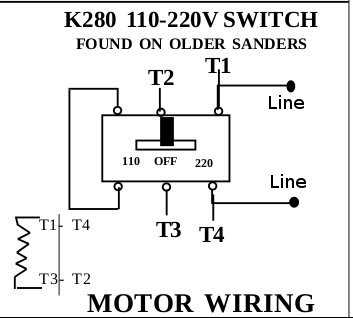
Always disconnect the main power source before handling circuits. Ensure protective gloves and insulated tools are used when accessing panels carrying alternating current above 200 volts.
Identify each conductor by color and gauge. Black or red typically carries the live feed, blue or white acts as neutral, and green or bare copper serves as ground. Wire gauges of 10–12 AWG handle high-load appliances safely.
Install circuit breakers or fuses at the power entry point. Breaker ratings should match connected loads: 20A for small machines, 30A for ovens or water heaters, and 50A for large motors.
Route conductors to avoid heat and moving components. Maintain a minimum clearance of 3 centimeters from hot surfaces, and secure lines with clamps to prevent abrasion against sharp edges.
Label all terminals and protective devices clearly. Use printed markers or color-coded sleeves to identify each branch circuit, which simplifies future troubleshooting and prevents misconnection.
Step-by-Step Guide to 220 Volt Electrical Layouts
Disconnect the main power before handling any circuits. Use insulated tools and gloves rated for high-voltage work, and verify absence of live current with a multimeter before touching conductors or terminals.
Mapping Power and Ground Lines
Label each live and neutral path clearly. Use color-coded sleeves: black or red for live, blue or white for neutral, and green or bare copper for ground. Maintain separation of at least 3 centimeters from heat sources and moving parts to prevent insulation damage.
Testing and Securing Connections
Install fuses or breakers according to load requirements. Test voltage at endpoints under load, tighten all terminal screws, and secure conductors with clamps or conduits to avoid strain or accidental disconnection during operation.
Locating Fuses and Relays for 220 Volt Circuits
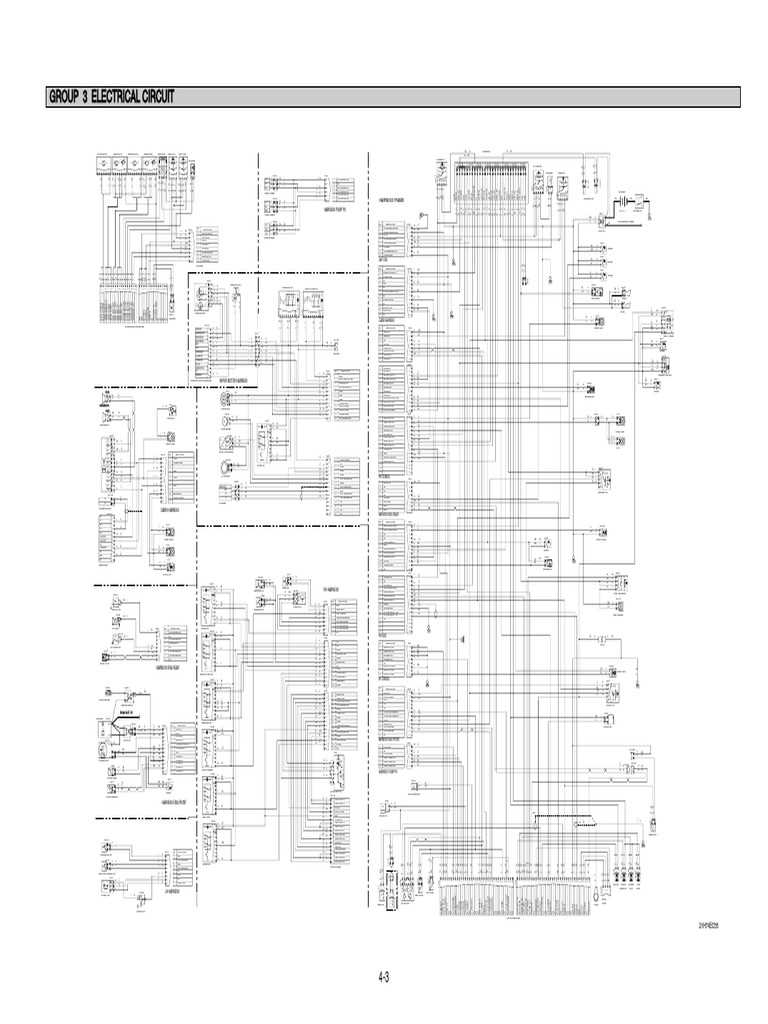
Check the main panel first. Each fuse and relay should be clearly labeled with amperage and corresponding load. Fuses controlling lighting or small appliances often range from 10A to 20A, while relays for motors or heaters may handle 30A to 50A.
Separate high-current relays from low-amperage fuses.
- Large relays mounted on metal brackets near the main power source
- Small fuses in interior panels for sensors and control circuits
- Keep all components easily accessible for inspection
This prevents accidental overheating and simplifies replacement.
Use a multimeter to test each protective device. Measure continuity across fuses and relay terminals to confirm they complete the circuit only when energized. This ensures accurate identification of inactive or blown devices.
Document each location visually.
- Sketch the fuse block layout
- Label relays by connected load
- Note amperage ratings on a reference sheet
Visual documentation reduces errors during troubleshooting or upgrades.
Inspect for physical wear. Look for signs of overheating, corrosion, or loose connections. Replace any components showing discoloration or melted plastic immediately to prevent failure.
Group circuits by function.
- Lighting and signaling
- Heating and cooling systems
- Motors and pumps
Grouping helps locate faults quickly and allows for more organized routing of conductors.
Maintain clear labeling after modifications. Use heat-shrink sleeves, printed markers, or color-coded tags for each fuse and relay. Consistent labeling ensures future maintenance can be performed safely and accurately.