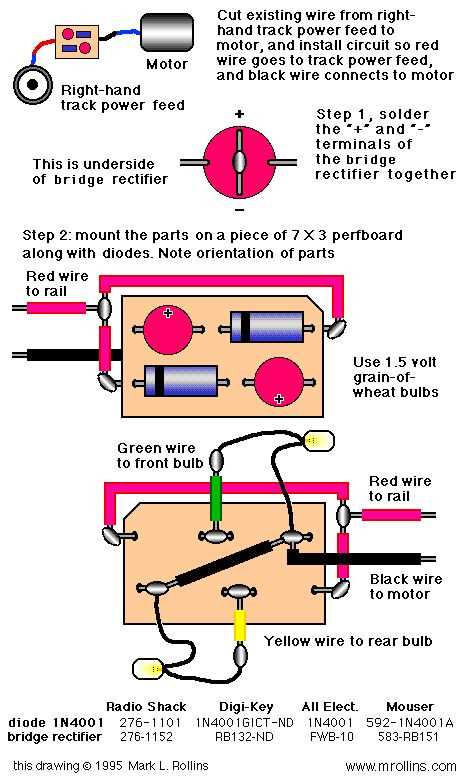
Run two separate live conductors from the wall switches to the rail power feed. This arrangement allows two independent groups of fixtures on the same metal rail. Each live conductor energizes a different internal bus bar inside the rail housing, while both groups share a common neutral and grounding line.
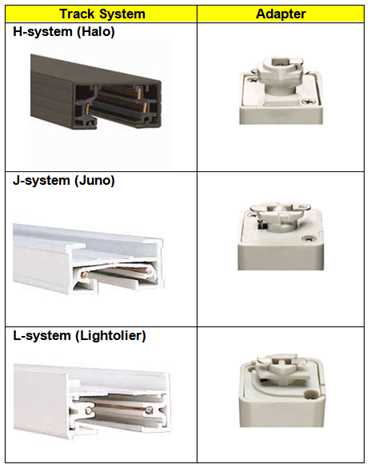
The rail typically contains four conductors: two phase lines, one neutral return, and one protective earth. Fixtures connect through adapters that select either phase A or phase B. By rotating or sliding a small selector inside the adapter, a lamp joins one of the two power lines, allowing control from separate wall switches without adding extra rails.
Place the power feed module near the center of the rail when possible. This reduces voltage drop along the aluminum channel, particularly in installations longer than 6–8 meters. Standard residential supply provides 120 V or 230 V depending on region, and most rail systems support loads up to about 10–16 amps across both phases combined.
Group luminaires by purpose before installation. Retail environments often place accent fixtures on the first phase and ambient luminaires on the second. Residential rooms may use one phase for general illumination and the other for spotlights over artwork or kitchen counters. Clear grouping allows independent control while using a single rail structure mounted on the ceiling.
2 Circuit Track Lighting Wiring Diagram With Dual Switch Control and Rail Connections
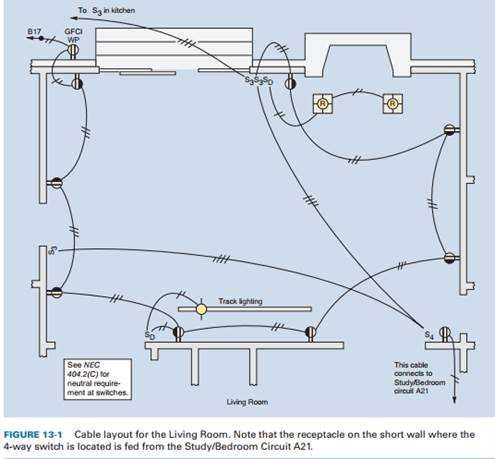
Connect two separate phase conductors from the wall control box to the rail feed module. Each phase line corresponds to a different internal bus inside the metal rail. This layout allows two groups of luminaires to operate independently while sharing the same neutral return and protective earth conductor.
The rail structure usually contains four metal conductors running along the aluminum channel. Two conductors carry phase lines, one carries the neutral path, and the final conductor provides grounding. Fixtures connect through adapters that slide into the rail and make contact with these conductors using spring-loaded metal tabs.
Place the supply feed at a central position when the rail length exceeds 5 meters. Power entering from one end only may produce brightness variation because resistance along the metal conductors causes a slight drop in electrical potential. Feeding the rail near the middle keeps distribution balanced across both directions.
Each luminaire adapter contains a small selector that determines which phase line it uses. Rotating the selector or repositioning a plastic tab switches the contact between phase A and phase B. After this selection, the fixture responds only to the wall switch connected to that phase line.
Standard residential installations operate from 120 V or 230 V depending on the electrical system of the building. Many rail systems support loads up to about 10–16 A total. Dividing luminaires between the two phase lines spreads the load and avoids overheating of connectors or feed modules.
Mount luminaires for different tasks on separate phase lines. Accent spotlights highlighting artwork can connect to the first phase line, while general room illumination uses the second. This arrangement allows independent switching while keeping the installation compact and visually clean along the ceiling.
Identifying Live Conductors Neutral Line and Ground in a Two Circuit Track Rail
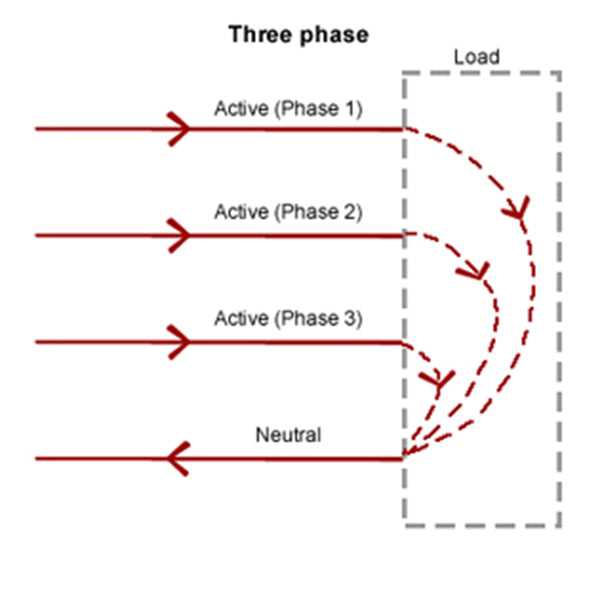
Use a multimeter or voltage tester to locate the two phase conductors before installing luminaires. The metal rail usually contains four internal conductors that run along the entire length. Two carry phase power from separate wall switches, one provides the neutral return, and one serves as protective earth. These conductors sit in isolated channels inside the rail housing and are contacted by spring tabs in fixture adapters.
Follow common conductor identification rules used in many electrical systems:
- Phase line A – connected to the first wall switch and one internal rail conductor
- Phase line B – connected to the second wall switch and a separate internal conductor
- Neutral return – shared path completing the electrical loop for both groups of luminaires
- Protective earth – connected to the metal rail body and fixture housings
In many installations the neutral conductor appears in the center of the rail while the two phase lines sit on opposite sides. The grounding conductor typically bonds to the aluminum housing. Confirm conductor identity before connecting the supply feed module, because swapping phase and neutral lines may create unsafe conditions or cause fixtures to remain energized while switches appear turned off.