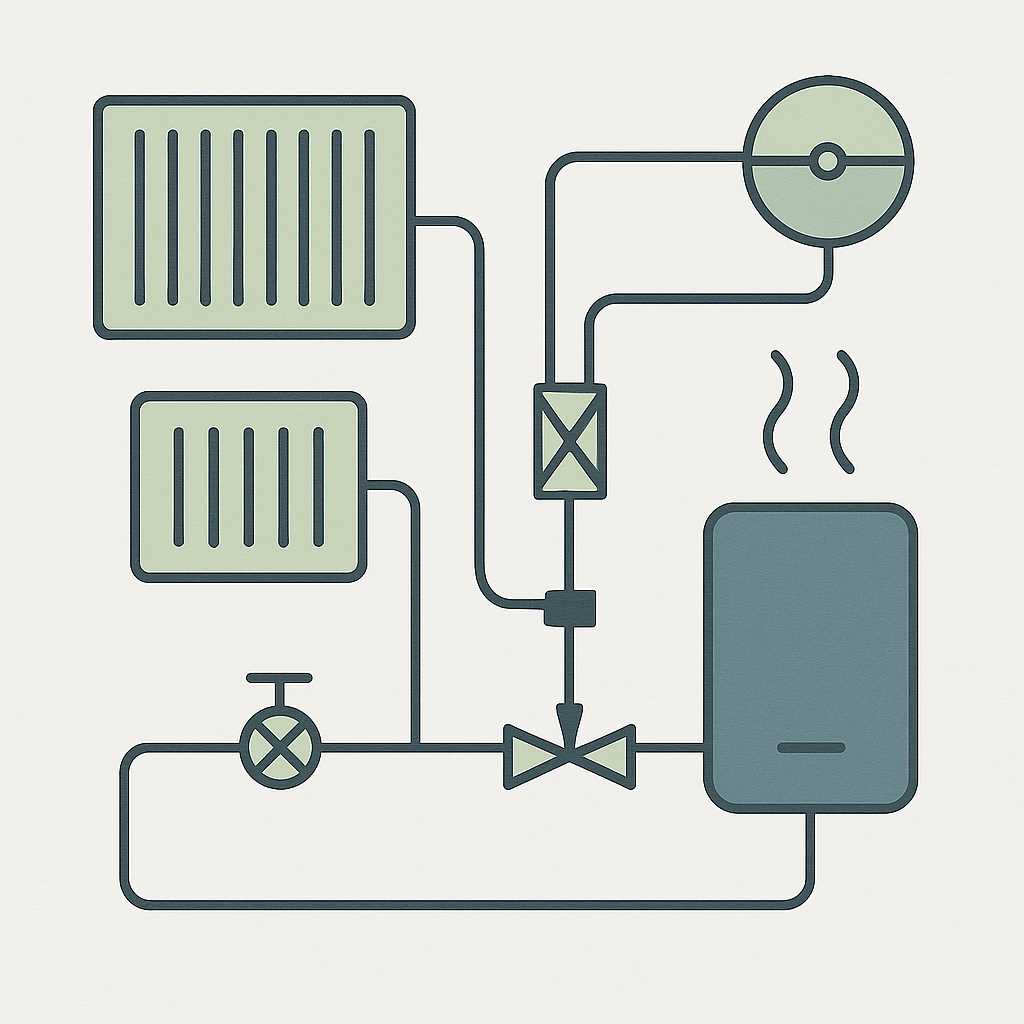
Connect the boiler outlet to the main supply pipe: use insulated fittings rated for 90°C and 10 bar pressure. Ensure the pipe slopes slightly toward the radiators to maintain natural circulation.
Label all supply and return lines: mark flow pipes with red tape and return pipes with blue. This prevents cross-connections and simplifies future maintenance or expansion of the system.
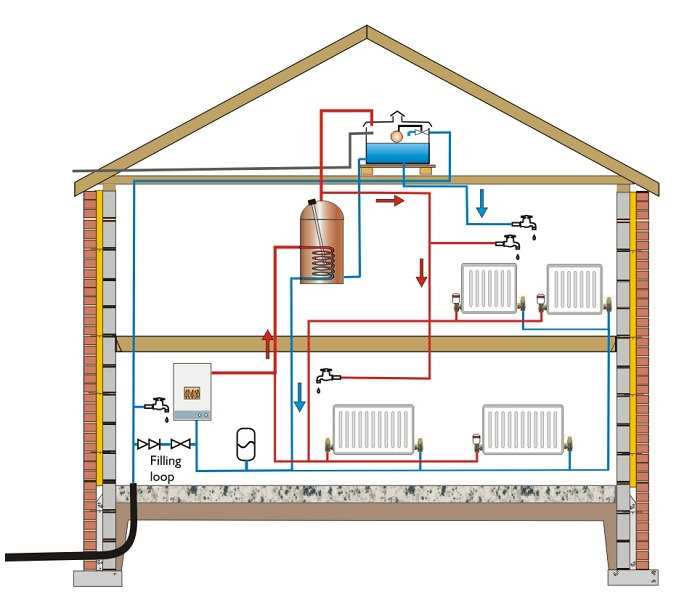
Install balancing valves on each radiator loop: tighten to achieve even heat distribution and avoid overloading the pump. A standard setting is 50% open initially, then adjust according to temperature readings.
Check all expansion and safety components: the pressure relief valve should be set to 3 bar, and the expansion tank pre-charged to 1.5 bar. Verify all connections for leaks before adding water and energizing the pump.
Flush the pipes before final operation: remove debris and air pockets to prevent corrosion and noise. Use a flow meter to confirm that each radiator receives the designed volume of water.
Boiler and Radiator Connection Layout
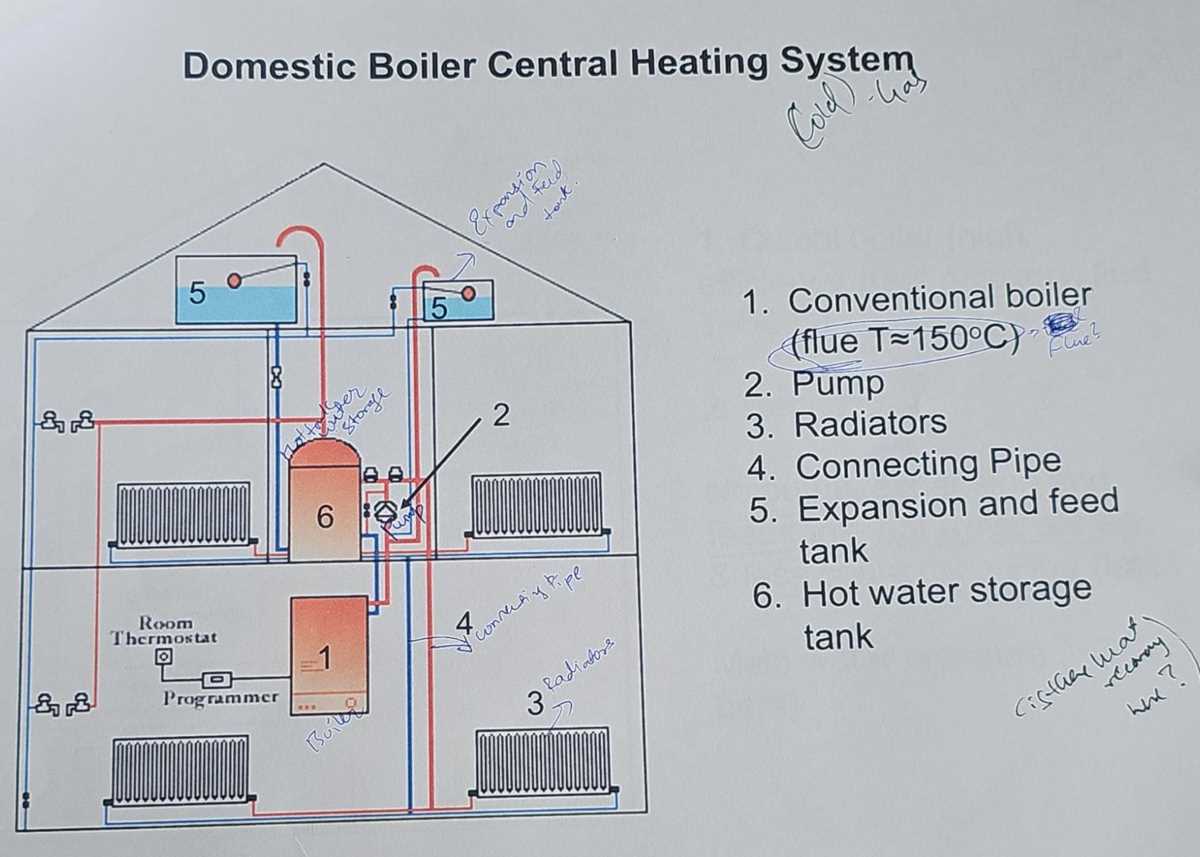
Start by linking the boiler outlet to the main supply line: use copper or PEX pipes rated for 90°C and secure with compression fittings. Ensure the main line slopes slightly toward the radiators for natural flow.
Identify all supply and return lines clearly: mark forward lines with red tape and return lines with blue. This avoids cross-connections and simplifies future maintenance or loop expansion.
Install balancing valves on each radiator loop: set initial positions to 50% open and adjust based on temperature readings at the farthest radiator. This maintains uniform heat distribution across the property.
Check expansion and safety components: the expansion tank should be pre-charged to 1.5 bar, and the pressure relief valve set to 3 bar. Inspect all joints for leaks before filling the system completely.
Flush the entire pipe network before full operation to remove debris and trapped air. Use a flow meter to ensure each loop receives its designed volume of water, reducing the risk of noise and corrosion over time.
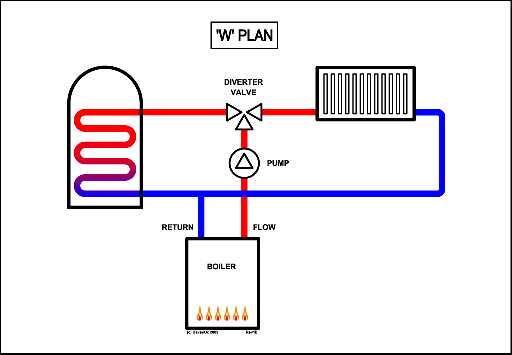
Sequence pump activation carefully: power the circulator briefly to verify that radiators fill evenly and no reverse flow occurs. Listen for unusual vibrations and check temperatures at each radiator to confirm proper distribution.
Mapping Boiler Connections to Radiators
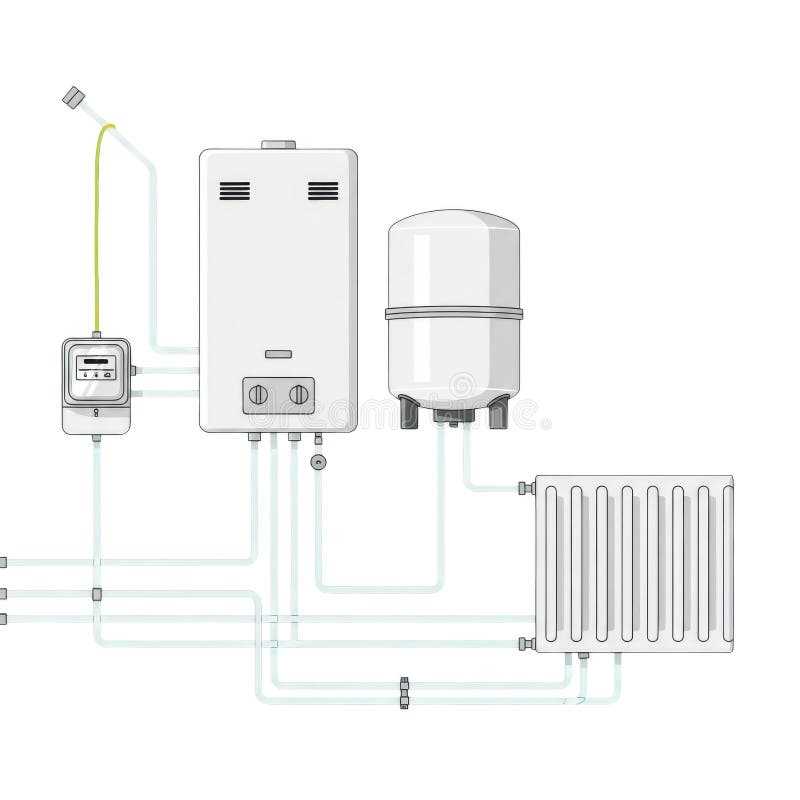
Connect the boiler supply outlet directly to the main distribution line: use rigid copper or PEX pipes with rated pressure of 10 bar and temperature tolerance of 90°C. Ensure a slight downward slope toward the farthest radiator to maintain natural flow.
Assign each radiator its own loop with balancing valves: this allows individual flow adjustment and prevents uneven temperature distribution. Start with valves at 50% open, then fine-tune based on temperature readings at each radiator.
Label supply and return pipes clearly with colored markers: red for forward lines and blue for returns. This avoids cross-connections, simplifies maintenance, and ensures safe operation when adding or removing radiators from the system.
Test the full network before full operation: fill with water, purge trapped air using bleed valves, and run the pump briefly. Measure flow rates and temperatures at each radiator to confirm uniform distribution and detect any blockages or leaks early.