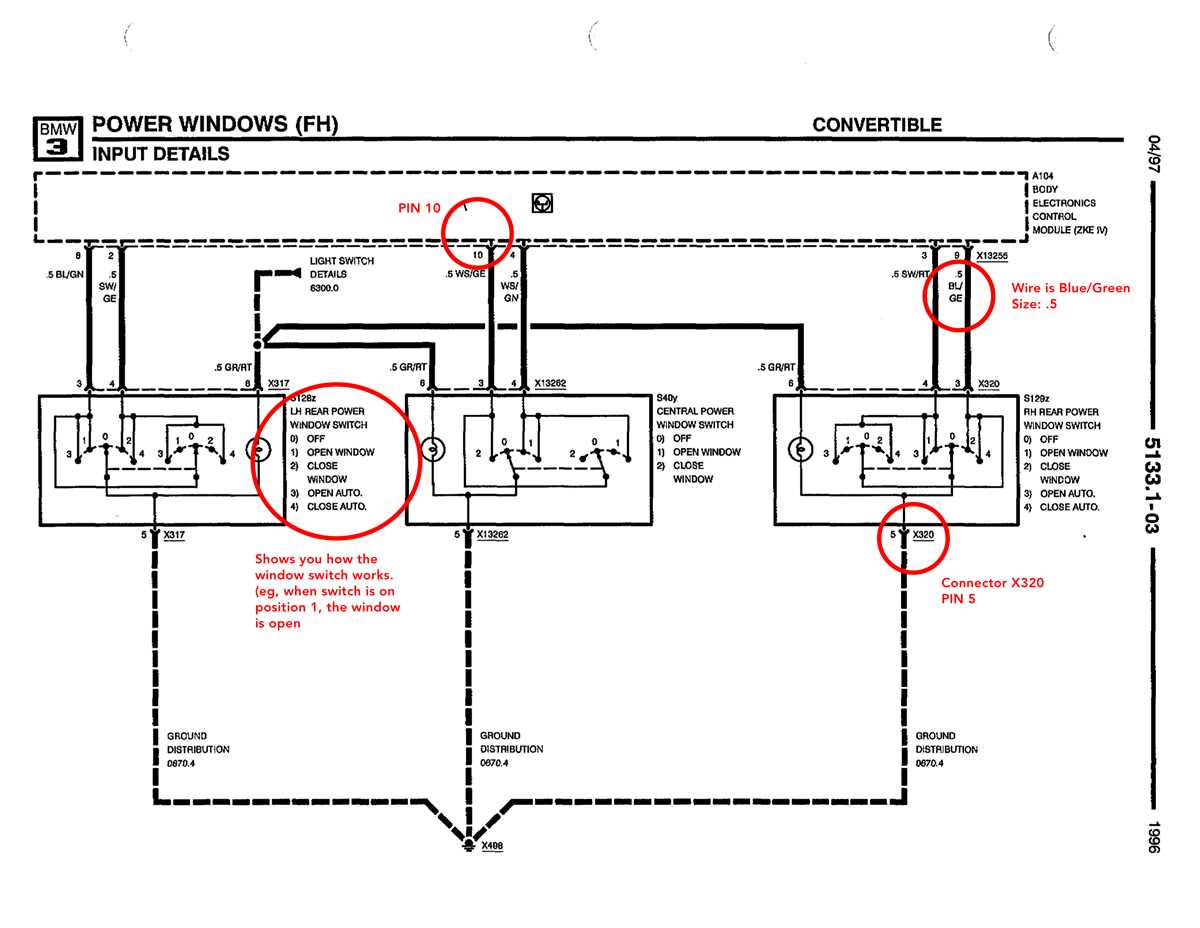
To understand complex electrical systems, start by identifying the common symbols used to represent different components. Power sources, resistors, switches, and other elements have specific symbols that remain consistent across different schematics. Familiarizing yourself with these symbols will allow you to quickly interpret the setup and behavior of the system.
Once you recognize the symbols, the next step is to follow the flow of electricity throughout the system. Identify the paths that current takes from power sources to various components. This will give you an understanding of how the system operates and how each component interacts within the setup. Pay attention to the connections, as the arrangement of components often determines their functionality.
When troubleshooting, focus on isolating sections of the system by breaking it down into smaller parts. Look for areas where the connections may be faulty or where components could be malfunctioning. Using a clear and methodical approach, you can pinpoint issues more easily and make the necessary repairs or adjustments based on the schematic layout.
How to Interpret Electrical Schematics
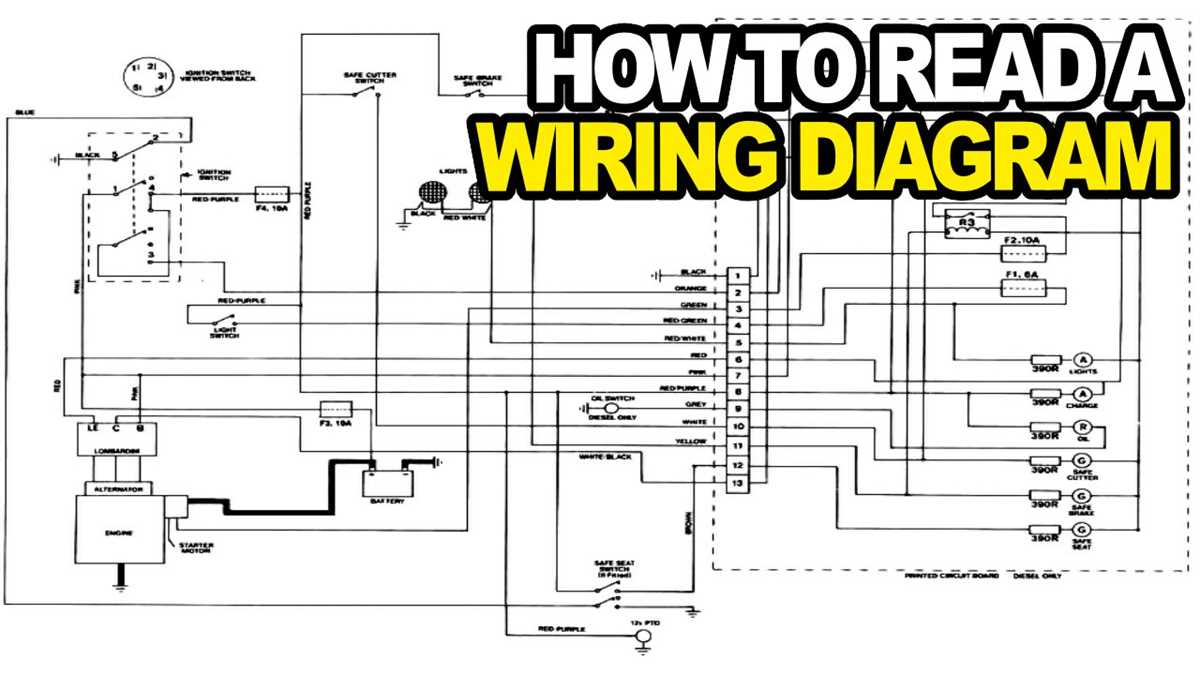
Begin by familiarizing yourself with the standard symbols used to represent electrical components. For example, a straight line typically indicates a wire, while a zigzag represents a resistor. By learning these symbols, you’ll quickly recognize key elements within a layout, allowing you to understand its structure at a glance.
Next, focus on how components are connected. Circuits are often depicted with lines showing the flow of electricity between different elements. Pay attention to whether components are in series or parallel, as this affects the way the current flows and how you will troubleshoot or modify the system.
If you encounter complex systems with multiple branches, break the layout down into smaller, manageable sections. Start by analyzing one portion of the system at a time. This method allows you to isolate potential issues more easily, such as identifying short circuits or open connections.
Don’t forget to check for the presence of fuses, switches, or other control elements. These components can drastically alter the behavior of the system. Make sure you understand how these elements work within the context of the rest of the setup, and how they can be used to interrupt or control the flow of electricity.
Finally, once you’ve identified the components and their relationships, use the layout to guide troubleshooting or modification. For example, if a device isn’t operating as expected, the schematic can help identify faulty connections, incorrect component placement, or areas where power isn’t being properly distributed.
Identifying Common Symbols in Electrical Schematics
The first symbol you’ll encounter frequently is the line, which represents a wire connecting various elements. Wires are typically shown as simple straight lines, and the connections between them are crucial for understanding the flow of electricity. Lines that end in a circle often represent junctions where multiple wires meet.
Resistors are represented by a zigzag line. The number of zigzags typically doesn’t change, but their presence indicates resistance in the system. Resistors are critical in controlling current flow and dropping voltage, so understanding their placement is key to interpreting the behavior of the setup.
Capacitors are another common component and are often drawn as two parallel lines with a small gap between them. In some diagrams, these symbols may have one side curved to distinguish them from other components. These elements store and release electrical energy, which is vital for tasks like filtering or stabilizing voltage.
Inductors, which store energy in a magnetic field, are shown with a series of loops or coils. The number of loops can indicate the size or strength of the inductor. Understanding their role in a setup is vital for analyzing alternating current (AC) systems, where inductors are commonly used for filtering signals.
Power sources are represented with a set of symbols depending on whether they are voltage or current sources. Voltage sources are drawn as a circle with a plus and minus sign inside, while current sources are shown with an arrow. These symbols help you identify the source of electrical energy in the system.
Switches are typically represented by a break in the wire, often with a toggle symbol or a simple open/closed symbol beside it. Switches control the flow of electricity, allowing for simple on/off control in the system. The position of the switch in the schematic indicates whether it’s open (off) or closed (on).
Finally, fuses are usually shown as a rectangle or a line with a small dot or circle in the middle. Fuses are critical safety components designed to protect circuits from overcurrent by breaking the circuit when excessive current is detected. Recognizing fuse symbols is important when designing or troubleshooting systems to ensure safety and prevent damage to other components.