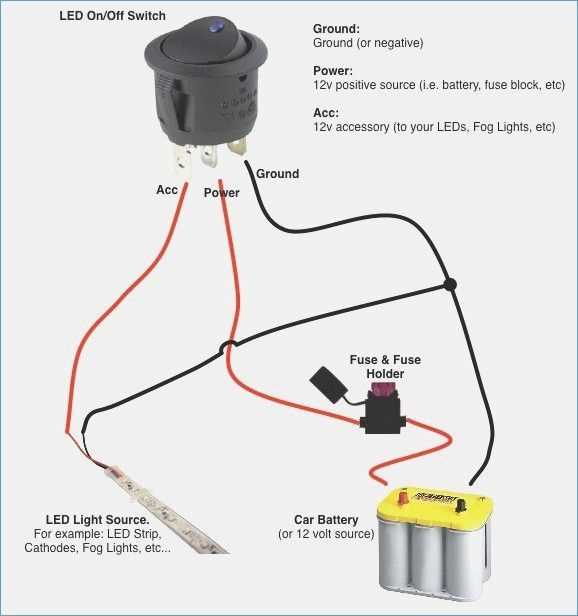
Check voltage and fuse ratings before attaching any power receptacle to prevent short circuits and ensure stable performance. Most outlets in vehicles operate at 12 volts with a fuse between 10 and 20 amps.
Identify positive and negative terminals carefully using a multimeter or labeled connectors. Incorrect polarity can damage the socket or connected devices, so mark each wire before connecting.
Use insulated connectors and secure mounting to avoid loose contacts and vibration-related failures. Fasten the receptacle bracket firmly and keep wires clear of moving parts or sharp edges.
Test the circuit after installation by applying a small load, such as a phone charger, to confirm consistent power flow. Check for heat buildup at terminals to ensure safe operation under normal conditions.
Power Outlet Connection Guide
Always confirm polarity before linking the receptacle to the vehicle’s electrical system. Use a multimeter to locate the positive feed and ground wire, then secure connections with crimped terminals or soldered joints. Include a 10 to 20 amp fuse in line with the power source to protect against overloads.
Follow these steps for stable installation:
- Strip wires to 5–7 mm and twist strands tightly for solid contact.
- Use heat-shrink tubing or electrical tape to insulate all exposed metal.
- Mount the receptacle in a fixed bracket away from moving parts.
- After connecting, test with a small electronic device to verify continuous voltage and check for heat buildup.
Identifying Wires and Connectors for Power Socket Installation
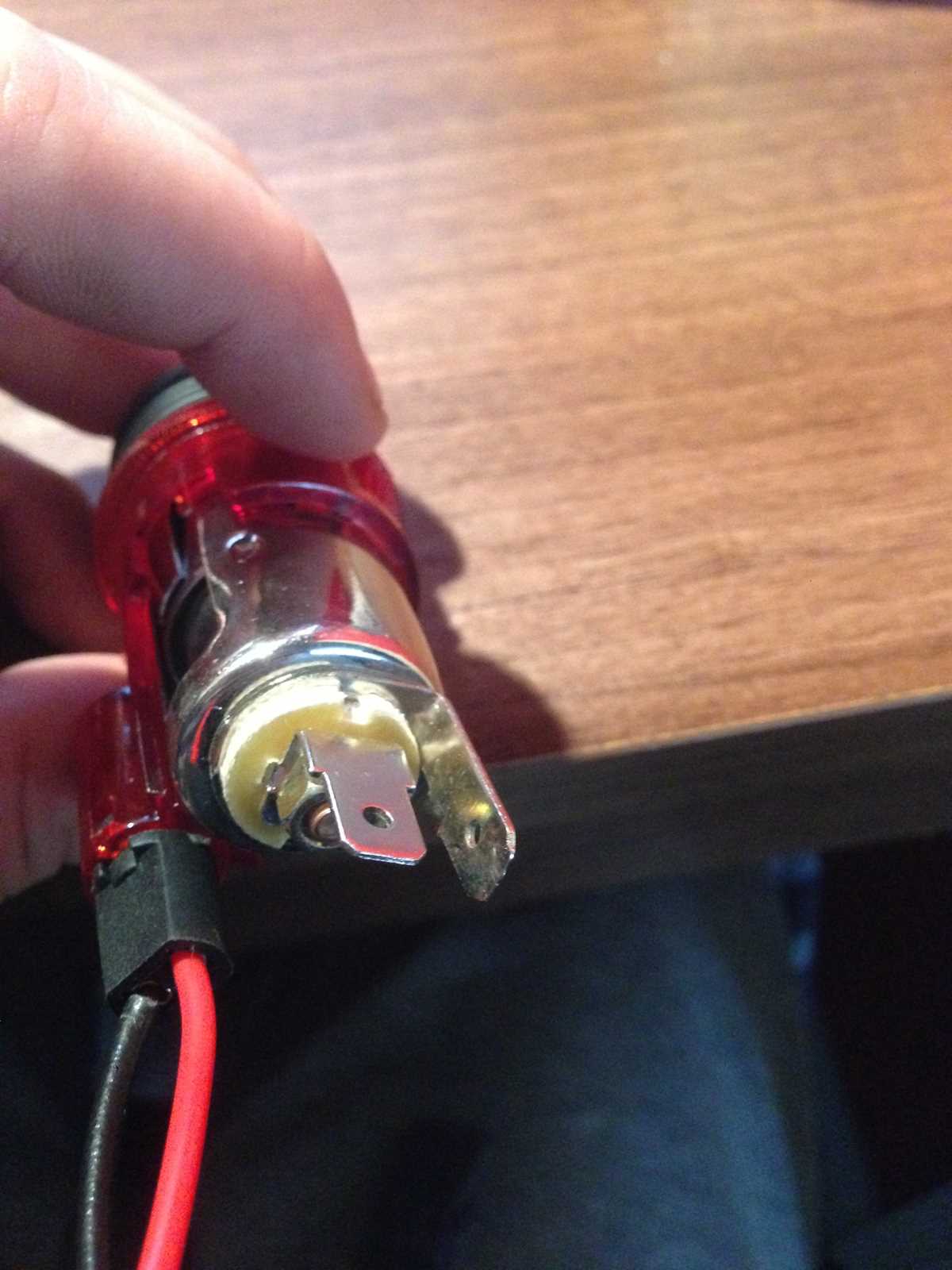
Locate the feed line first using a digital multimeter to measure voltage across terminals. The positive conductor usually carries 12 volts, while the ground cable connects to the chassis or a negative bus. Label each wire to prevent mistakes during attachment.
Recognizing Connector Types
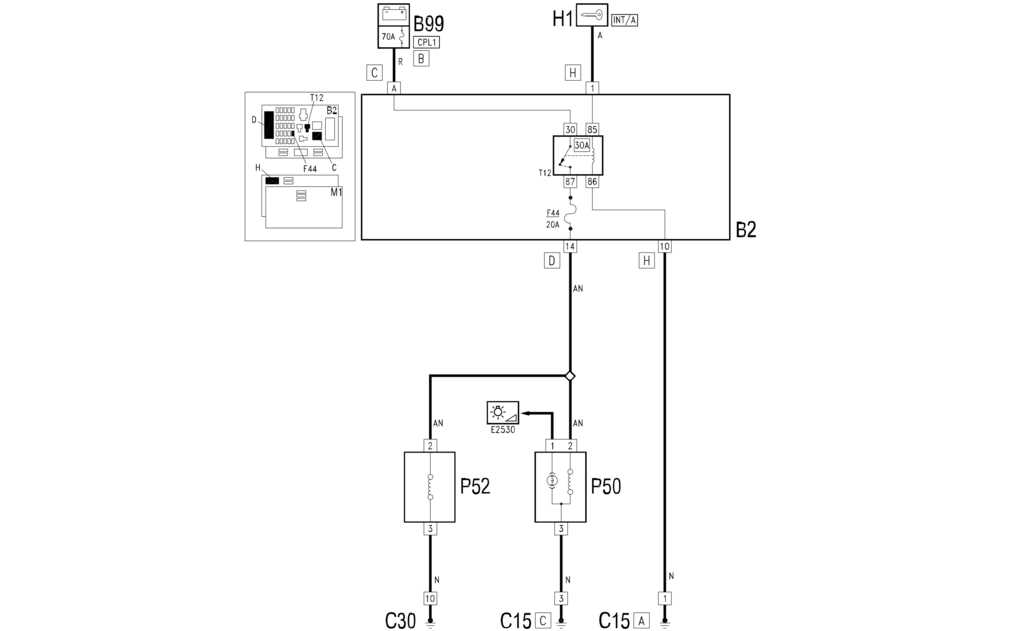
Use compatible terminals to match the socket’s metal contacts. Common options include spade connectors, ring terminals, and push-on tabs. Ensure each connection is snug and fully seated to reduce resistance and avoid intermittent power loss.
Preparing Cables for Secure Contact
Strip insulation to 5–7 millimeters and twist exposed strands tightly. Apply solder or crimp each terminal with a proper tool, then cover with heat-shrink tubing or electrical tape. Keep wires organized to prevent interference with moving components or sharp edges.