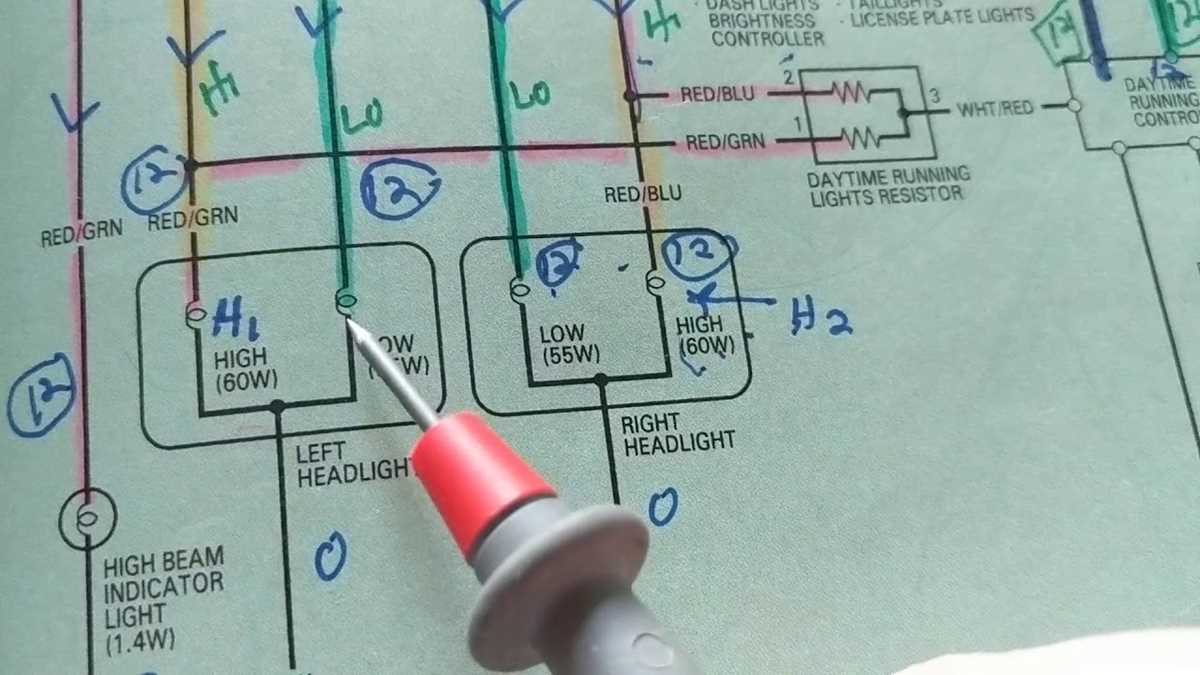
Learn the graphical marks used in automotive electrical schematics before tracing any circuit. Service manuals rely on standardized icons that represent components such as relays, fuses, connectors, lamps, motors, and ground points. Recognizing these signs allows a technician to track voltage paths and locate faults without dismantling large sections of the vehicle.
A typical electrical schematic for a passenger vehicle shows components as simplified shapes connected by lines that represent conductors. For example, a fuse appears as a small rectangle placed along the power line, while a relay usually includes a coil drawing and a set of switching contacts. These visual indicators describe how current flows through the system and which parts interact.
Ground marks indicate where conductors attach to the metal chassis. This point completes the electrical path back to the battery negative terminal. Many diagrams label these locations with identifiers such as G101 or G203, helping technicians find the physical grounding bolt inside the engine bay or under the dashboard.
Connector graphics often display numbered terminals that match the cavity numbers on the physical harness plug. Pin numbers allow precise voltage testing with a multimeter while the connector remains attached. Following these references makes it possible to confirm signal presence without cutting insulation or removing the harness.
Lighting circuits, sensor lines, control modules, and actuator motors appear throughout these schematics. Each icon indicates the role of the component inside the electrical network, allowing technicians to interpret complex systems such as fuel injection, lighting control, climate modules, and engine management units.
Car Wiring Diagram Symbols and Their Meaning in Automotive Electrical Schematics
Identify each graphical mark on the electrical schematic before tracing voltage paths. These icons represent real components installed in a vehicle such as relays, fuses, lamps, sensors, and grounding points. Understanding their meaning allows technicians to locate faults without dismantling large sections of the harness. Most service manuals follow standardized conventions used across manufacturers.
Common Electrical Schematic Icons
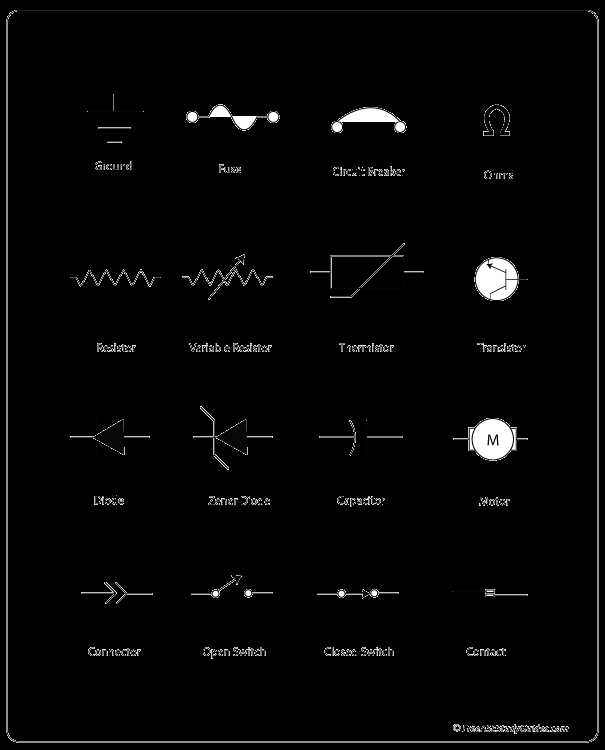
- Fuse – small rectangle placed in a power line indicating overcurrent protection
- Relay – coil graphic paired with switching contacts controlling high current loads
- Ground point – downward line with horizontal bars marking chassis return
- Connector block – rectangular outline containing numbered terminal cavities
- Lamp indicator – circle with cross lines representing lighting devices
- Motor or actuator – circle or mechanical icon connected to power and ground
Terminal numbers shown near connector graphics match the physical harness cavities, allowing accurate voltage testing with a multimeter. Service manuals often add reference codes such as G101 for ground locations or C202 for connector housings, helping technicians trace the electrical network through dashboards, engine bays, and lighting assemblies.
Common Car Wiring Diagram Symbols for Fuses Relays Grounds and Connectors
Locate protective devices first on the electrical schematic. The fuse mark usually appears as a small rectangle placed directly in the power line between the battery source and the load. Each fuse protects a specific branch such as lighting, ignition, or climate modules. Labels like F10 or F21 printed beside the rectangle correspond to positions inside the vehicle fuse box.
Relay icons combine two graphical parts that show how the component operates. A coil symbol represents the electromagnetic winding, while a nearby contact set shows how power switches between terminals. When voltage energizes the coil, the contact closes or changes position, allowing a low-current control line to operate high-current devices such as cooling fans or fuel pumps.
Ground Point Marking
The chassis return point appears as a vertical line ending in several horizontal bars. This mark indicates where a conductor connects to the metal body or engine block. Many service manuals assign codes like G104 or G302 next to the icon so technicians can locate the exact bolt or bracket where the ground strap attaches.
Connector Identification
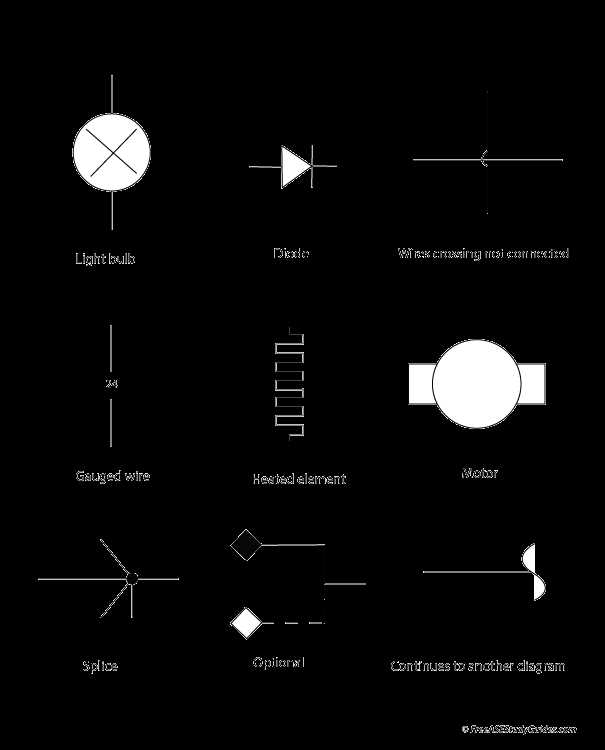
Harness junctions are drawn as rectangular outlines containing numbered terminal cavities. Each number corresponds to a physical position inside the plastic connector housing. These references allow precise voltage checks during troubleshooting, since a technician can probe a specific cavity without removing the harness from the component.