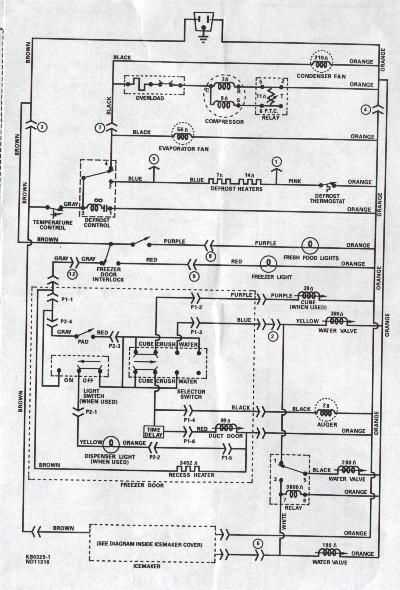
Verify power supply voltage and polarity before connecting terminals. Use a multimeter to confirm 120V or 220V input depending on your appliance model. Correct voltage prevents damage to the compressor motor and control board.
Identify each component lead by function: compressor, thermostat, defrost heater, and fan motor. Label wires with tape or markers to maintain consistency and avoid reversed connections during assembly.
Follow the manufacturer’s connector layout and secure each pin firmly. Loose connections can lead to overheating, arcing, or intermittent operation under load.
Test continuity between all active paths before powering the system. Confirm no short circuits exist between neutral and live lines, and verify that the relay and switch contacts respond correctly to control signals.
Fridge Electrical Connection Guide
Confirm the power rating of the appliance before connecting the supply line. Check the label for voltage, amperage, and frequency to match the circuit and prevent overloads that can damage the compressor or control board.
Identify live, neutral, and ground leads using a tester or multimeter. Mark each conductor clearly and follow the color-coding standard: brown or black for live, blue for neutral, and green/yellow for ground to avoid reverse connections.
Secure connections with proper terminals and ensure tight contact. Loose terminals can generate heat, trigger the fuse, or cause intermittent operation of motors and fans inside the appliance.
Test the complete circuit before operation by measuring resistance across components and verifying continuity. Check relays, thermostats, and protective devices to confirm correct activation sequences and eliminate the risk of electrical faults.
Identifying Terminals and Power Inputs
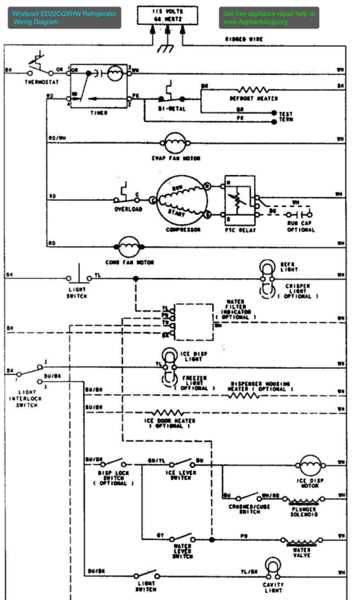
Label all connectors before making connections. Use a multimeter to verify which pins correspond to live, neutral, and ground paths, as mislabeled terminals can damage internal relays.
Trace the supply entry point from the plug to the internal bus bar. Mark each lead and verify continuity to avoid short circuits when energizing the appliance.
Differentiate signal terminals from power terminals. Low-voltage control lines must never be interchanged with high-current inputs to prevent overheating or control board failure.
Inspect terminal integrity for corrosion or looseness. Replace or tighten screws and connectors to maintain stable current flow, as poor contact can lead to intermittent motor operation.
Measure voltage across each input with the appliance unplugged. Confirm expected resistance and continuity to detect broken traces or faulty fuses before applying full power.
Identify protective devices connected to each input, such as thermal cutoffs or fuses. Ensure these are intact and rated for the correct amperage to prevent overload damage.
Document the exact positions of live, neutral, and earth points on a reference sheet. Color-code the leads to reduce error during reconnection or future maintenance work.
Perform a trial energizing sequence after all connections are verified. Check compressor start, fan activation, and thermostat response to confirm that terminals and power inputs are correctly identified and functioning.