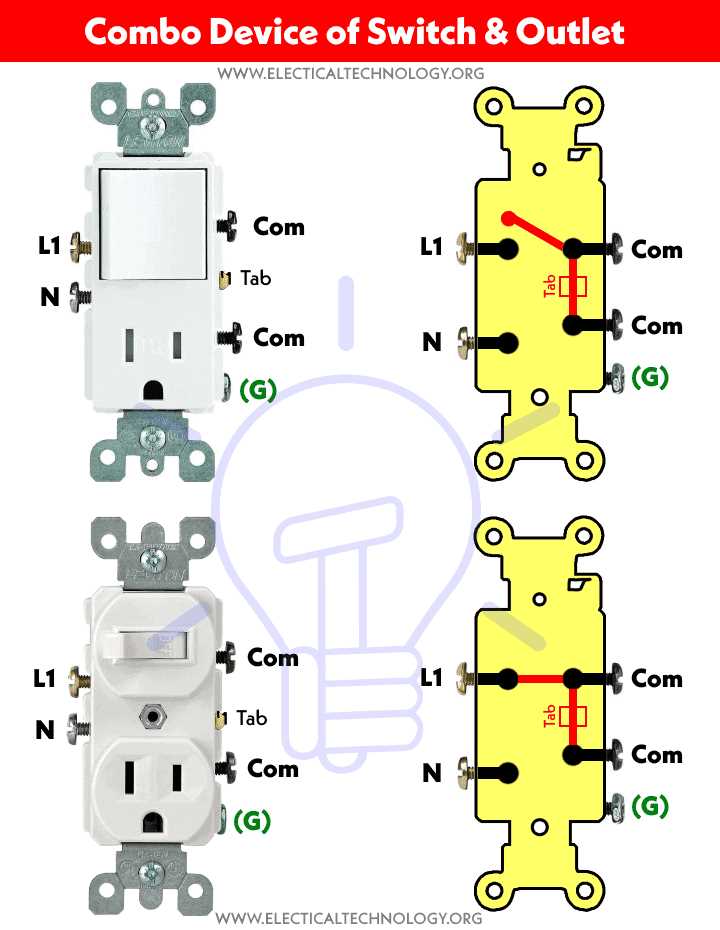
Identify the live, neutral, and grounding conductors before making any connections. Use a voltage tester to confirm which wire carries current and which serves as return or safety ground.
Strip insulation carefully to expose the proper length of each conductor. Maintain no more than 0.5 inches of exposed wire to ensure secure contact inside terminals. Excess exposure can increase the risk of shorts or arcing.
Attach the live conductor to the toggle terminal designated for power input. Ensure the connection is tight and the wire is fully seated. Loose connections can cause flickering or intermittent operation of connected devices.
Connect the neutral conductor to the corresponding receptacle terminal. Verify that all screws or clamps are fully tightened. Proper engagement prevents voltage drops and maintains circuit stability.
Secure the grounding conductor to the receptacle’s metal frame or dedicated ground screw. Check for corrosion or paint that may interfere with contact. A reliable ground path ensures user safety and prevents electrical hazards
Step by Step Guide to Connecting a Receptacle Controlled by a Toggle for Home Circuits
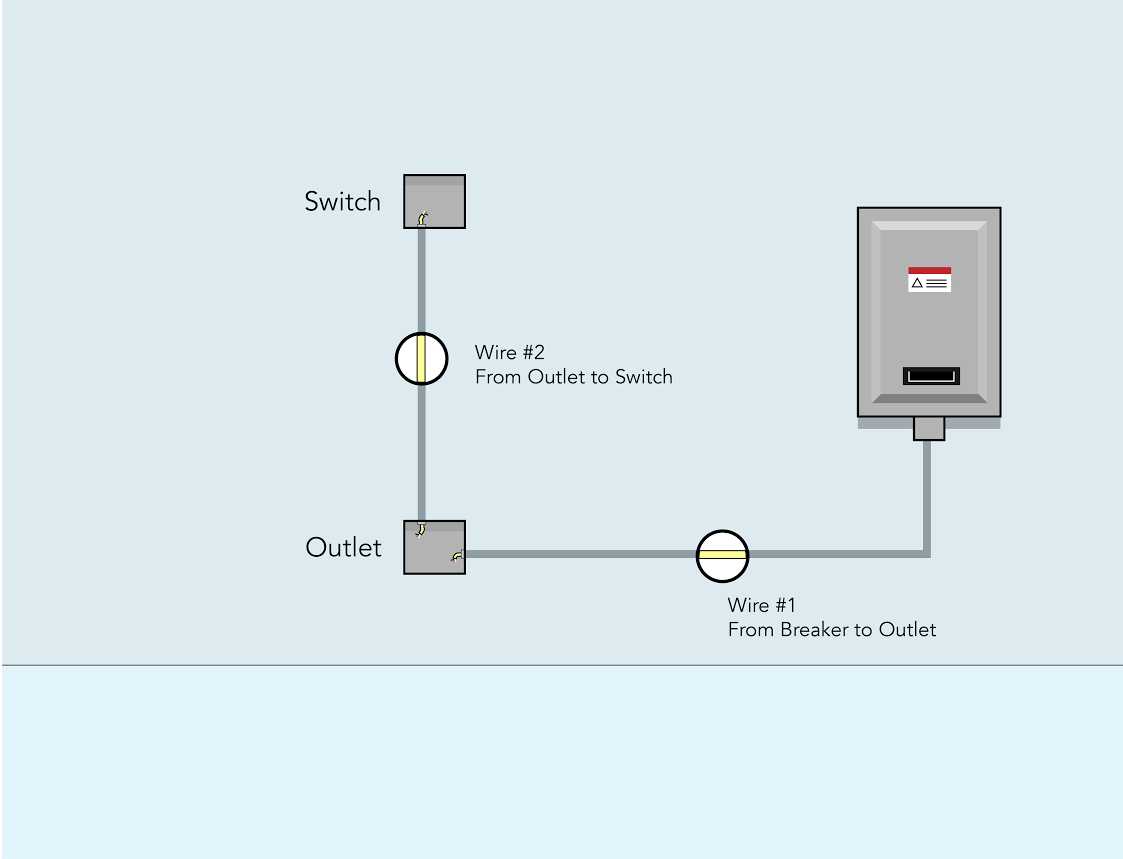
Start by turning off power at the breaker panel to prevent shocks. Identify the hot, neutral, and ground conductors using a voltage tester before proceeding. Strip approximately 0.5 inches of insulation from each wire, ensuring no strands are cut or frayed.
Follow these connection steps:
- Attach the hot conductor to the toggle input terminal and tighten securely.
- Connect the neutral conductor to the corresponding receptacle terminal, confirming full contact.
- Fasten the ground wire to the metal frame or designated screw to maintain a reliable safety path.
- Secure the device into the electrical box and restore power to test operation. The toggle should control current flow to the receptacle without flicker or interruptions.
Identifying Live Neutral and Ground Conductors for Safe Connections
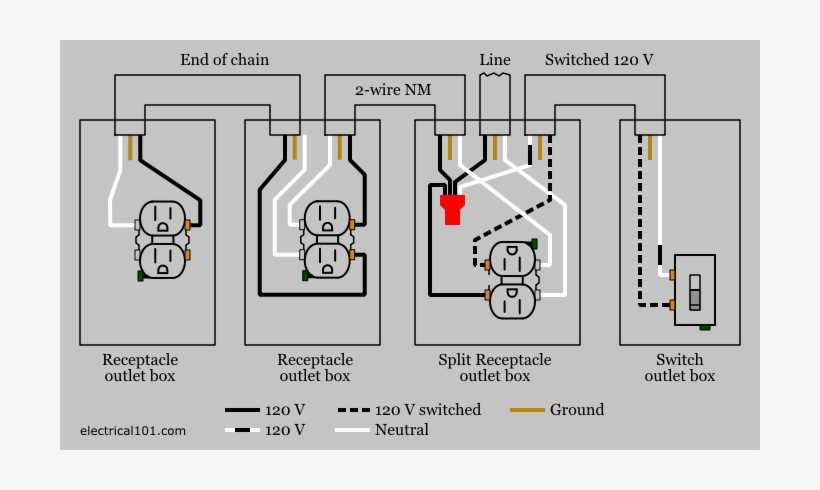
Use a non-contact voltage tester to determine which conductor carries current. The hot wire is usually black or red, while the neutral is white and the grounding wire is green or bare copper. Confirm identification at both ends to avoid misconnection.
Mark each conductor clearly before attaching to terminals. Ensure that the neutral and ground do not share the same terminal with the live wire. Proper separation and labeling prevent shorts, electrical shocks, and erratic operation of connected devices.