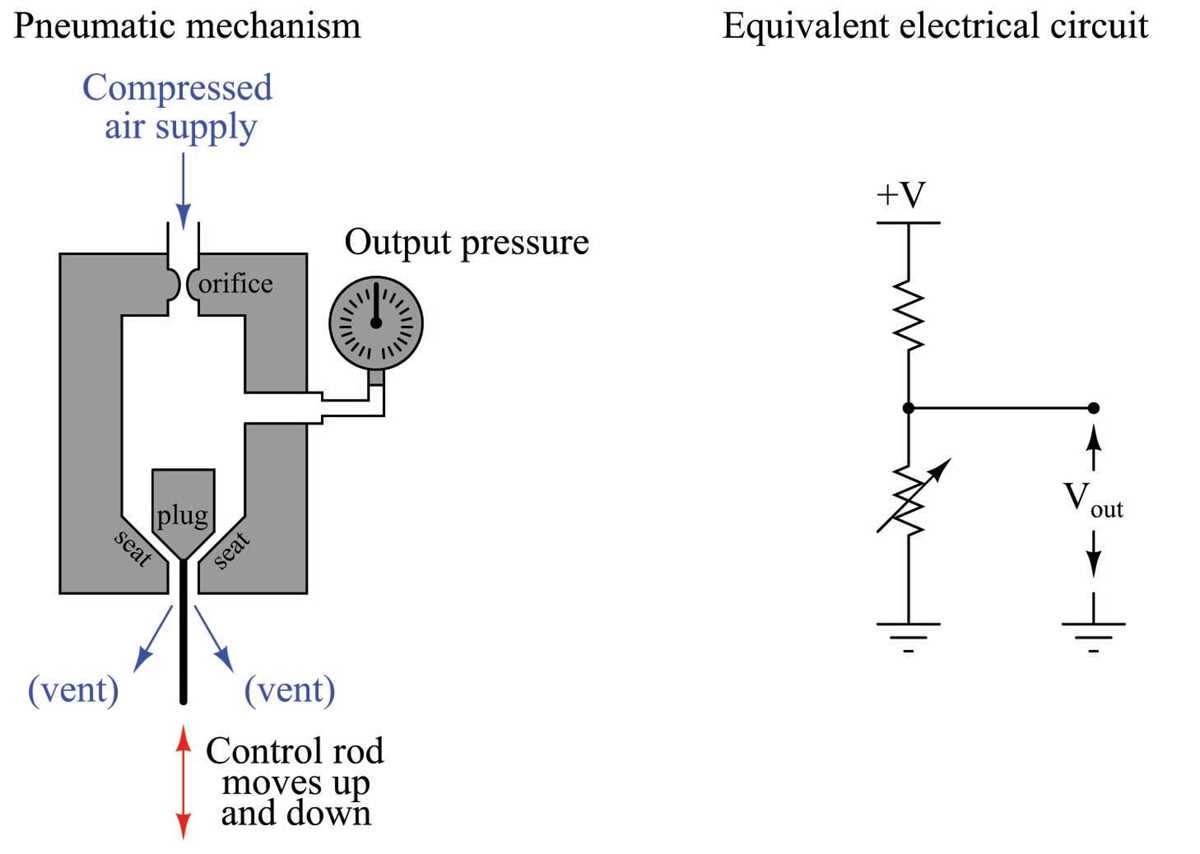
Ensure all actuators and valves are rated for the operational pressure range to prevent premature wear and maintain consistent motion. Confirm each fitting is correctly seated and tightened to avoid leaks that reduce system responsiveness.
Use color-coded tubing or labeling for different lines to simplify troubleshooting and prevent cross-connection of control and power paths. Maintain a minimum bend radius to preserve airflow and reduce turbulence that can trigger erratic actuator movement.
Integrate pressure relief valves at key junctions to protect sensitive devices and maintain stable output. Position regulators close to the devices they control to minimize pressure drop and ensure precise actuation.
Document flow paths with clear symbols and directional arrows for all air channels and control loops. This allows technicians to quickly trace faults and verify component operation without disassembling the system.
Airflow System Overview and Practical Implementation
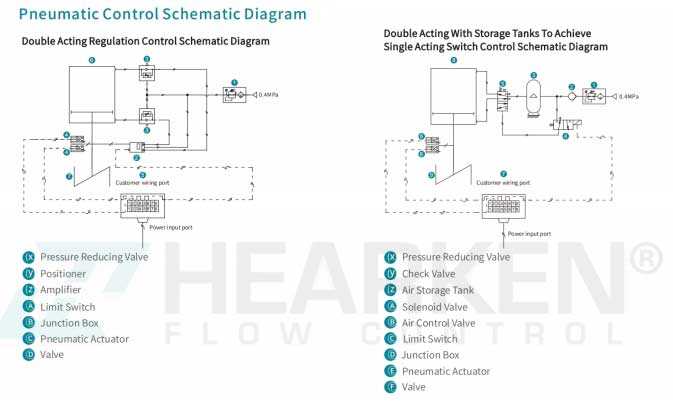
Verify all actuators and directional control valves are rated for the operational pressure range to prevent damage and ensure smooth movement. Connect supply lines to minimize pressure drop across components.
Use quick-connect fittings for all tubing to facilitate maintenance and reduce downtime. Ensure proper orientation of all check and flow control valves for reliable performance.
Install pressure regulators near the end devices to maintain consistent force on actuators. This reduces the chance of overshoot in mechanical movements and prevents fluctuations that could impair operations.
Label each line clearly with its function, such as “control,” “power,” or “exhaust.” This allows technicians to trace flow paths quickly and reduces errors during adjustments or repairs.
- Position actuators in the correct sequence to achieve intended motion.
- Integrate accumulators to buffer sudden load changes.
- Include relief valves to protect sensitive components from spikes.
Monitor system pressure and flow with gauges at strategic points. This identifies blockages, leaks, or misaligned components before they cause operational failures.
Identifying Key Components and Their Functions in the System
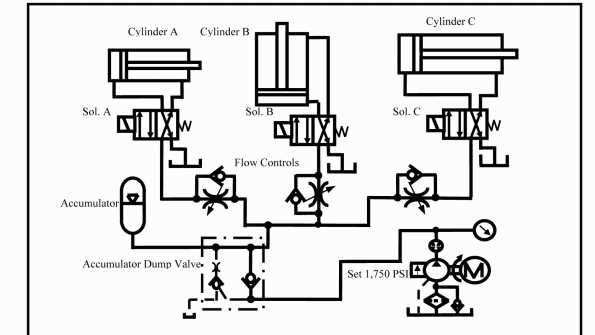
Begin by locating the compressor unit, which provides the pressurized air for all operations. Ensure the unit is correctly sized for the required flow rate and pressure to prevent performance issues.
Inspect reservoirs and storage tanks for leaks and proper capacity. Tanks act as buffers to maintain consistent pressure during peak demand and sudden load changes.
Examine directional control valves carefully since they determine the path of airflow to actuators. Check for proper spool alignment and confirm that solenoid or manual actuators are responsive to signals.
Identify actuators such as cylinders and rotary devices and note their stroke lengths and mounting orientation. Proper installation ensures precise movement and avoids mechanical binding or uneven motion.
- Install flow control valves to regulate speed of actuators.
- Use check valves to prevent backflow and maintain unidirectional operation.
- Include pressure relief valves to protect sensitive components from overpressure.
Monitor pressure and control signals with gauges and sensors at key points. This allows operators to detect leaks, blockages, or malfunctions early, maintaining reliable system performance.