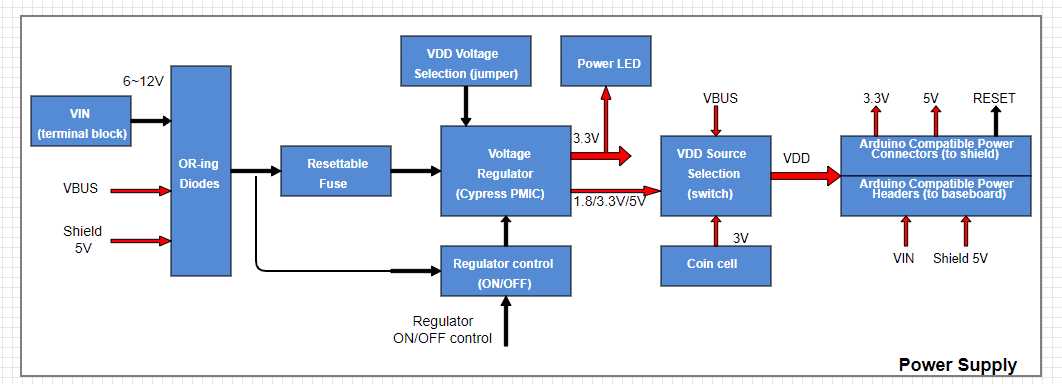
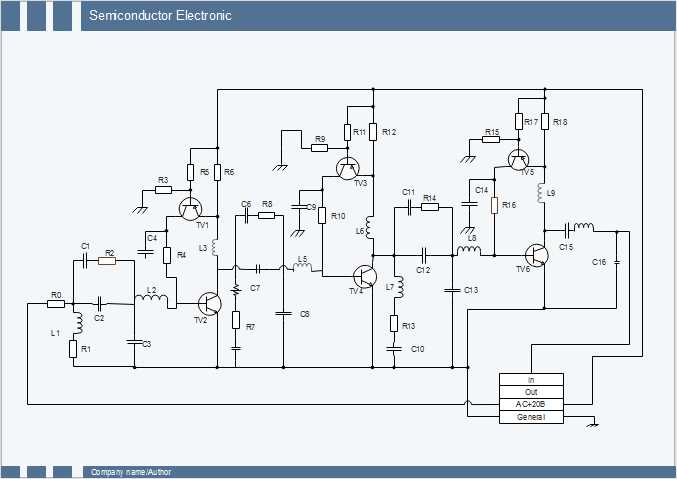
To properly design and analyze electrical systems, it’s important to know the distinctions between different types of visual representations. One common approach is using simple visual models that highlight system components, while another involves more detailed schematics illustrating the intricate connections between each part. Knowing when and why to use each can help you streamline your design process and avoid common mistakes.
Simple illustrations focus on the overall system and its major components, using blocks or symbols that represent functional units. These are ideal for conveying high-level concepts and system behavior. However, when precision and detailed connections are necessary, a more technical approach is required. These more detailed layouts represent individual components with exact connections, allowing for troubleshooting and more accurate analysis.
Understanding which type of visual tool to use for a specific task is key in engineering projects. For system planning and understanding basic flow, simplified models work well. But when building or testing real systems, detailed layouts offer the necessary accuracy for component placement and connectivity. The right choice depends on the stage of the project and the level of detail required.
Understanding Key Differences in Visual Representation
In general, simplified models are used to represent the major functional blocks of a system. These high-level illustrations show the flow of information or power, using generic shapes to represent individual components. They help provide an overview of how the system operates, making them suitable for early-stage planning or presentations.
On the other hand, detailed technical drawings focus on specific components and their connections. These layouts are much more granular, with exact symbols for individual parts like transistors, resistors, and switches. Such designs are necessary when it comes to building or analyzing the actual system, as they provide clear instructions on wiring and connections.
- Simplified representations are good for conceptualization and overview.
- Detailed technical layouts are required for system construction or troubleshooting.
Choosing the right visual format depends on the complexity of the system and the stage of development. Early design phases benefit from broader, less detailed layouts, while later stages demand precision and accuracy for implementation and testing.
Key Differences in Purpose and Functionality
Simplified visuals are primarily used for presenting high-level concepts, showing how different system components interact without focusing on specific details. They are ideal for communication with non-technical stakeholders or during the early design phases, where understanding the overall function of a system is more important than knowing how each part connects.
In contrast, precise layouts are used to convey exact wiring and component arrangements. These detailed representations are essential for anyone directly involved in building, repairing, or modifying the system. They specify component values and connections, allowing engineers to implement or troubleshoot the system accurately.
High-level illustrations serve as tools for planning and conceptualization, while technical drawings are built for accuracy and functionality. For example, a simplified schematic can give an overview of a power system, but only a detailed blueprint will show how each wire should be connected and which component should be used.
Choosing the correct visual representation depends on your role and stage of the project. Conceptual overviews help in the early design phase, while detailed layouts are necessary for construction, simulation, or problem-solving tasks later on.