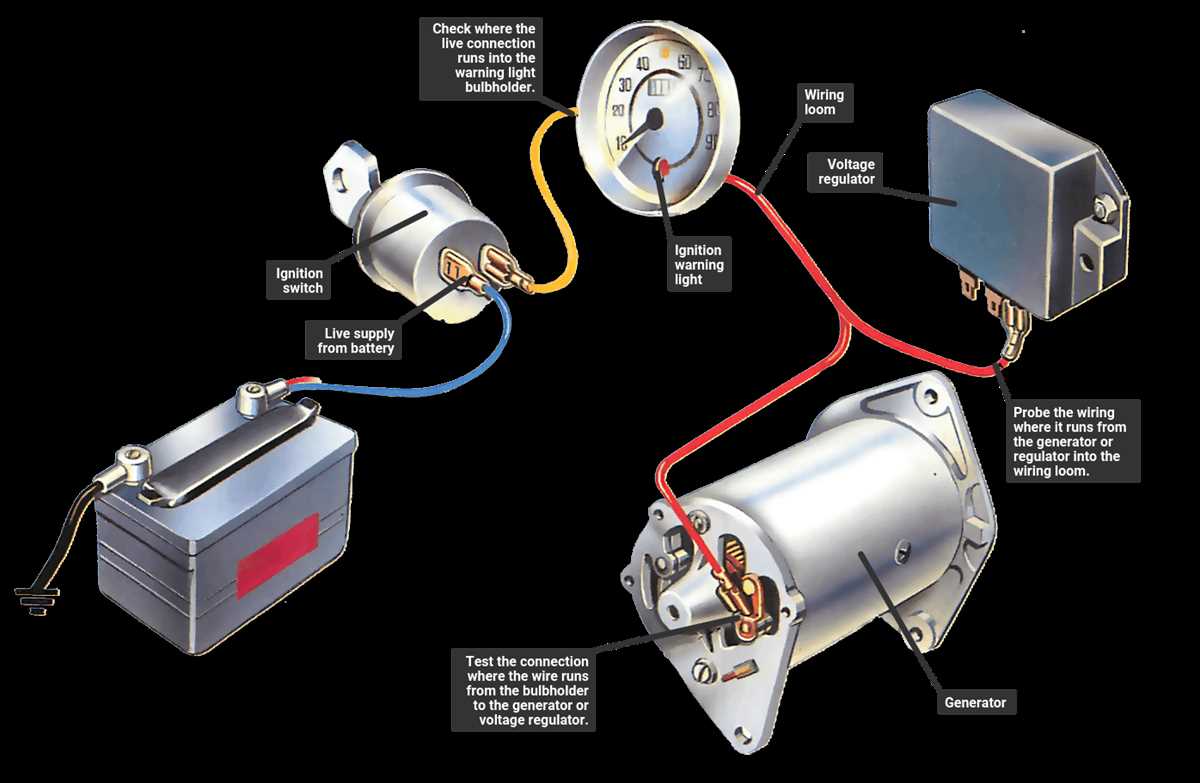
Use a 12V incandescent or LED bulb rated at 3–5W with a series resistor if necessary. Position the unit on the dashboard and connect one lead to the ignition switch and the other to the charging output terminal to provide clear indication of voltage flow.
Install protective inline fuses between the supply and indicator to prevent overload. A 3A fuse is sufficient for standard automotive systems and ensures the bulb and associated components are shielded from short circuits.
Route all leads carefully using insulated terminals and heat-shrink sleeves. Maintain separation from high-current cables and engine components to avoid interference, abrasion, or accidental grounding that could trigger false signals.
Verify system operation with the engine off and then running. The indicator should illuminate when the ignition is on and go out as voltage stabilizes above the battery level. Measure voltage at the terminals to confirm correct connection and stable readings.
Perform routine inspections of terminals, fuses, and connectors for corrosion or wear. Replace any component showing discoloration, loose connections, or overheating to maintain consistent and reliable notification of charging status.
Vehicle Charging Indicator Connections
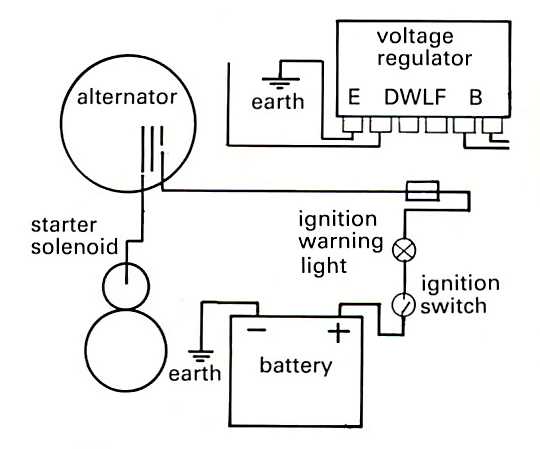
Connect the dashboard unit directly between the ignition feed and the generator output terminal. Use a 12V, 3W bulb or an LED with a 100Ω series resistor to ensure proper illumination without overloading the indicator.
Secure all terminals with corrosion-resistant connectors and apply heat-shrink insulation. Keep wiring away from high-current lines and hot engine components to prevent accidental grounding or damage that could cause false alerts.
Testing and Troubleshooting
Verify operation by turning the ignition on with the engine off; the indicator should illuminate and then extinguish as the generator reaches normal voltage. Measure voltage across the unit to confirm stable performance, and replace any component showing discoloration, loose connections, or erratic behavior to maintain reliable feedback during operation.
Choosing the Correct Bulb and Resistor for the Warning Light
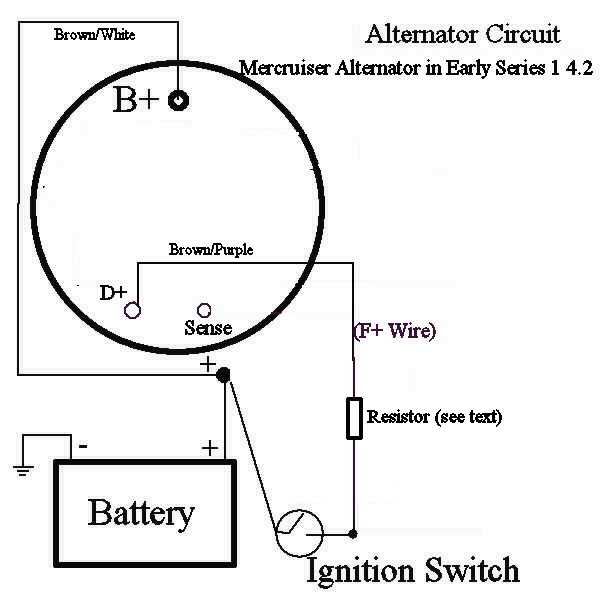
Select a bulb rated for the vehicle voltage, typically 12V, with a power rating between 3W and 5W. A lower wattage may not illuminate visibly, while higher wattage can overheat the terminals and shorten the bulb lifespan.
Consider LED alternatives with built-in resistors when replacing incandescent units. LEDs consume less current and provide consistent brightness, but verify that the series resistor matches the voltage to prevent flickering or premature failure.
Calculate the resistor value using Ohm’s law: R = (Supply Voltage – Bulb Voltage) ÷ Desired Current. For a 12V supply and 3V bulb drawing 0.25A, use a 36Ω resistor rated at 1W to limit current and protect the indicator.
Use high-quality resistors with at least 25% higher wattage than calculated to allow for heat dissipation. Metal oxide or wire-wound types resist temperature fluctuations and extend service life under continuous operation.
Secure all connections with insulated terminals and ensure proper polarity for LEDs. Improper connection can prevent illumination or cause the resistor to overheat, leading to damage of the indicator assembly.
Test the assembly before final installation. Apply voltage with a regulated power supply or vehicle ignition feed and verify that the bulb illuminates at expected intensity and the resistor remains within safe temperature limits.
Regularly inspect components for signs of discoloration, corrosion, or heat stress. Replace any unit showing wear to maintain reliable operation and prevent false notifications during vehicle operation.