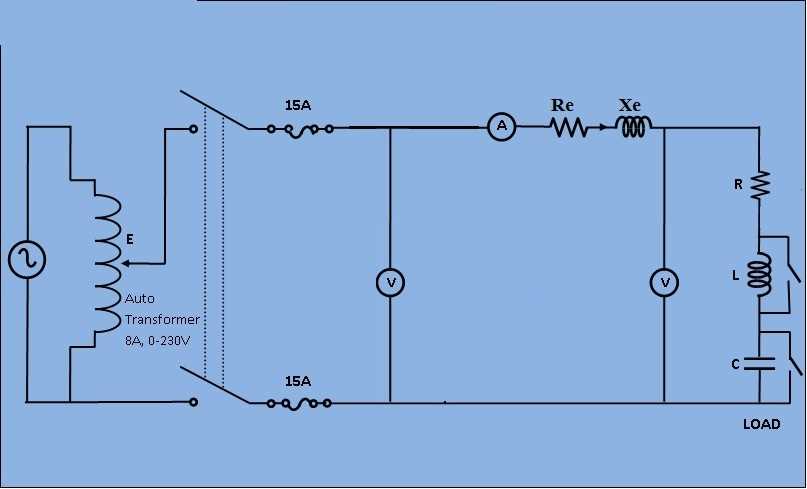
Connect the primary coil to a stable power source matching the rated input voltage, and verify insulation resistance before applying current. Proper tap selection allows smooth voltage variation without overheating the windings.
Use a clear labeling system for each connection point to prevent wiring errors and ensure quick identification during maintenance. Mark the high and low voltage ends to avoid short circuits or reversed connections that could damage equipment.
Install protective components such as fuses or circuit breakers inline with the input and output terminals. This prevents overload and reduces risk of fire or insulation failure under fluctuating load conditions.
Check the load compatibility by measuring current draw across different taps. Adjust the winding ratio gradually to match required voltage levels, avoiding sudden surges that stress coils and connected devices.
Maintain physical spacing between adjacent windings and core sections to minimize leakage and heating. Proper cooling and ventilation significantly extend operational life and maintain stable performance under continuous operation.
Step by Step Setup for Voltage Control Assembly
Start by connecting the primary winding to a regulated power source with the correct voltage rating. Ensure that all terminals are insulated and that no exposed wires can cause shorting during testing.
Label each tap point clearly to track voltage output levels. Mark the input and output ends distinctly to prevent incorrect connections that could lead to overheating or component failure.
Wiring Tips for Stable Operation
Use heat-resistant wiring capable of handling peak currents expected at each tap. Verify all connections with a multimeter before energizing the assembly to avoid accidental shorts or voltage drops.
Install protective devices such as inline fuses or miniature breakers at both input and output terminals. These safeguards prevent damage from overloads and allow safe adjustments of the output voltage under load.
Monitor temperature closely during initial operation. Check for hot spots at the winding junctions and adjust the spacing or cooling if necessary to maintain stable performance over extended use.
Understanding Voltage Tap Connections and Ratings
Identify the correct tap points by checking the labeled voltage increments on the winding. Connect the load to taps that match the required output voltage to avoid overloading the coil.
Check current ratings for each connection before applying power. Use a clamp meter to confirm that the draw does not exceed the rated capacity of the selected tap.
Practical Tips for Safe Connection
- Mark all terminals to prevent accidental swaps between high and low voltage ends.
- Verify continuity across each tap with a multimeter before energizing the assembly.
- Use insulated connectors capable of withstanding the maximum operating voltage.
- Maintain consistent spacing between adjacent tap points to reduce heat accumulation.
Monitor performance during the first few hours of operation. Observe voltage stability across each connection, and adjust the load distribution to maintain safe operating conditions without overheating or excessive losses.