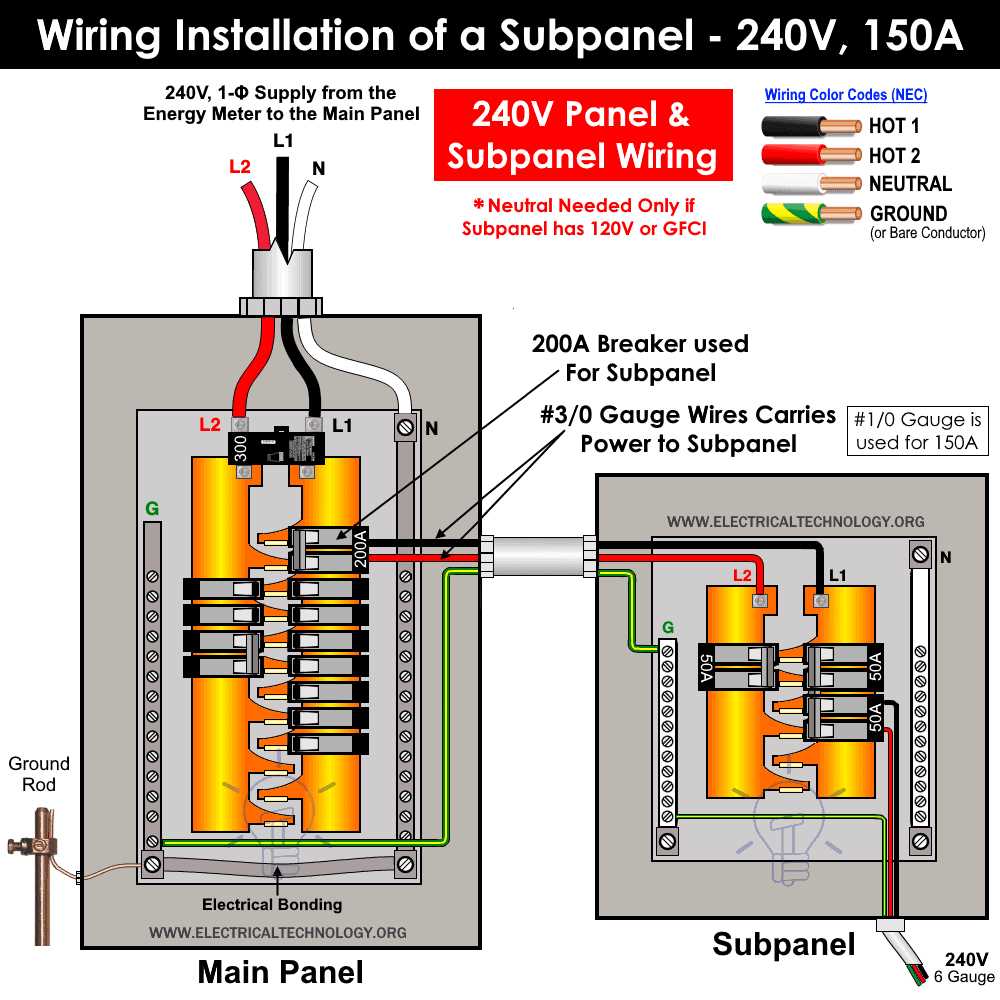
Connect a dedicated feeder cable rated for 50 amps directly from the main service to the secondary distribution enclosure. Ensure that the breaker at the source matches the conductor capacity to prevent overheating.
Use appropriately sized hot, neutral, and ground conductors with secure lugs and color-coded insulation. Maintain separation between neutral and grounding bars inside the enclosure to avoid unintentional loops.
Label each branch circuit clearly and verify that each breaker aligns with its intended load. Double-check torque specifications on all terminals to ensure reliable connections under load conditions.
Test all connections before energizing the system with a multimeter. Confirm correct voltage between hot conductors, and verify continuity between neutral and ground to ensure proper safety and functionality.
50 Amp Distribution Box Installation and Connection Guide
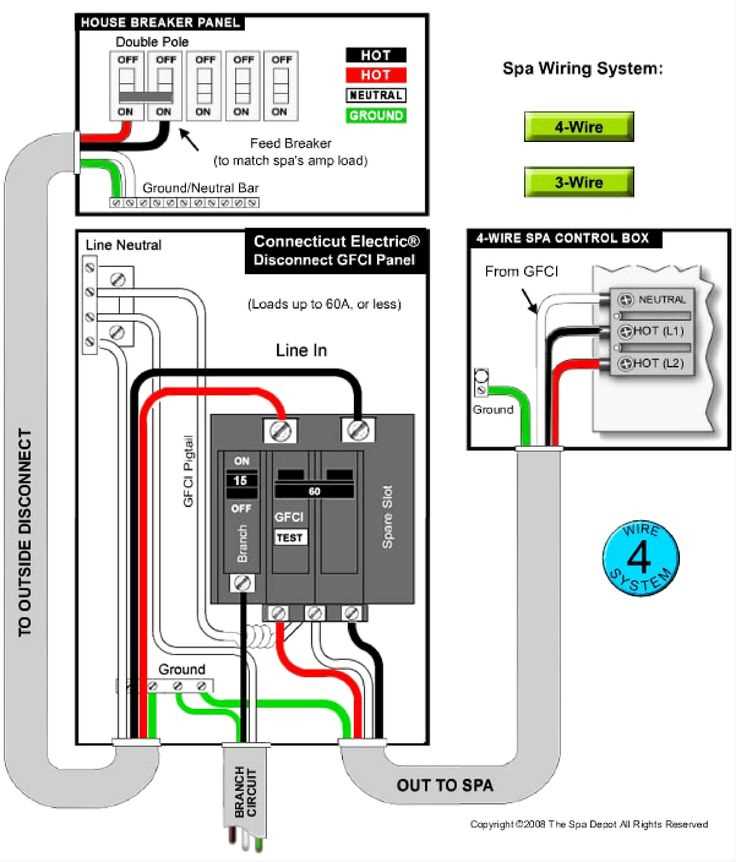
Run a dedicated feeder line rated for 50 amps from the main service to the secondary distribution enclosure. Ensure that each conductor–two hots, one neutral, and one ground–is sized according to code, with insulated lugs tightened to manufacturer specifications for secure contact.
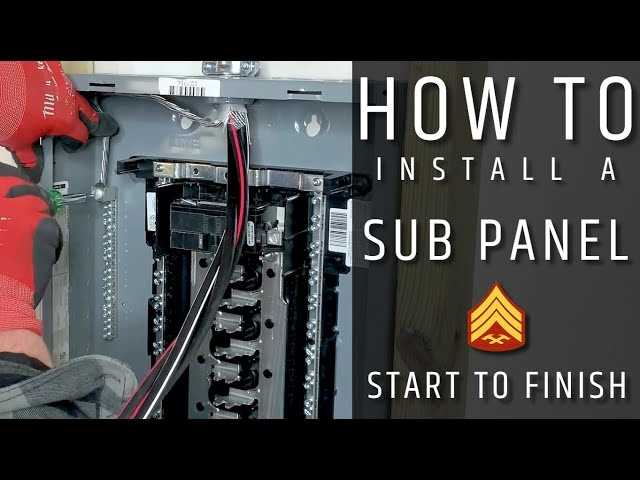
Separate neutral and grounding bars inside the enclosure to prevent electrical loops and maintain system safety. Label each breaker and verify voltage across each hot conductor before energizing, and test continuity to confirm proper grounding throughout the setup.
Selecting Proper Breakers and Cable for a 50 Amp Distribution Box
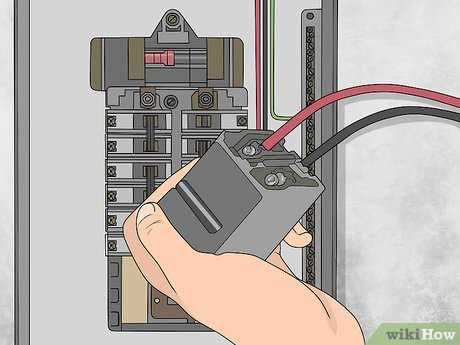
Use a double-pole breaker rated for 50 amps to protect the feeder line and prevent overloads. Verify compatibility with the enclosure type and ensure the breaker lugs match the conductor size for secure termination.
Choose conductors rated for at least 50 amps continuous load with insulation suitable for indoor or outdoor routing. Copper is preferred for lower resistance and better heat handling, while aluminum may require upsized conductors to maintain safety margins.
Install separate grounding and neutral conductors from the main service to avoid potential loops. Maintain consistent color coding: black and red for hot lines, white for neutral, and green or bare for ground to simplify identification and future maintenance.
Consider the run length when sizing conductors to prevent voltage drop. Longer distances may require a larger conductor gauge to ensure voltage remains within 3% of the main supply, preserving appliance performance and minimizing heat buildup.
Mount the breaker securely inside the enclosure and torque all connections to manufacturer specifications. Label each breaker and conductor for clarity, indicating which circuits they supply to prevent confusion during troubleshooting or expansion.
Regularly inspect insulation for nicks or abrasions before energizing the system. Verify continuity and grounding with a multimeter to confirm safe operation, and ensure the enclosure is properly bonded to the building structure to meet electrical code requirements.