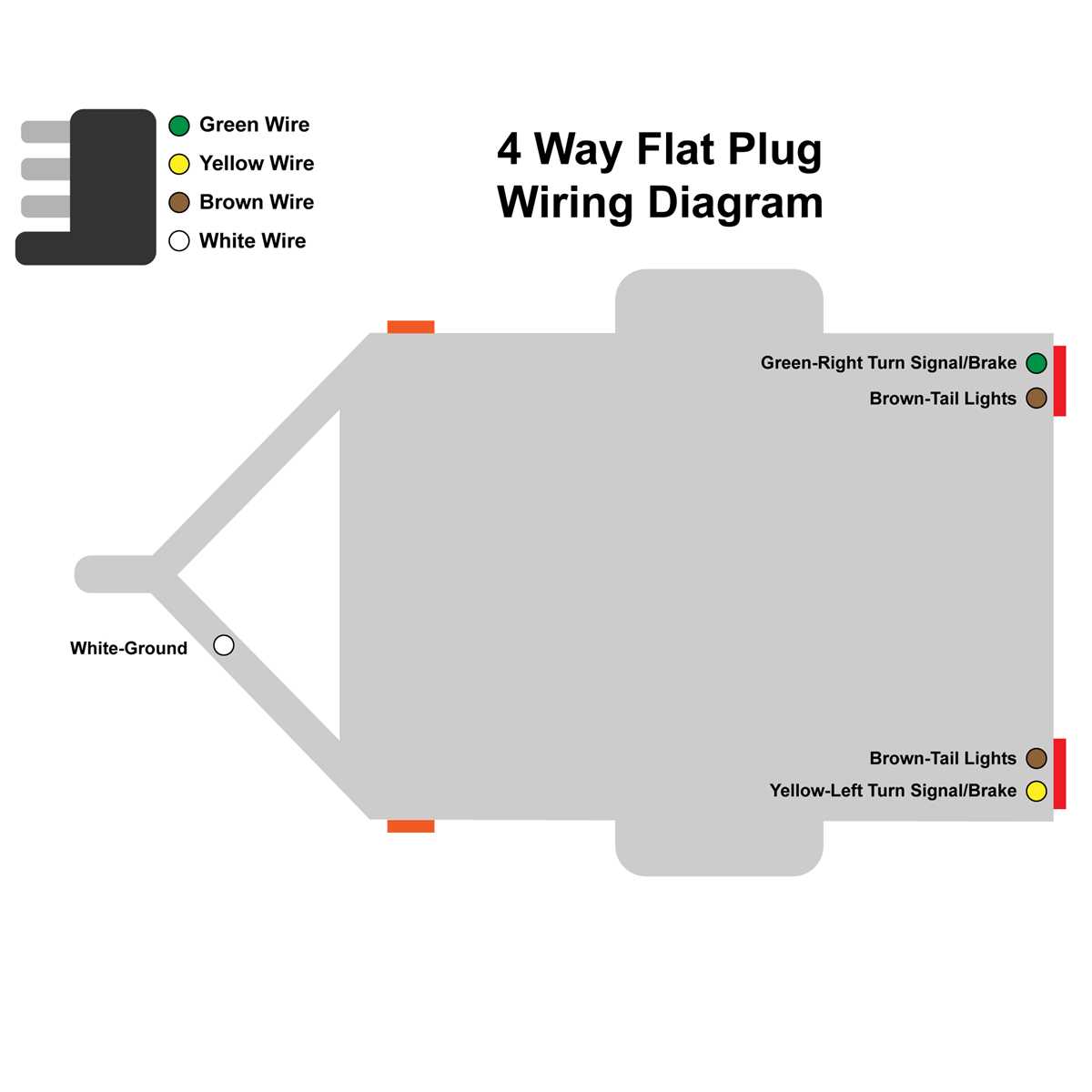
Match each wire to its designated function using standard color codes: white for ground, brown for tail lamps, yellow for left turn signal, green for right turn signal, blue for electric brakes, and red or black for auxiliary power. Verify these codes against the vehicle manual to prevent shorts or blown fuses.
Use insulated connectors and heat-shrink sleeves to secure each joint and prevent corrosion. Avoid twisting bare wires together, as vibrations can loosen connections over time. Secure lines along the frame with clips to prevent rubbing or damage from moving parts.
Test each circuit independently with a 12V test lamp or multimeter. Activate brake lights, turn signals, tail lamps, and auxiliary circuits to confirm proper operation. Label each wire for easier future maintenance and troubleshooting.
Run a dedicated fused line for electric brake circuits to ensure consistent current flow without overloading the lighting circuits. Verify that the fuse rating and wire gauge match the brake motor specifications for safe and reliable operation.
Step by Step Guide to Connecting Vehicle Circuits and Lights
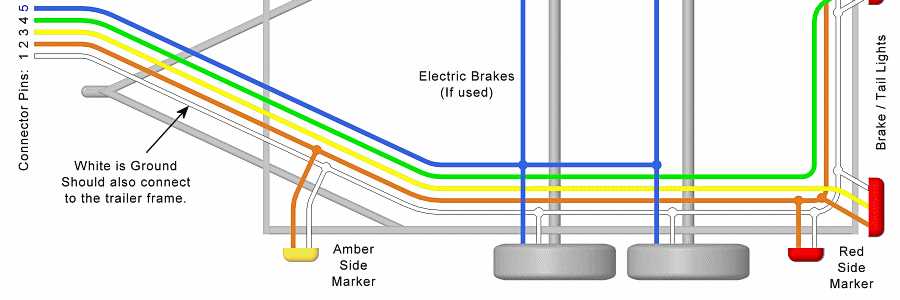
Begin by identifying each line according to its color code. White connects to ground, brown powers tail lamps, yellow controls left turn signals, green controls right turn signals, blue handles electric brakes, and red or black carries auxiliary power. Verify these codes with the vehicle manual before making connections to avoid shorts or blown fuses.
Securing and Protecting Connections
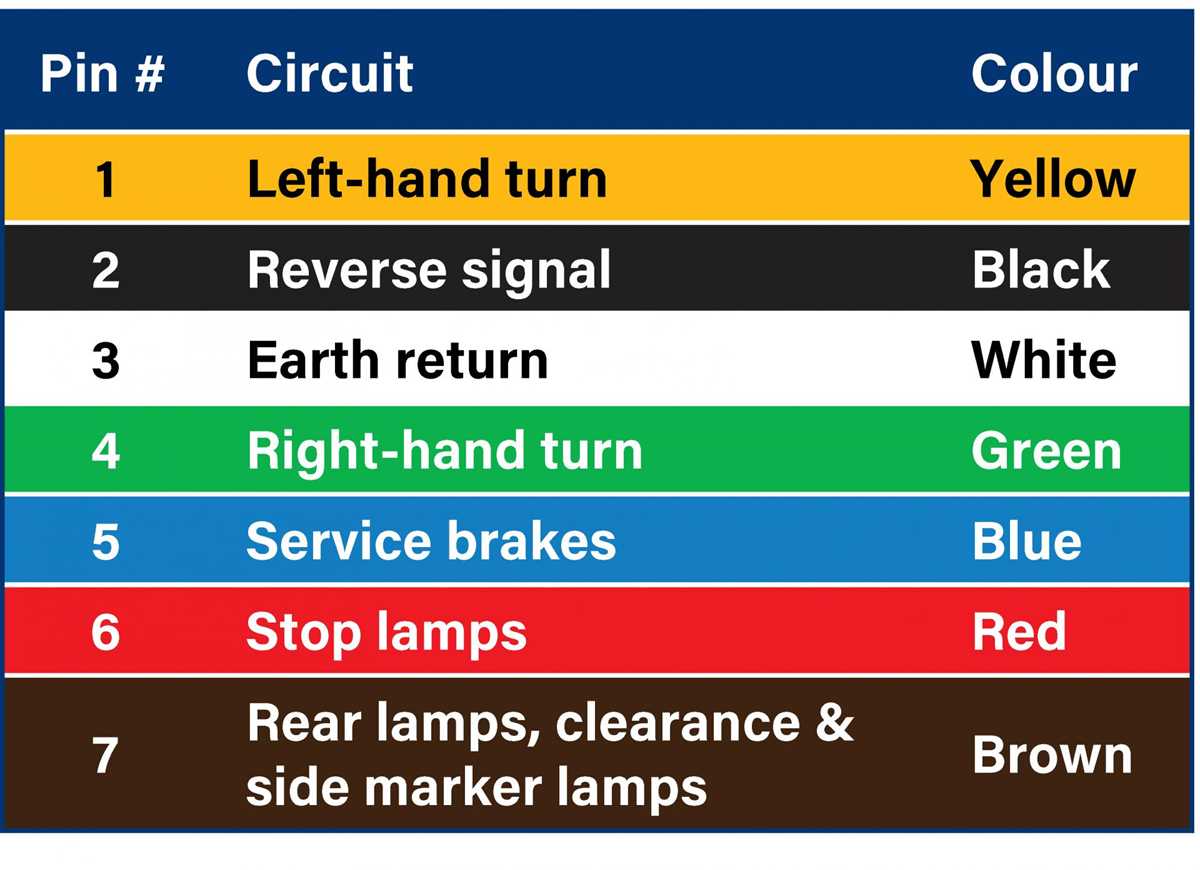
Use insulated terminals and heat-shrink tubing to protect each joint from corrosion. Route lines along the frame using cable clips or ties, keeping them away from moving suspension parts and heat sources. Avoid twisting bare wires together, as vibration can loosen the joint over time.
Testing Each Circuit
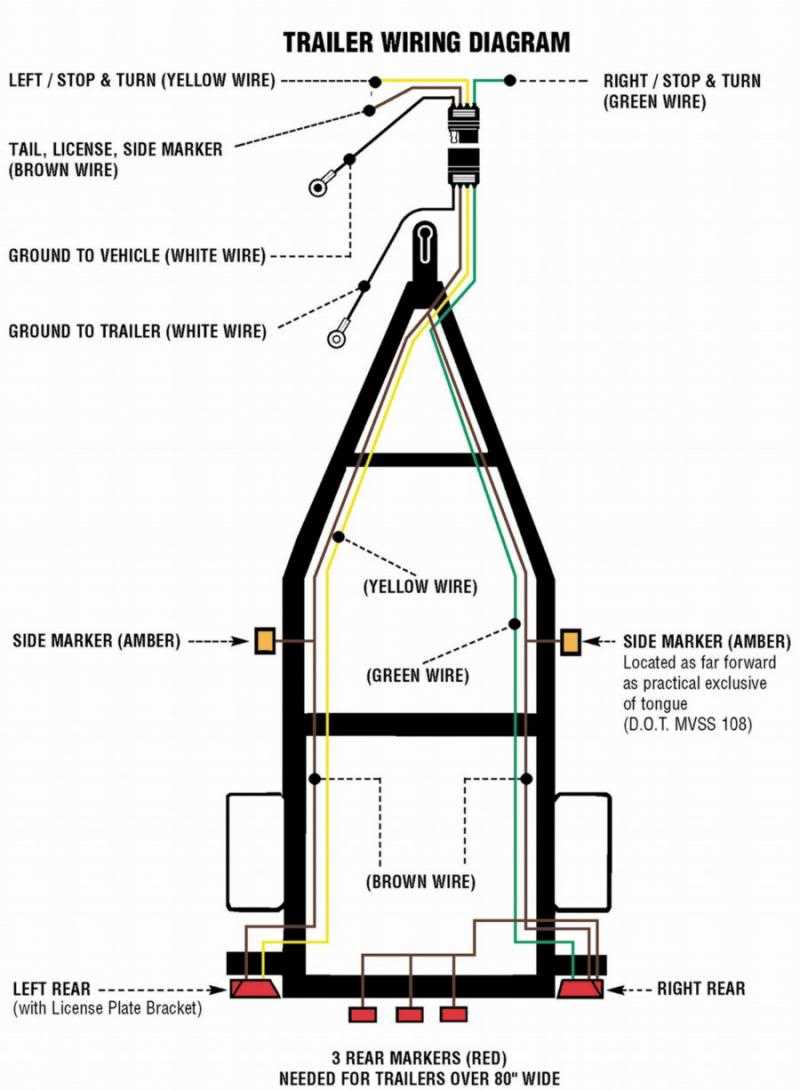
Check each function with a 12V test lamp or multimeter. Activate brake lights, turn signals, tail lamps, and auxiliary circuits individually to confirm proper operation. Label each line with tape to simplify future maintenance and prevent accidental misconnection.
Identifying Each Wire and Its Function in the Connector
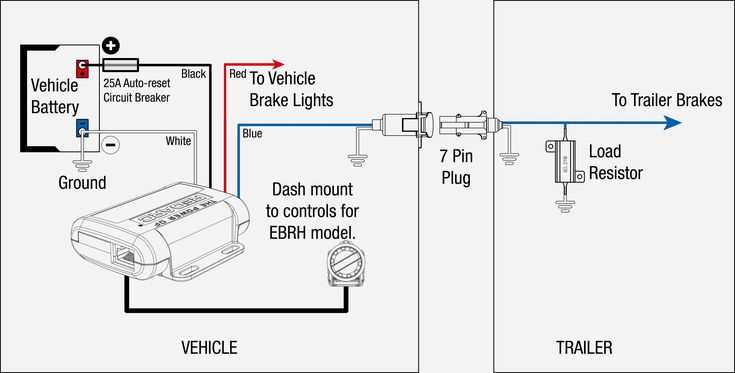
Match each line to its designated function using standard color codes. White is ground, brown powers tail lamps, yellow controls the left turn signal, green controls the right turn signal, blue operates electric brakes, and red or black carries auxiliary power. Verify the codes against the vehicle specifications before making connections to prevent shorts or blown fuses.
Inspect each terminal for corrosion or physical damage before attaching lines. Clean or replace damaged contacts to ensure solid connections and prevent intermittent faults that could affect brake and signal functions during use.
Use a multimeter to confirm continuity between each line and the corresponding lamp or device. Label all wires with adhesive tape and the function near the connector. This simplifies future maintenance and troubleshooting without having to test each circuit again.