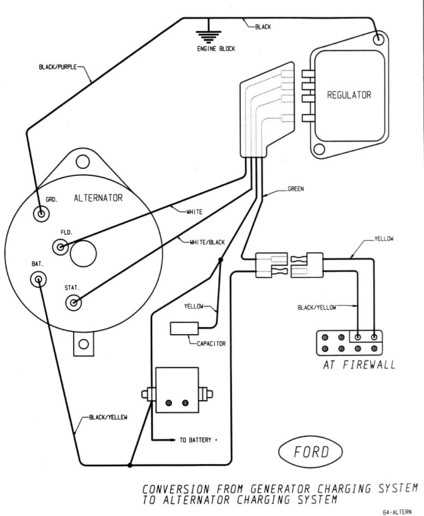
Connect the field terminal directly to the output lead to maintain stable voltage under varying load conditions and prevent overcharging the battery. Ensure the connection is tight and free from corrosion to avoid intermittent voltage drops.
Use the sense lead to monitor battery potential and adjust the excitation automatically. Place the sensing line as close to the battery positive post as possible for precise regulation and to reduce voltage loss caused by long conductor runs.
Attach the indicator lamp terminal to the dashboard warning light circuit with a proper current-limiting resistor if required. This will provide immediate visual feedback of the charging system status during engine start and operation.
Confirm all connections are insulated and routed away from moving engine components to prevent shorts or damage from heat and vibration. Use heat-resistant sleeves on any leads passing near exhaust manifolds or turbo components.
Check voltage output after installation with a digital voltmeter under idle and full-load conditions. The target range is typically between 13.8 and 14.5 volts for a 12-volt system, ensuring consistent battery charging without overvoltage.
3 Wire Ford Alternator Regulator Connection Guide
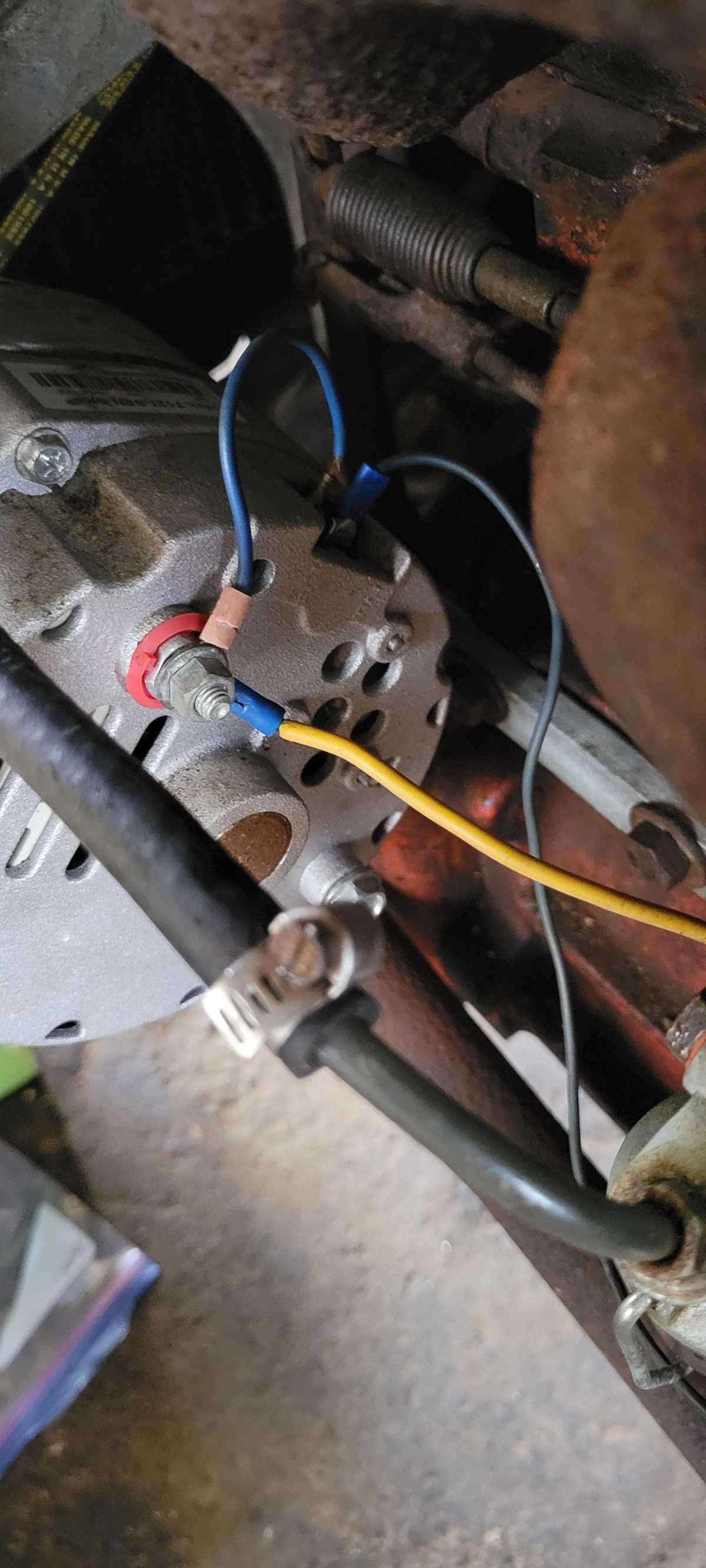
Connect the excitation terminal directly to the main output lead to maintain stable voltage across all operating conditions. Ensure the terminal is clean and firmly attached to prevent intermittent charging issues and voltage drops during engine load changes.
Route the sensing lead to the battery positive post to monitor the system voltage accurately. Keep the conductor short and protected from heat sources and moving parts, as long runs or damage can cause incorrect voltage regulation and premature battery wear.
Attach the indicator lamp terminal to the dashboard circuit with an appropriate resistor if required. This allows instant visual feedback of charging status at engine start and during operation, signaling any system faults immediately for preventive action.
Identifying Terminals and Color Codes for Accurate Setup
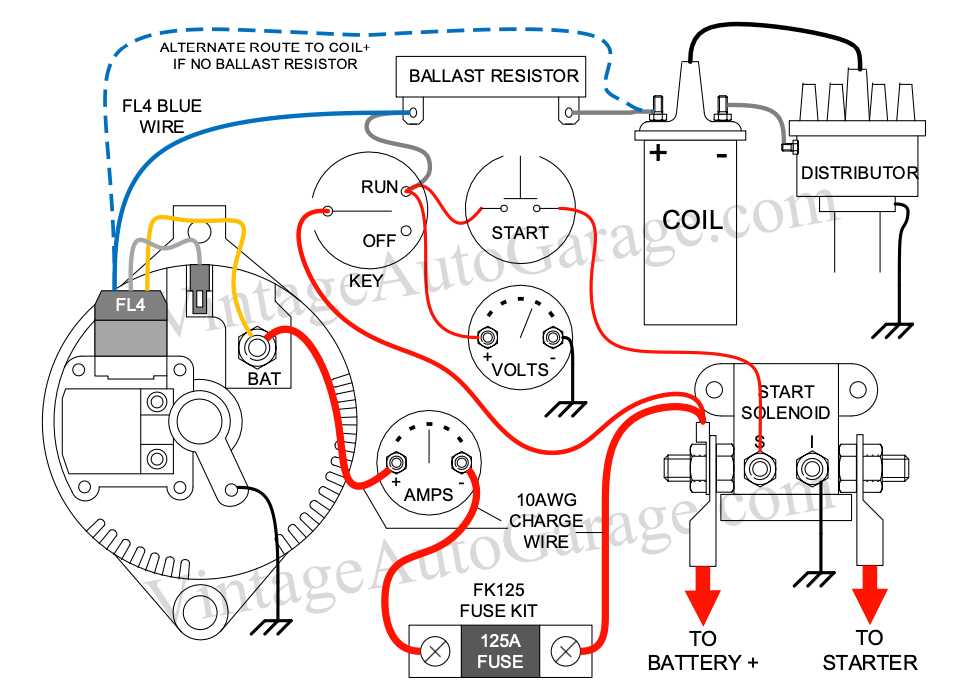
Start by recognizing the main output post, typically marked with red insulation. This terminal carries the primary current to the battery and must be secured with a clean, tight connection to avoid voltage drops and overheating during operation.
The sensing terminal is often indicated with a green or yellow sleeve. Connect this directly to the battery positive side to provide accurate voltage feedback. Avoid routing near heat sources or engine moving parts to prevent erroneous readings and potential damage.
The indicator lamp lead usually has a white or blue color and should be routed through the dashboard signal circuit. Confirm that any inline resistor matches the system specifications to ensure the lamp illuminates correctly during startup and signals faults reliably during engine operation.