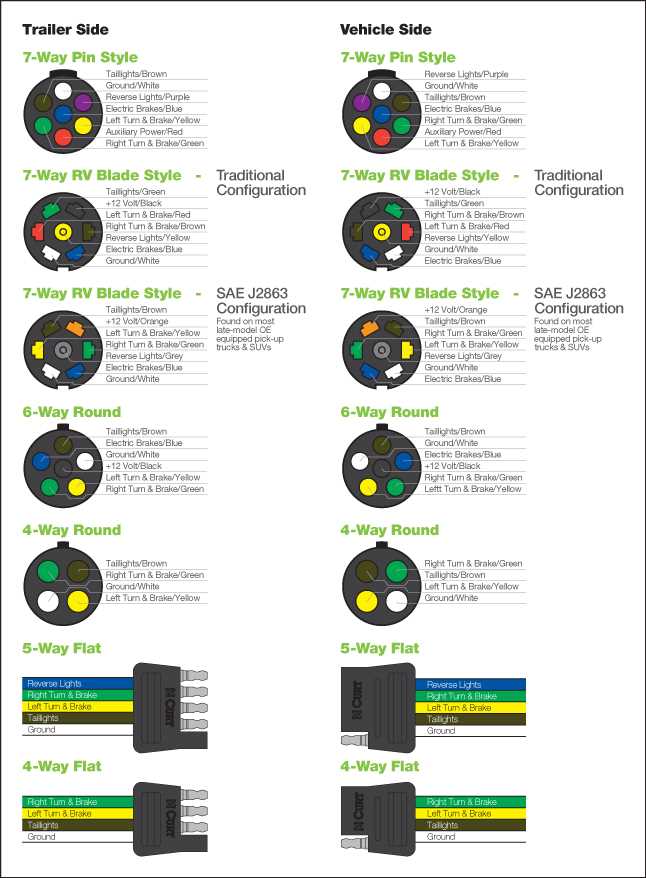
Ensure each conductor is correctly matched to its corresponding function before connecting to the vehicle harness. Standard color codes include white for ground, brown for running circuits, yellow for left turn signals, green for right turn signals, and blue for electric brakes. Confirm continuity with a multimeter before securing terminals.
Connect the main power line directly to the vehicle battery or a fused distribution point to prevent voltage drops. Use ring terminals and secure them with corrosion-resistant hardware. Label each line to simplify future maintenance and prevent misrouting.
Brake and signal lines should never be shared between circuits to avoid interference. Twist and tape connections inside protective sleeves to minimize exposure to vibration and moisture. Test each function individually after completing connections to verify proper operation.
Include inline fuses on all auxiliary lines to prevent overcurrent situations. Color-coded insulation helps distinguish circuits under low-light conditions. Maintain proper separation from exhaust and moving components to reduce heat damage and mechanical stress.
For reversing circuits or marker lights, route conductors along existing harness channels where possible. Secure lines with clamps or ties at 12-inch intervals. Inspect connections for signs of wear or corrosion periodically, especially in outdoor environments.
Tractor Trailer 7 Connector Setup Guide
Match each conductor to its designated function using the standardized color scheme: white for ground, brown for running circuits, yellow for left turn, green for right turn, and blue for electric brake control. Confirm continuity with a multimeter before securing terminals to prevent misconnection and voltage issues.
Route main and auxiliary conductors along protective channels on the frame, avoiding heat sources and moving parts. Use zip ties or clamps at regular intervals to reduce vibration stress, and encase exposed junctions in heat-resistant, moisture-proof sleeves to maintain reliable operation.
After completing all connections, test each signal and braking function individually. Inspect terminals for corrosion and ensure inline fuses are properly rated to prevent overloads. Label all circuits clearly to simplify maintenance and reduce troubleshooting time during future inspections.
Identifying Connector Functions and Standard Color Codes
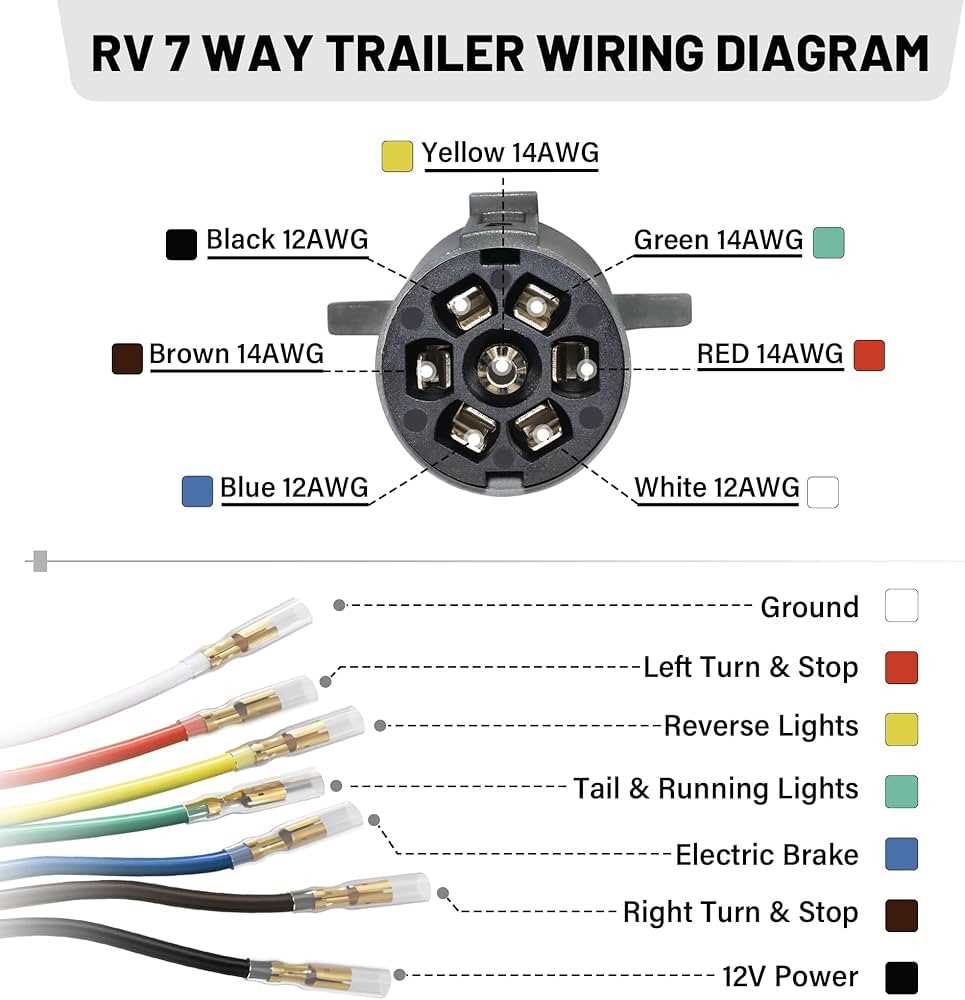
Start by matching each terminal to its designated function using the standardized color chart. White is universally assigned to ground connections, ensuring a stable return path for all circuits.
Next, the brown conductor carries the running or tail circuits. Verify continuity with a multimeter before finalizing connections to prevent malfunction during operation.
Turn signals are separated by side: yellow handles left indications and green handles right. Test each direction individually to confirm the correct response and avoid cross-activation between signals.
Blue wires are reserved for electric braking control. Ensure that brake controllers are correctly rated and connected directly to this conductor to maintain proper stopping function.
Auxiliary power circuits typically use red wires.
- Check fuse ratings
- Protect against shorts with insulated terminals
- Label each wire clearly
to simplify maintenance and reduce misconnection risks.
Verify that each conductor is routed along protective channels, avoiding sharp edges and heat sources. Use clamps or cable ties at intervals to reduce mechanical stress and vibration wear over time.
Finally, conduct a full system test, activating all running, signaling, and braking circuits simultaneously. Inspect terminals for corrosion and ensure grounding connections remain secure to prevent voltage drops or intermittent faults.