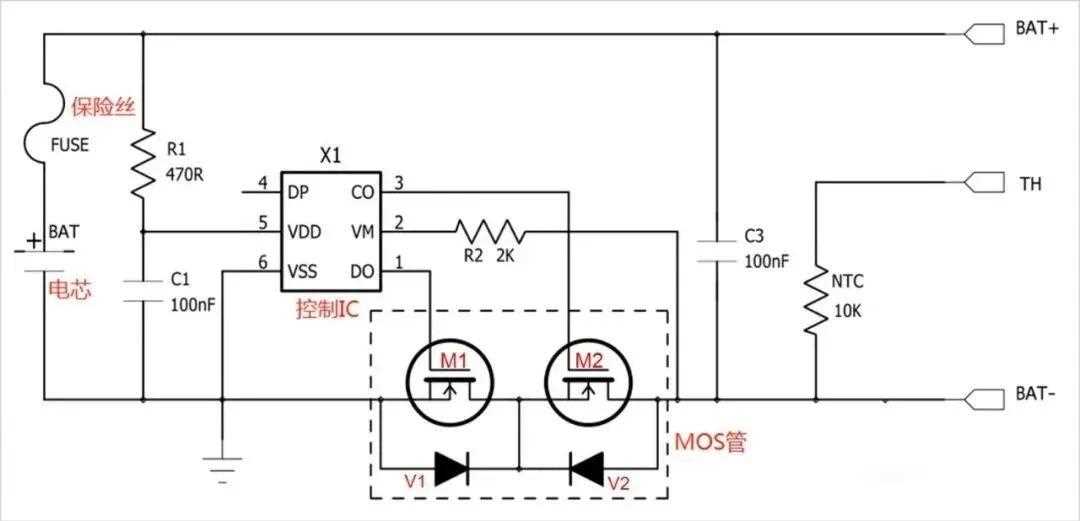
Check voltage regulation points across the protection board before attempting replacements. Accurate measurement of charge and discharge lines prevents damage to the storage cells and preserves lifespan.
Identify thermal sensor locations on the pack assembly to monitor temperature fluctuations. Correct positioning ensures reliable current balancing and prevents overheating during high-load cycles.
Trace signal paths between control ICs and protective switches to detect shorts or open circuits. Mapping these connections allows precise fault detection and targeted repairs without dismantling the entire assembly.
Verify connection pads and fuses for continuity and resistance. Weak solder joints or corroded terminals are common causes of sudden voltage drops and charge interruptions.
Document pin configurations of monitoring chips before adjustments. Recording polarity and pin function prevents accidental reversal during maintenance and supports safe handling of sensitive cells.
Analyzing Storage Pack Management Layouts
Measure voltage at each cell connector before any repair. Differences exceeding 0.05 volts between series units indicate imbalance that may trigger protective shutdowns.
Check MOSFET switching paths for continuity. Damaged or weak transistors can block current flow, causing sudden power loss under load.
Examine sensing resistors for accurate current monitoring. Resistors with drifted values distort charge and discharge readings, leading to overcurrent events.
Observe thermal cutoff links embedded in the stack. Overheated segments should be isolated and replaced to maintain safe operation of the pack.
Map IC pinouts and trace feedback lines to the controller. Precise understanding of these connections allows targeted troubleshooting without dismantling the entire protective assembly.
Identifying Key Components in a Power Management Module
Locate the control IC first, as it governs voltage regulation and current distribution. Pin mapping and datasheet consultation ensure correct interpretation of input and output signals.
Inspect MOSFETs and switches connected to the charge and discharge pathways. Confirm gate voltage thresholds match specifications to prevent overcurrent or short circuits.
Measure shunt resistors across series cells to verify current sensing accuracy. Deviations greater than 1% can distort load readings and trigger unintended cutoff.
Identify thermistors and temperature sensors embedded in the stack. Accurate placement guarantees reliable thermal monitoring and automatic shutdown under extreme heat.
Check protection fuses and PTC links for continuity. Any resistance increase above 50 milliohms indicates partial failure and requires immediate replacement.
Trace signal feedback lines from sensors to the controller. Confirm uninterrupted paths to ensure correct reporting of charge state and load conditions.
Document capacitor and inductor placements along power rails. Filtering components stabilize voltage spikes and reduce noise, preventing erratic behavior in the control module.