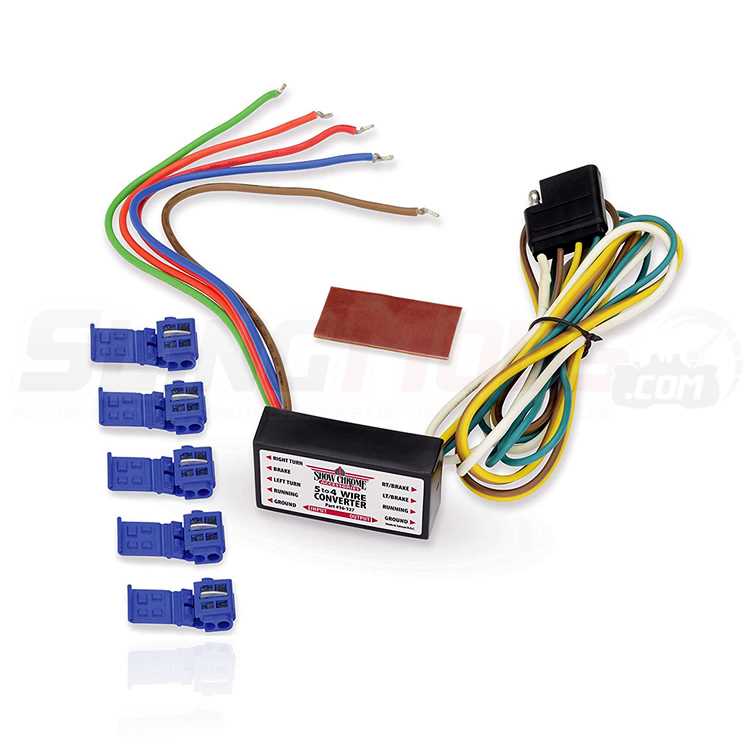
Match the vehicle connector contacts with the lighting leads from the towed unit before attaching any conductors. Many light systems use five separate leads for ground, tail lamps, left turn signal, right turn signal, and brake lights, while the vehicle socket may provide only four contact points. In this situation the stop signal often merges with the turn signal circuits through a converter module.
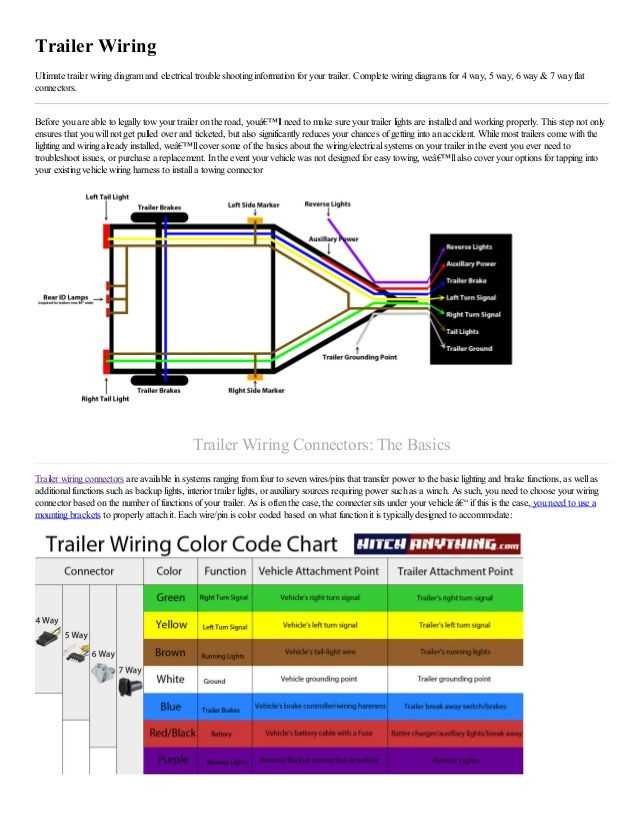
Identify each conductor by color before connecting it to the plug terminals. Typical North American color standards include white for ground, brown for tail lamps, yellow for left indicator and stop function, green for right indicator and stop function. The remaining lead often carries a dedicated brake signal that must combine with the turn signal lines through an adapter.
Secure the ground lead directly to the metal frame of the towed platform using a corrosion-resistant bolt or grounding screw. A weak ground path causes dim tail lamps, flashing problems, or non-working indicators. Clean the metal contact surface before tightening the fastener so current flows without resistance.
Check the lighting functions with a multimeter or test light after completing the connector assembly. Activate turn signals, brake pedal, and running lights on the towing vehicle while verifying voltage at each contact terminal. This quick inspection confirms that each lighting function reaches the rear lamps without cross-connection.
4 Pin 5 Wire Trailer Wiring Diagram Color Codes and Connector Layout Guide
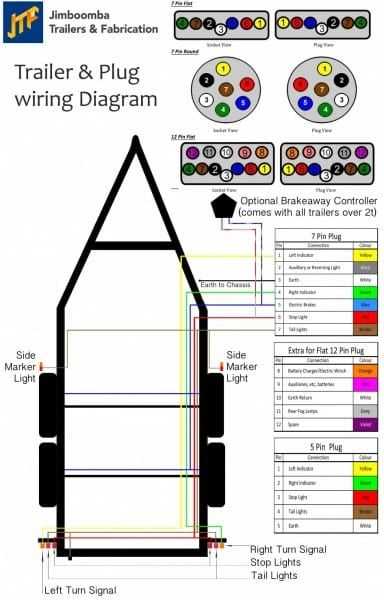
Identify each lighting lead by color before attaching it to the vehicle connector. Standard North American color mapping usually follows this order: white for ground return, brown for running lamps, yellow for left indicator and stop signal, green for right indicator and stop signal. The additional lead often carries an independent brake signal used by some light assemblies.
Use a signal converter module when the vehicle socket provides four contact points but the lighting system includes five separate conductors. This module merges the dedicated brake lead with the left and right indicator circuits so both functions operate correctly through the same contacts.
Attach the ground lead directly to the metal frame of the towed platform. Remove paint or rust around the mounting point and secure the conductor using a stainless bolt or grounding screw. Poor frame contact often causes dim lamps, intermittent turn signals, or complete lighting failure during night driving.
Route the lighting cable along the chassis using protective loom or conduit. Secure the harness every 30–40 cm with metal clips or nylon ties so it does not rub against sharp edges, suspension components, or the hitch assembly.
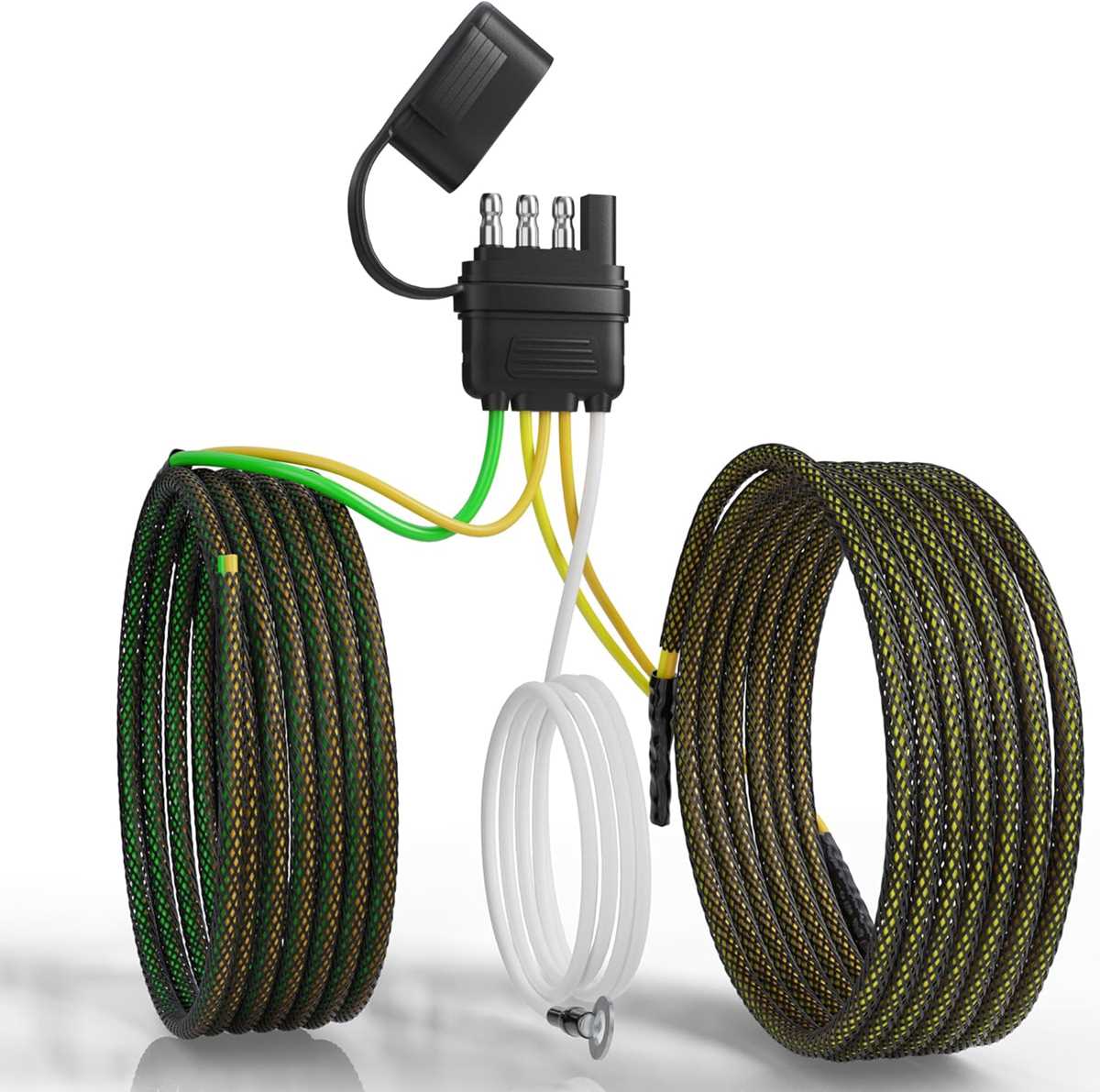
Position the flat vehicle connector so the contact layout matches the color sequence used by the lighting harness. Typical flat connectors arrange the contacts horizontally with the ground path at one edge and the remaining signal paths following in order.
Test each lighting function before towing. Activate the running lights, left indicator, right indicator, and brake pedal on the towing vehicle while measuring voltage at the connector contacts with a multimeter or test lamp. This check confirms that each signal reaches the rear light assemblies without cross-connection.
How to Connect a 4 Pin Trailer Plug to a 5 Wire Lighting System
Install a signal converter that merges the dedicated brake lead with the left and right indicator circuits. Many towing vehicles supply four contacts while the light harness from the towed platform includes five conductors. The converter combines stop and indicator signals so the lighting functions operate through the flat four-contact connector.
Identify each conductor before attaching it to the converter module:
- White – ground return connected to chassis
- Brown – tail and running lamps
- Yellow – left indicator signal
- Green – right indicator signal
- Red – independent brake signal from the light assembly
Connect the ground conductor directly to the metal frame using a bolt and star washer. A clean metal surface improves electrical contact and prevents flickering lamps.
Attach the remaining conductors to the converter inputs following the module label. Typical order:
- Left indicator lead to the yellow input
- Right indicator lead to the green input
- Running light lead to the brown input
- Brake lead to the red input on the converter
Route the converter output leads to the flat four-contact plug mounted near the hitch receiver. Protect the harness with split loom tubing and secure it along the frame using clips or cable ties placed roughly every 30 cm.
Verify lamp operation after completing the connections. Activate the running lights, both indicators, and the brake pedal on the towing vehicle while observing the rear lamps. Each function should illuminate without dimming or cross-signal behavior.