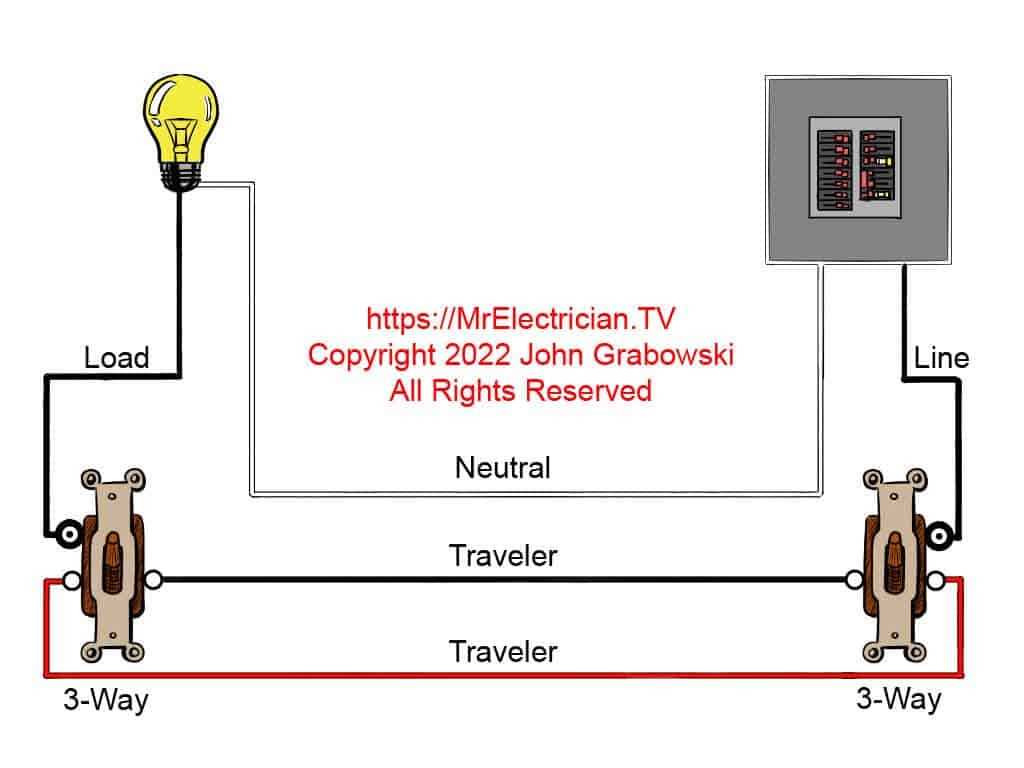
Connect the incoming hot conductor to the common terminal on the first control device. Use a voltage tester to confirm the line before attaching wires, ensuring correct polarity and preventing accidental shorts.
Run two insulated conductors between both control points to serve as traveler paths. Attach them to the brass-colored screws on each device and keep them separate from the conductor leading directly to the lighting fixture. This setup allows both locations to operate the lamp independently.
Secure the conductor leading to the lamp to the load terminal on the second control unit. Maintain neutral conductors tied together in the fixture box and do not connect them to the wall-mounted devices unless the model specifically requires it. Proper grounding to metal boxes or green screws prevents shock hazards and supports reliable operation.
Before finalizing installation, test each conductor with a multimeter. Verify that the line, travelers, and load are correctly identified, and confirm that the light responds to both control points. Accurate identification prevents operational issues and ensures consistent lighting control across both locations.
Single Conductor Connections and Terminal Setup for a 3 Way Control Installation
Attach the incoming line conductor to the common terminal on the first control unit. Confirm voltage with a tester before making the connection to prevent short circuits and ensure correct polarity.
Identify the two traveler conductors that run between both control locations. Connect each to the brass-colored terminals on the first device and route them to the corresponding terminals on the second device. Ensure they remain separated from the conductor leading directly to the lighting fixture.
Connect the conductor supplying the lamp to the load terminal on the second control device. Verify that the fixture neutral remains tied to the panel neutral and does not attach to wall-mounted devices unless specifically required by the model.
Secure all connections with listed wire nuts and check that no insulation is nicked or stripped excessively. Proper mechanical attachment prevents loose connections that can cause flickering or intermittent operation.
Bond all metal enclosures and attach the protective conductor to green grounding screws on both devices. This ensures a continuous safety path and reduces the risk of electric shock in case of a fault.
Label each conductor with its corresponding terminal, using colored tape or markers.
- Red or black for line
- Black and red for travelers
- White for neutral
Accurate labeling simplifies maintenance and troubleshooting later.
Test each connection with a multimeter before finalizing installation. Verify continuity from the line conductor to the lamp through both control points, confirming that each device can independently operate the light.
After confirming correct operation, carefully insert the devices into their boxes, secure mounting screws, and attach wall plates. Recheck that traveler and load conductors are not pinched and that grounding remains intact. Proper assembly ensures long-term reliable operation without interference or shorts.
Identifying Common and Traveler Terminals on a 3 Way Control Device
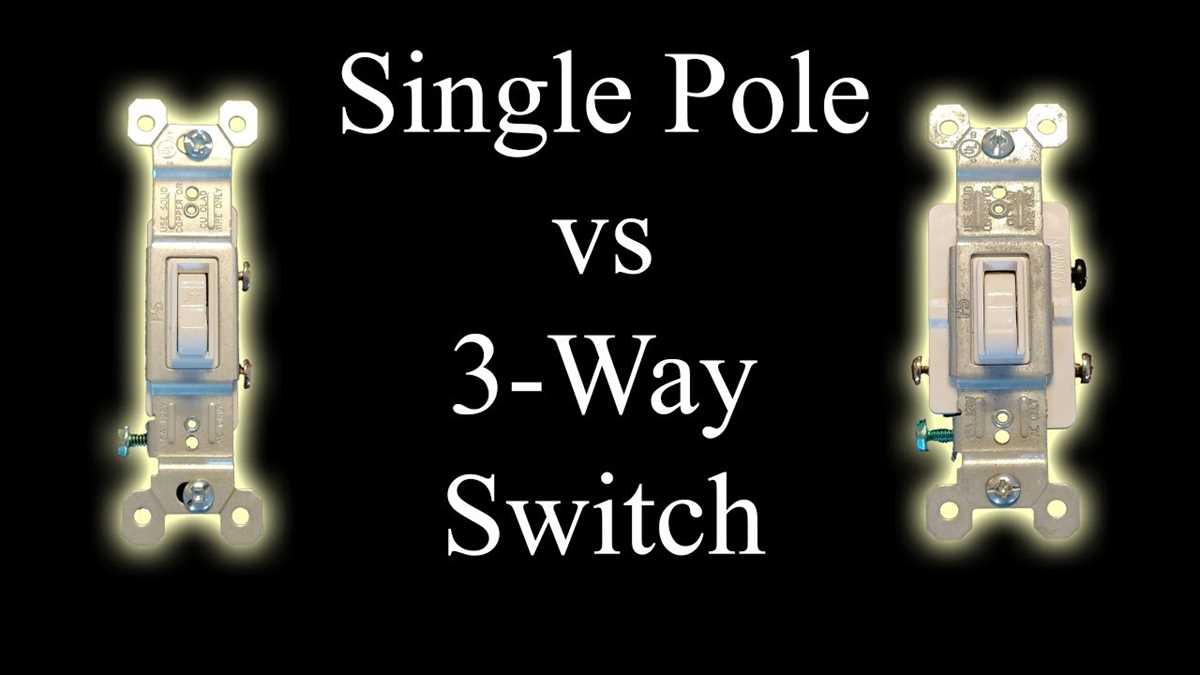
Locate the common terminal first, usually marked with a darker screw or labeled COM. Connect the incoming line conductor from the electrical panel to this terminal, as reversing it with the traveler terminals can cause the lighting load to operate incorrectly or only from one location.
Identify the two traveler terminals by their brass-colored screws. Attach the two insulated conductors that link both control points to these terminals, ensuring each conductor reaches the matching screw on the opposite device. Proper identification guarantees that both locations can independently operate the lamp without interference or flickering.