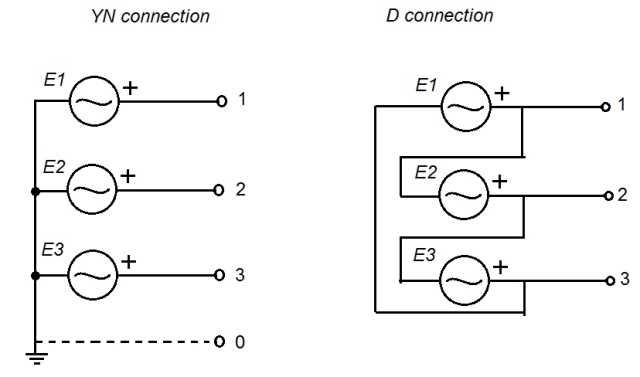
Use copper windings with insulation rated for at least 600V to handle continuous load and prevent short circuits. Ensure wire gauge matches expected current, typically 10–12 AWG for 15–20A outputs per coil.
Arrange stator windings in a star or delta configuration to balance voltage across all output lines. Star connections reduce line-to-neutral voltage stress, while delta setups improve load tolerance for motor applications.
Connect the rotor through slip rings or brushless excitation to maintain consistent magnetic flux. Use low-resistance connections to minimize voltage drops and reduce heat generation at high rotational speeds.
Install protective fuses and surge suppression on all three output lines. Fuses rated slightly above the maximum load current prevent damage during transient spikes, and metal oxide varistors absorb voltage surges.
Check all connections with a multimeter before energizing. Measure continuity, resistance, and insulation integrity to prevent shorts or unbalanced loads during initial testing.
Test output with a resistive load to verify line voltages are within 2% of nominal. Monitor temperature at winding junctions and slip rings to confirm thermal stability under sustained operation.
Adjust mechanical alignment and tension on the rotor to reduce vibration and mechanical wear. Proper alignment ensures uniform magnetic coupling and maintains consistent voltage across all three lines.
Three Wire Alternator Layout for Balanced Electrical Output
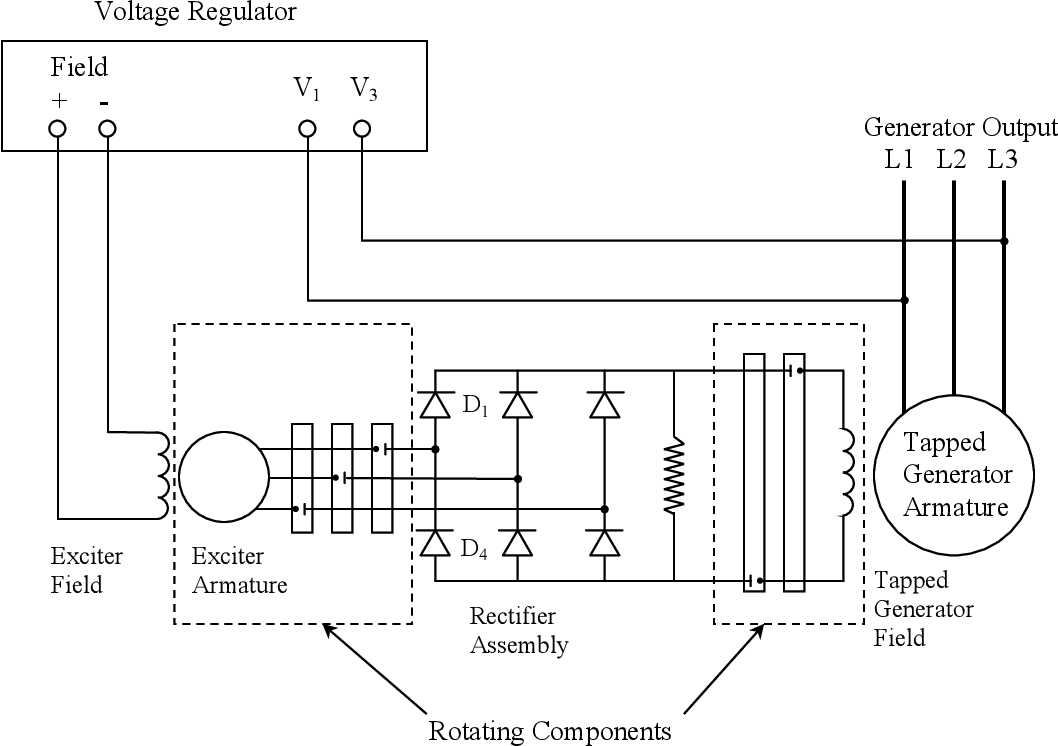
Arrange stator windings in a compact star or delta configuration to maintain equal voltage distribution across all lines. Use insulated copper conductors with sufficient gauge to handle expected load currents, and ensure connections are soldered or bolted with minimal resistance.
Position the excitation rotor centrally and connect through low-resistance slip rings or brushless modules to sustain uniform magnetic flux. Route all output lines symmetrically and avoid crossing to reduce interference and uneven heating, while keeping protective devices like fuses and surge suppressors close to terminals.
Selecting Suitable Components for Voltage and Current Ratings
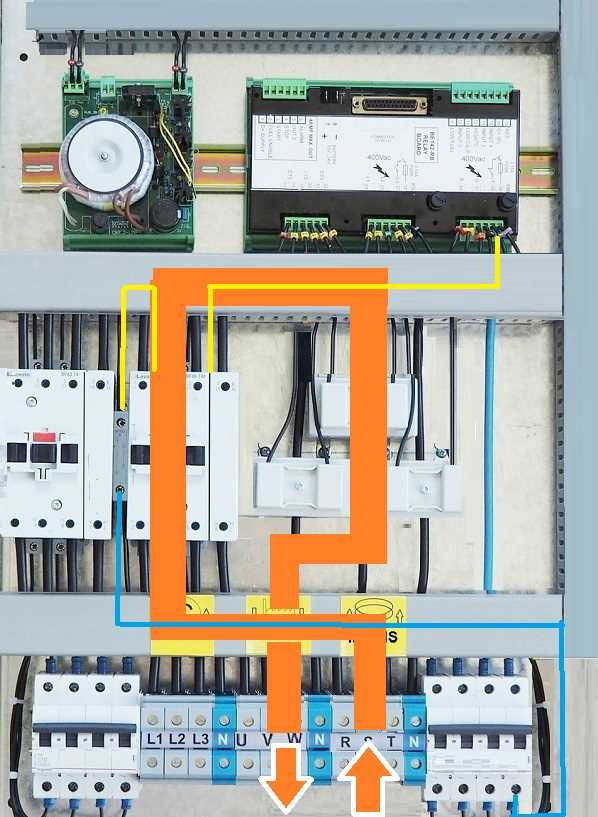
Use insulated copper wires with voltage ratings at least 20–30% above maximum line values to prevent breakdown under transient loads. Choose wire gauges according to expected current: 12 AWG for 15A, 10 AWG for 20A, and 8 AWG for 30A or higher to reduce voltage drops and heating.
Verify all protective devices and switching elements for both continuous and surge currents. Fuses should exceed nominal load by 10–15% but remain below component thermal limits. Select diodes, contactors, or relays rated for peak voltages above the maximum line-to-line values and ensure their thermal dissipation matches expected duty cycles.