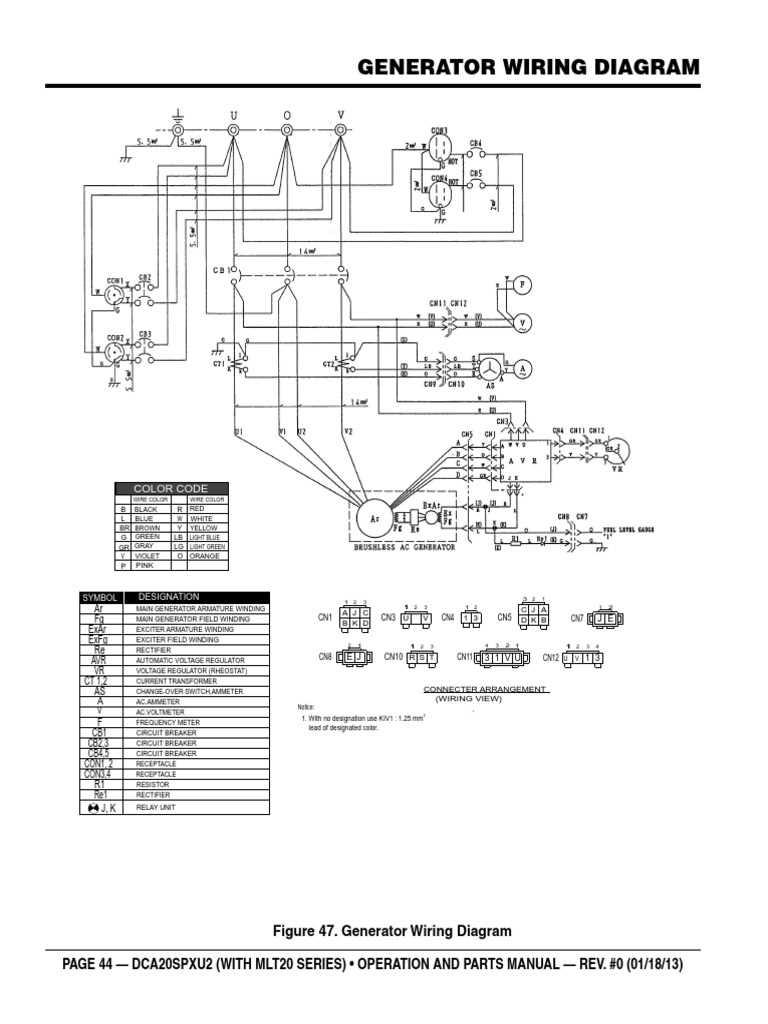
Use a split-phase layout with two hot conductors, one neutral, and a grounding line when connecting a portable power unit that supplies 120/240-volt output. The two hot lines carry opposite phases from the alternator windings, each delivering about 120 volts relative to neutral while producing 240 volts between them. This configuration powers equipment such as well pumps, shop tools, compressors, and electric heaters that require higher voltage.
A typical portable power source designed for this output includes terminals labeled L1, L2, N, and G. L1 and L2 are the phase conductors that create the higher voltage across the load. Neutral returns current for 120-volt circuits, while the grounding line connects the frame and connected equipment to a safety path. Many units also include a double-pole breaker rated between 20 and 50 amps, protecting the outlet circuit from overload.
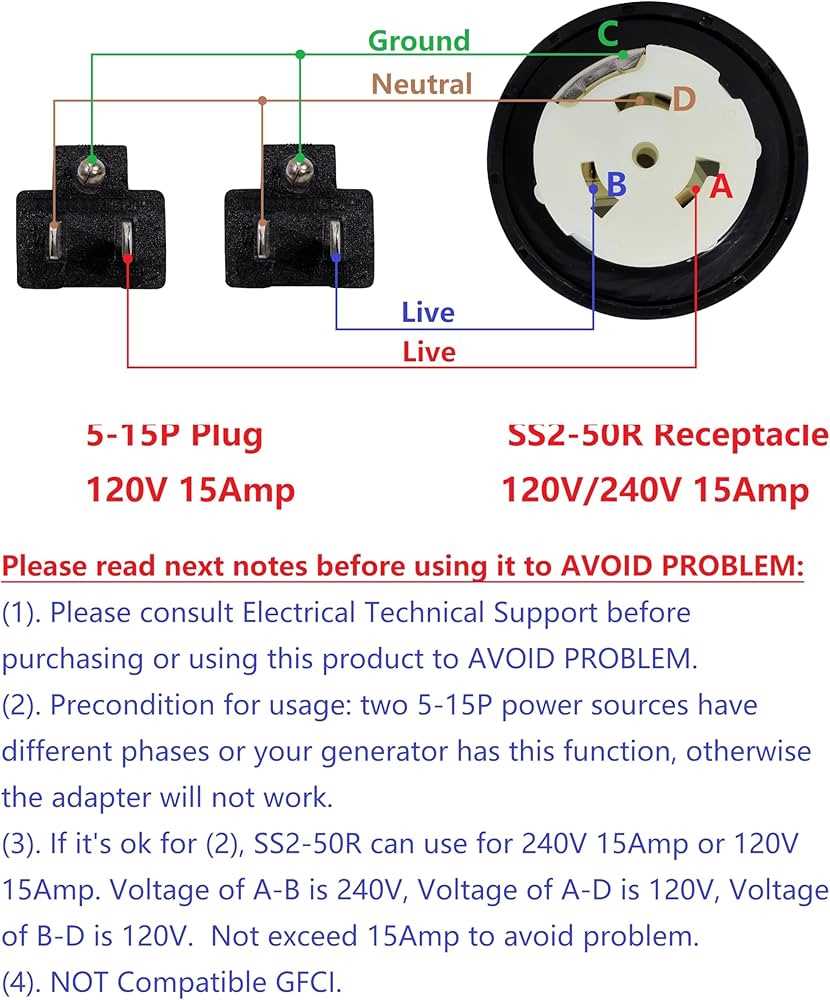
Accurate connection of these conductors prevents phase imbalance and equipment damage. For example, a common outlet used with portable power sources is the NEMA L14-30 twist-lock receptacle. It carries two hot lines, neutral, and ground through a four-prong connector rated for 30 amps. Matching the cable gauge to the current rating matters as well: a 30-amp circuit typically uses 10 AWG copper conductors, while a 50-amp outlet usually requires 6 AWG.
Home backup setups often route the output through a transfer device connected to the distribution panel. This hardware isolates the utility supply while allowing selected circuits to receive power from the portable unit. Correct terminal mapping–L1 to one bus bar, L2 to the second bus bar, neutral to the neutral bar, and ground to the grounding bar–keeps both 120-volt and 240-volt loads supplied without cross-phase faults.
The sections below explain conductor layout, outlet pin assignments, breaker protection, and panel connections used with portable power equipment that delivers split-phase output.
240V Generator Wiring Diagram for Split Phase Output Outlets and Transfer Switch Setup
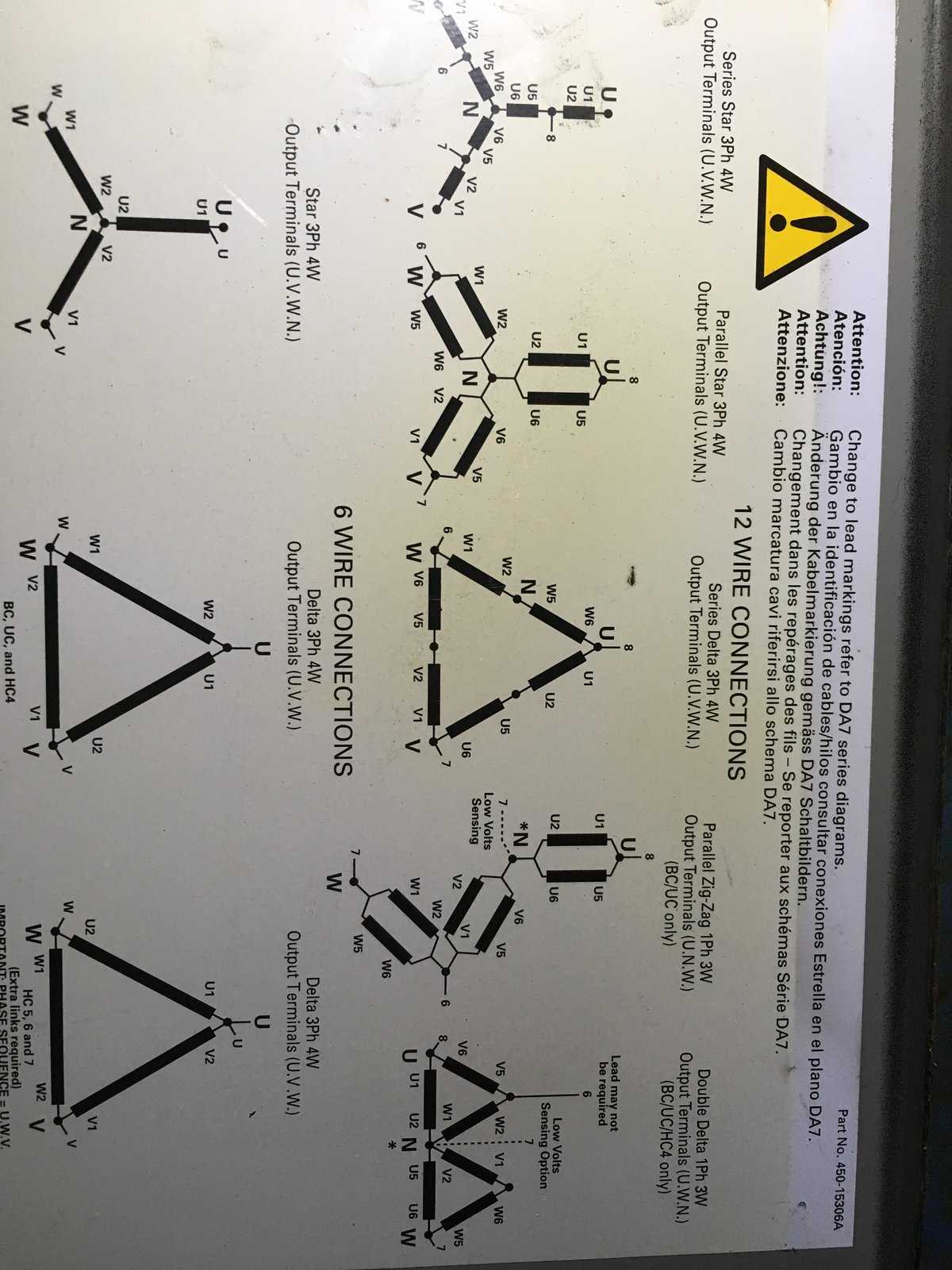
Connect the alternator output using a four-conductor layout with two hot lines, a neutral return, and a grounding path. Terminals marked L1 and L2 deliver opposite phases from the stator windings, producing about 120 volts to neutral and roughly 240 volts between the two hot lines. Route these conductors to a four-pin receptacle such as NEMA L14-30 or 14-50. Use copper cable sized for the outlet rating: 10 AWG for 30-amp circuits or 6 AWG for 50-amp service. Install a double-pole breaker on the output lines so both phases disconnect simultaneously during overload.
Feed the two phase conductors into the transfer device that isolates the building panel from the utility supply. L1 connects to one bus input and L2 to the second, while neutral terminates on the neutral bar and the grounding conductor bonds to the ground bar. Inside the panel this arrangement distributes each phase across alternating breaker slots, allowing appliances such as deep well pumps, shop machinery, and electric ranges to draw the full cross-phase voltage while standard branch circuits continue receiving 120-volt power from either leg.
Understanding 120 240 Split Phase Output in Portable Generators and Terminal Layout
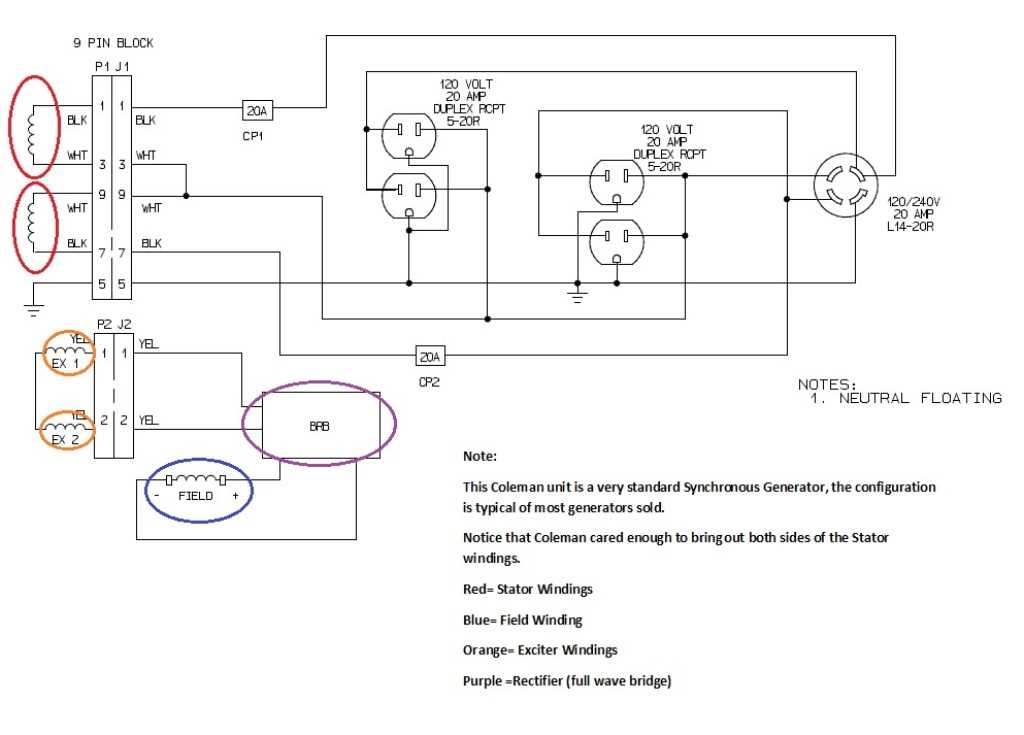
Use the two hot conductors from the alternator stator to obtain split-phase output. Each line provides about 120 volts relative to neutral, while the potential difference between the two lines reaches roughly 240 volts. This arrangement allows one power unit to run both standard household loads and high-voltage equipment such as deep-well pumps, air compressors, and electric heaters.
The stator typically contains two windings connected in series with a center tap. That center tap becomes the neutral conductor. One end of the first winding forms L1, the opposite end of the second winding forms L2. Because the magnetic field induces opposite polarity in each half of the coil, the phase angle between L1 and L2 is 180 degrees. Measuring with a multimeter shows about 120 volts from L1 to neutral, 120 volts from L2 to neutral, and about double that between L1 and L2.
Locate the output terminals on the control panel before connecting any load. Most portable power units label the posts clearly: L1, L2, N, and G. L1 and L2 feed double-pole outlets such as NEMA L14-30 or 14-50. Neutral carries return current for 120-volt circuits, while the ground terminal bonds the frame and connected equipment. Keep the grounding conductor attached to the metal frame to maintain a safe fault path.
Check conductor size against the outlet rating. A 30-amp four-prong receptacle normally uses 10 AWG copper leads, while 50-amp connections require 6 AWG. Double-pole circuit breakers mounted on the panel interrupt both phase lines simultaneously. This protection prevents overheating if a load exceeds the rated current or if a short develops across the two hot conductors.
Balanced loading across both phases helps maintain stable output. For example, running several 120-volt tools from only one leg forces that half of the stator to carry more current. Distribute branch loads between L1 and L2 so each winding handles similar current levels. This practice reduces heat buildup inside the alternator and maintains steady voltage across connected equipment.