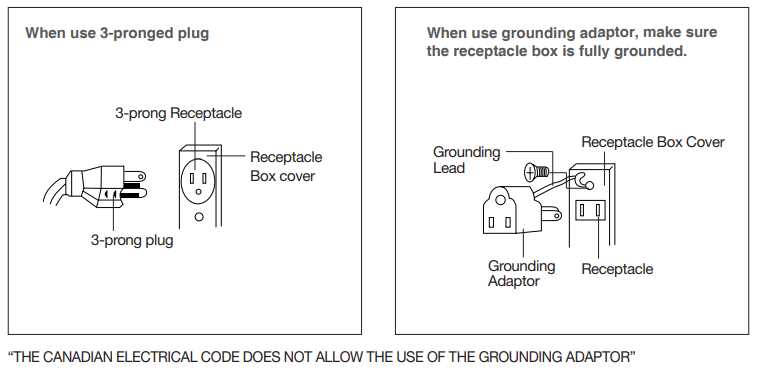
Ensure the live conductor is attached to the correct brass terminal while the neutral conductor secures to the silver-colored contact for stable current flow and reduced risk of short circuits.
Use a flathead screwdriver to tighten screws to a torque of approximately 0.4–0.5 Nm, avoiding over-tightening that can damage the metal contacts or loosen the connection over time.
Strip insulation precisely 6–8 mm from each conductor end, preventing exposed copper from touching neighboring surfaces and maintaining proper isolation.
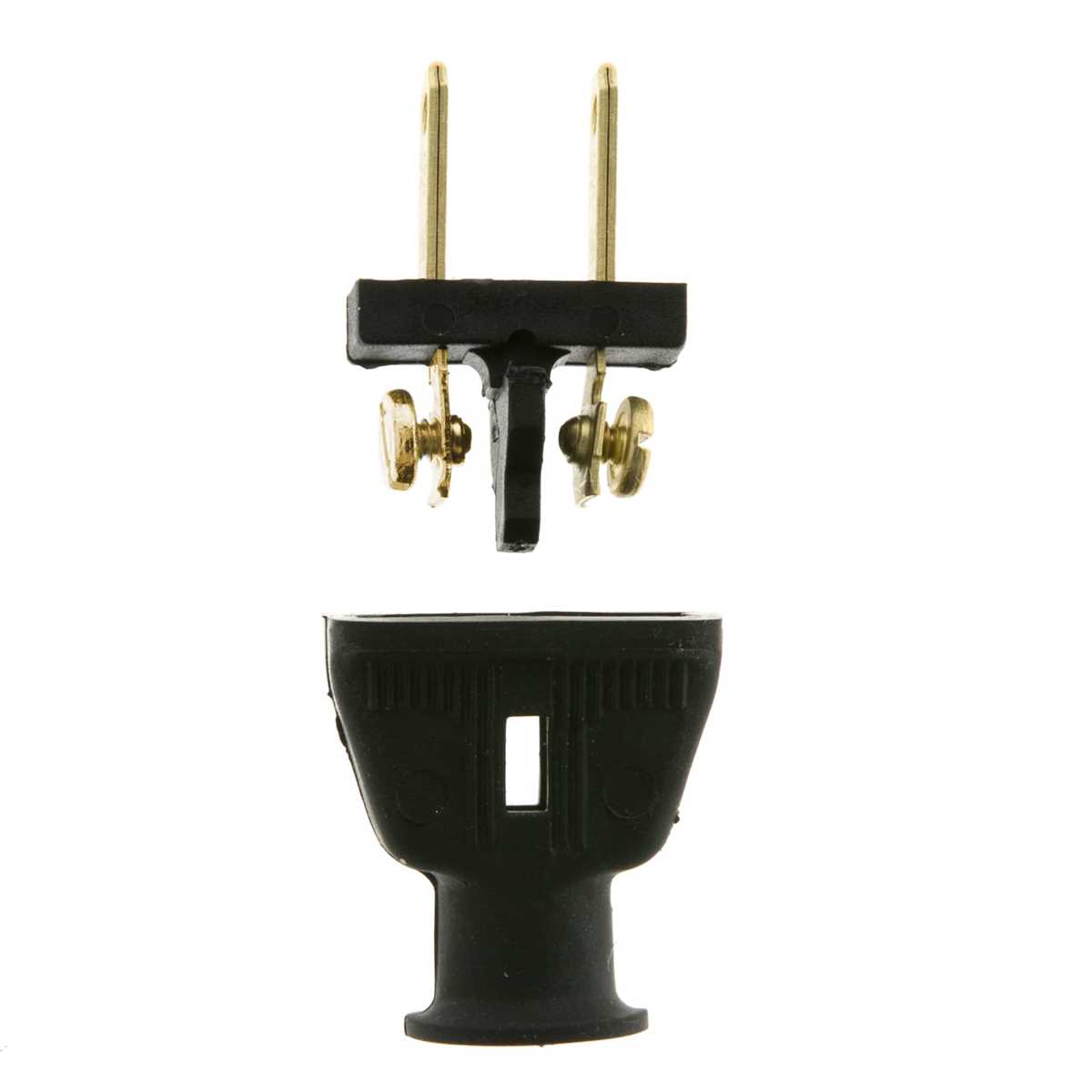
Confirm that the connector housing is fully seated and aligned, with no bending or crossing of wires which could cause intermittent contact.
After securing connections, test continuity with a multimeter across the terminals to verify proper electrical flow before introducing live voltage.
2 Prong Plug Connection and Setup Guide
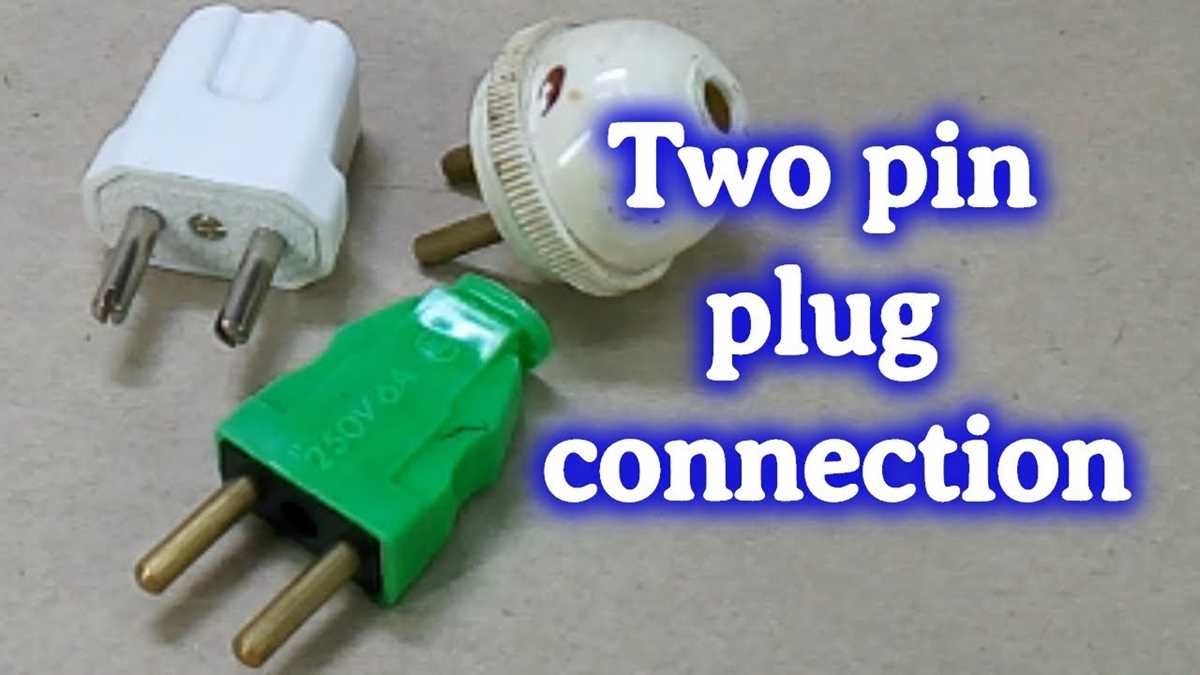
Attach the live wire to the brass-colored terminal and the neutral wire to the silver-colored contact, ensuring that each conductor is fully inserted into its slot to maintain stable electrical flow.
Strip insulation to approximately 6–8 mm, avoiding excess exposure of copper that could create short circuits or contact with metal surfaces. Check for fraying and twist strands tightly before insertion.
Tighten terminal screws to around 0.4–0.5 Nm, making sure wires remain straight and do not bend under the screw head to prevent loose connections. Verify that the housing fully encloses the terminals without pinching conductors.
Test the assembly with a multimeter for continuity and polarity, confirming correct setup before applying power to reduce the risk of faults or electrical hazards. Recheck connections after initial testing to ensure durability.
Identifying Hot and Neutral Terminals on a 2 Prong Plug
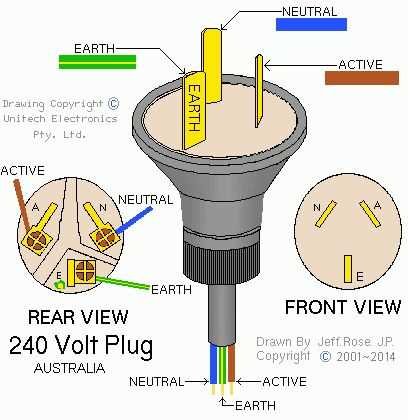
Locate the brass-colored slot for the live conductor and the silver-colored slot for the neutral line. Ensure each wire is securely seated in its designated terminal to prevent incorrect polarity that could damage devices.
Check for markings or small letters molded into the body, such as L for hot and N for neutral, which indicate proper orientation. Use a voltage tester to confirm the hot line before completing the connection to reduce risk of shock.
Verify that the insulation extends up to the terminal, leaving only the necessary conductor exposed. Maintain separation between terminals to avoid short circuits and ensure consistent contact under load.