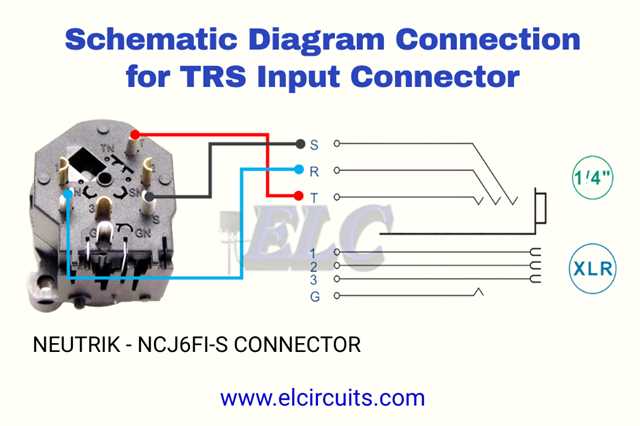
Connect the shield conductor to pin 1, the positive signal line to pin 2, and the negative signal line to pin 3. This pin arrangement forms the standard balanced audio configuration used in microphones, mixing consoles, and studio equipment. Reversing the signal pair may cause phase inversion or increased noise.
Use a three-conductor shielded cable with two insulated signal cores and a braided or foil shield. The shield carries ground and protects the signal pair from electromagnetic interference produced by power lines, lighting dimmers, or radio transmitters. Cable types with 24 AWG to 22 AWG conductors are common for microphone connections.
Solder the conductors to the connector pins using a temperature around 350–370°C with rosin-core solder. Apply heat briefly to prevent melting internal insulation or deforming the connector insert. After soldering, secure the cable clamp inside the connector housing so mechanical tension does not pull on the solder joints.
Maintain consistent color mapping across all cables in a system. A common arrangement uses red for positive signal, blue or white for negative signal, and the braided shield for ground. Consistency prevents polarity mistakes when connecting microphones, audio interfaces, or stage equipment.
XLR Jack Wiring Diagram for 3 Pin Balanced Audio Cable Connections
Attach the cable shield to pin 1, connect the positive audio conductor to pin 2, and solder the negative signal conductor to pin 3. This three-pin arrangement forms the standard balanced connection used in microphones and professional audio equipment. The shield acts as ground and reduces electromagnetic interference from nearby power cables or stage lighting.
Use a two-core shielded microphone cable with conductor sizes around 22–24 AWG. Strip about 15–20 mm of the outer insulation, twist the braided shield into a single lead, and tin all conductors before soldering them to the connector contacts. Keep soldering temperature around 350°C and apply heat briefly to prevent melting the internal plastic insert. Maintain short conductor lengths inside the connector body so the clamp can secure the outer jacket rather than the signal cores.
Verify polarity after assembly using a continuity tester. A correct connection keeps pin numbers identical at both cable ends, which preserves phase alignment between microphones, mixers, and audio interfaces. Incorrect polarity can cause partial signal cancellation when two microphones capture the same source. Tighten the strain relief and metal shell firmly so mechanical tension from stage movement does not stress the solder joints.
XLR Jack Wiring Diagram Pin 1 Ground Pin 2 Hot and Pin 3 Cold Connections
Solder the cable shield to pin 1, connect the positive audio conductor to pin 2, and attach the negative signal line to pin 3. This three-contact configuration forms the balanced audio interface used in microphones, mixers, stage boxes, and studio equipment.
Pin 1 carries the ground reference and connects directly to the cable shield. The shield protects the audio pair from electromagnetic noise generated by power transformers, dimmers, and radio transmitters. Maintaining a solid ground connection reduces hum and interference inside recording or live sound systems.
Pin 2 transports the positive audio signal often labeled hot. During operation this conductor carries the waveform in its normal polarity. Audio equipment expects this orientation, so maintaining consistent polarity across cables prevents phase reversal in multi-microphone setups.
Pin 3 carries the inverted signal path known as cold. Balanced audio systems transmit the same signal on two conductors with opposite polarity. At the receiving device, a differential amplifier subtracts the signals and cancels external noise captured along the cable length.
Use a shielded microphone cable with two internal conductors typically sized between 22 AWG and 24 AWG. Strip roughly 15 mm of the outer jacket, twist the braided shield into a single ground lead, and tin all wires before soldering them to the connector pins.
Keep solder joints short and clean using a temperature around 350°C. Excess heat can deform the plastic contact carrier inside the connector. Apply solder only until the joint forms a smooth cone around the conductor.
After assembly, confirm continuity using a multimeter. Pin numbers must match at both cable ends so ground connects to ground, positive to positive, and negative to negative. Tighten the strain relief clamp firmly so tension from pulling the cable transfers to the outer jacket rather than the internal conductors.