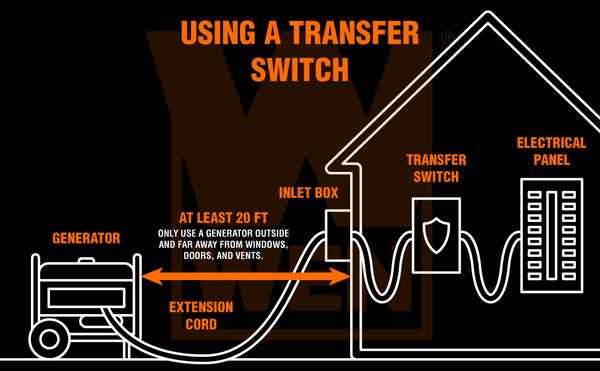
Identify the main power sources and emergency backup lines before beginning any connections. Label each terminal clearly and verify voltage levels to avoid misrouting current.
Use heavy-gauge conductors for high-current paths to minimize voltage drop and heat buildup. Ensure all connectors are rated for the maximum load and securely fastened.
Separate control wiring from high-current cables to prevent interference. Route signal lines along a different path or conduit to maintain operational stability and accurate sensing.
Include protective devices such as fuses or breakers near each input and output. Confirm ratings match expected load conditions and test tripping mechanisms to guarantee safety under overload scenarios.
Document the layout and connection sequence with clear notes or labeling. This practice simplifies future maintenance, troubleshooting, and ensures consistent operation across all switching events.
Selecting the Right Transfer Switch and Components
Determine the total load requirements by calculating the combined amperage of all devices that will receive backup power. Select a switching unit with a capacity at least 25% higher than the calculated load to accommodate surges.
Choose between manual and automatic operation based on system demands. Manual units are suited for small installations with infrequent activation, while automatic models respond instantly to source failure, reducing downtime.
Verify voltage compatibility with both primary and backup sources. Mismatched ratings can cause overheating or permanent damage to connected equipment.
Inspect the enclosure rating and environmental protection. For outdoor installations, select units with NEMA 3R or higher to withstand moisture, dust, and temperature fluctuations without compromising safety.
Select components such as connectors, fuses, and bus bars rated above maximum expected load. High-quality terminals reduce resistance and heat buildup, improving long-term reliability.
Evaluating Auxiliary Features
Consider additional features like load shedding, surge suppression, and status indicators. These enhancements improve operational control and protect sensitive electronics from voltage spikes.
Planning for Maintenance and Expansion
Choose modular components that allow easy replacement and system upgrades. Document specifications and keep spare parts accessible to reduce downtime during repairs or future capacity increases.
Step-by-Step Connection of Input and Output Lines
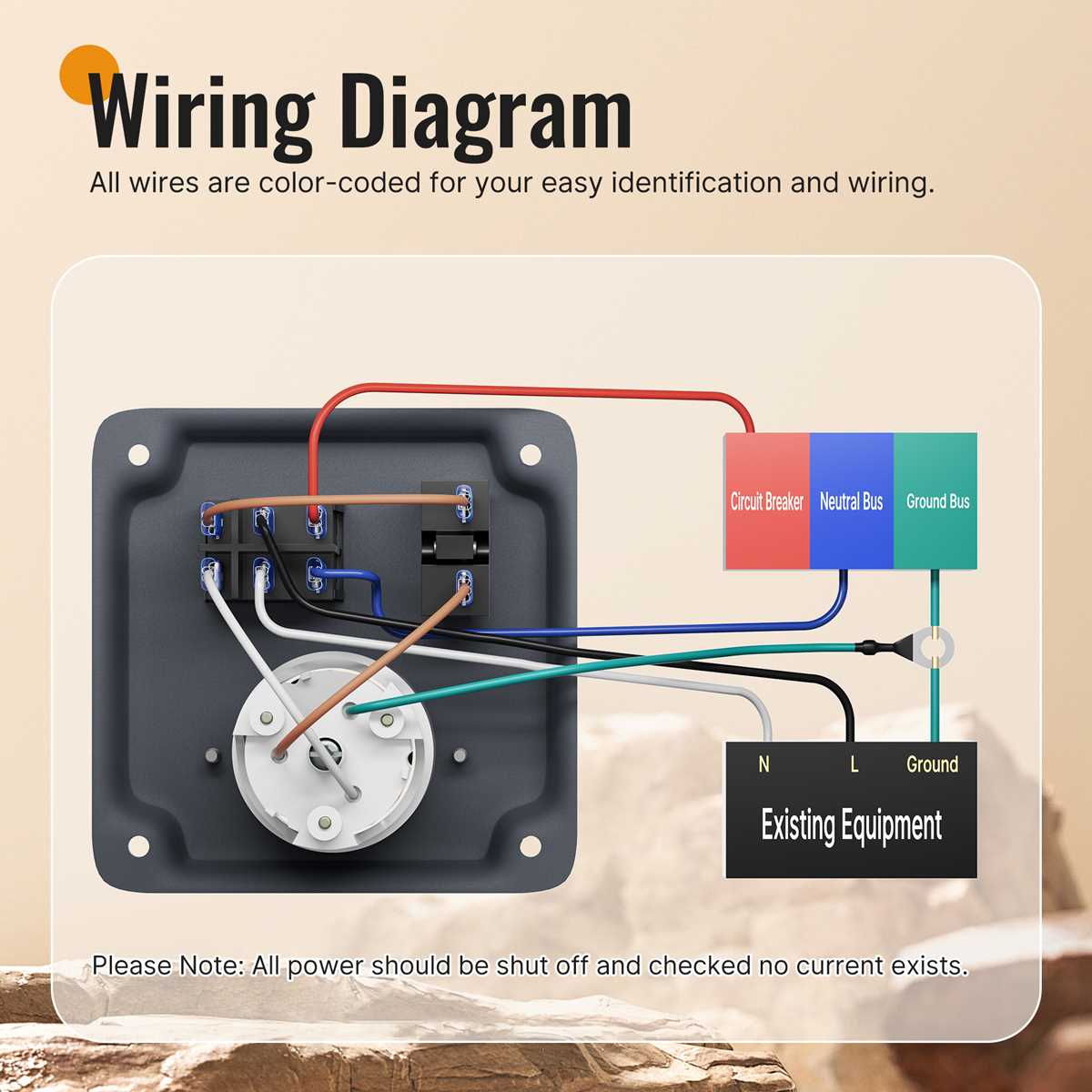
Begin by identifying the main power source terminals and labeling all input conductors. Ensure each cable is rated for the maximum current expected and confirm voltage compatibility with the switching unit.
Route input lines through proper conduit or cable trays to minimize exposure to heat, moisture, and mechanical damage. Avoid sharp bends that could compromise insulation or create excessive stress on connectors.
Connect the neutral and ground conductors first to maintain safety during subsequent connections. Tighten all terminal screws to manufacturer torque specifications to prevent overheating and arcing.
Attach line conductors to the designated input lugs in a sequential order. Verify phase orientation using a phase rotation meter to prevent reverse connection that could damage downstream devices.
Output Connections and Load Distribution
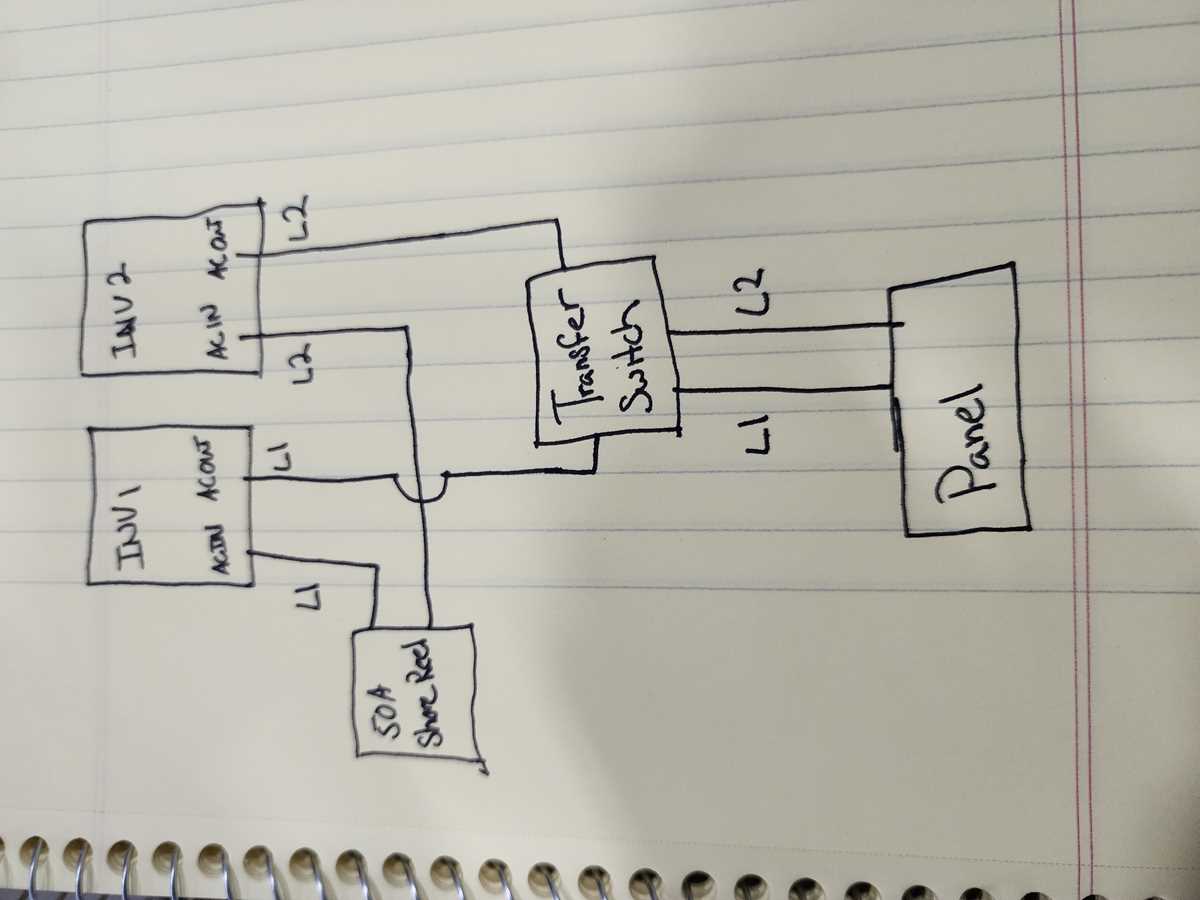
Use appropriately sized cables from output terminals to each branch circuit. Clearly mark circuits to match panel labeling, ensuring accurate identification during operation and maintenance.
Install overcurrent protection devices such as fuses or breakers inline with each output conductor. Confirm trip ratings correspond with connected equipment to prevent nuisance tripping while maintaining safety.
Final Verification and Testing
Double-check all connections with a multimeter for continuity and correct polarity. Perform an operational test under no-load conditions before applying full load to confirm proper switching and isolation.
Document all conductor paths and terminal identifications for future reference. Maintain a clear schematic and inspection records to facilitate troubleshooting and compliance with electrical standards.
Testing Functionality and Ensuring Safety Compliance
Verify all input and output connections before energizing the system. Use a multimeter to confirm proper voltage levels and continuity along each conductor, ensuring no shorts or open paths exist.
Engage the switching mechanism under controlled conditions and observe the transition between power sources. Check that load circuits remain stable without voltage drops or transient spikes during the operation.
Inspect all grounding points and protective conductors. Measure resistance to ground with an earth tester, confirming it falls within acceptable limits to prevent shock hazards and equipment damage.
Test all overcurrent protection devices including breakers and fuses. Simulate overload conditions to ensure they trip reliably and protect downstream circuits according to rated specifications.
Examine insulation integrity of all conductors and terminals using a megohmmeter. Insulation resistance should meet manufacturer standards to avoid leakage currents and potential fire risks.
Document test results including voltage readings, trip times, and grounding resistance. Maintain records as proof of compliance with national electrical codes and safety regulations.
Schedule periodic functional checks and inspections to sustain reliability. Re-test the system after maintenance or modifications to confirm ongoing safety and operational integrity.