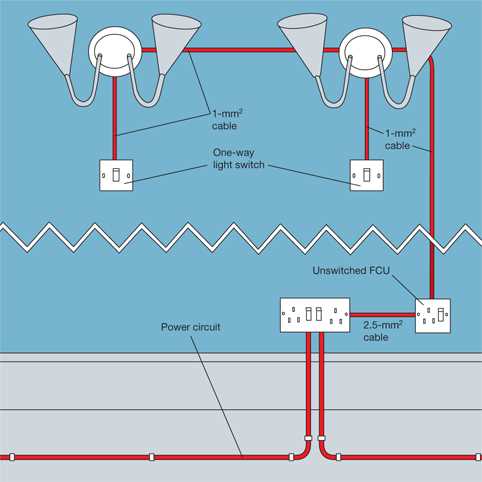
Before starting any electrical installation, ensure you have the necessary tools and parts. A standard electrical fixture typically requires a few basic items: a fixture base, wire connectors, and an appropriate cable to carry power to the socket. Check that the wires are rated for the correct voltage and are properly insulated to prevent any accidents.
The most critical step is properly connecting the live wire to the appropriate terminal on the fixture. Ensure the neutral wire is also securely connected, making sure that no part of the wiring is exposed to prevent accidental contact. The ground wire should always be attached to the ground terminal to ensure safety.
When working with electricity, it’s important to always follow safety precautions. Turn off the power supply to the circuit at the breaker before starting. Always verify that the current is not flowing by using a voltage tester. Finally, double-check all connections for tightness and accuracy to prevent potential short circuits or electrical hazards.
Wiring a Light Socket Diagram
Begin by ensuring the power is switched off at the breaker box to avoid any accidental shocks. Use a voltage tester to confirm that the circuit is completely de-energized before handling any electrical parts. Safety is the top priority when dealing with electrical installations.
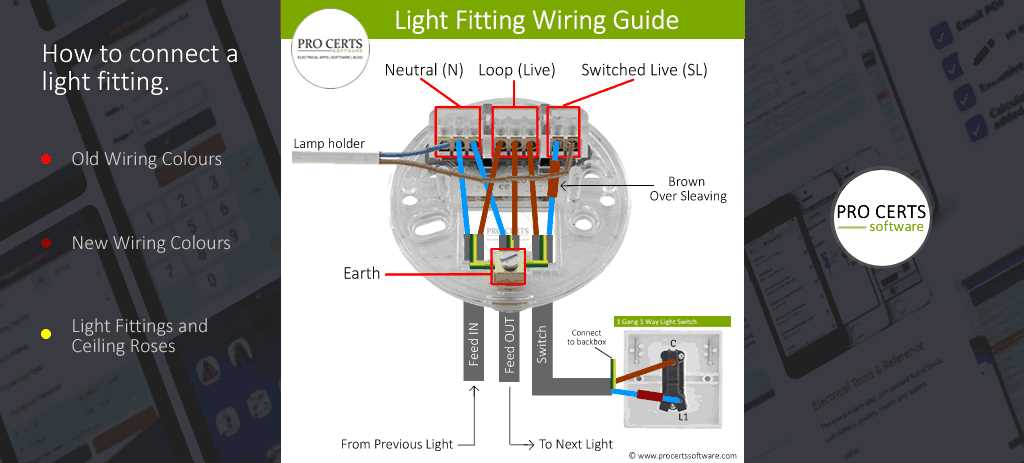
Identify the wires that need to be connected to the fixture. You will typically encounter a live wire, a neutral wire, and a ground wire. The live wire brings power to the fixture, the neutral wire carries current away, and the ground wire is a safety measure to prevent electrical faults from causing hazards.
To start, attach the live wire to the brass terminal of the fixture. This terminal is often marked with the letter “L” or may be identified by its color. Make sure the wire is securely twisted or clamped in place to avoid loose connections.
Next, connect the neutral wire to the silver terminal. The neutral terminal is often indicated with the letter “N” and is critical for completing the electrical circuit. As with the live wire, ensure this connection is secure and free from any exposed wiring.
After securing the live and neutral wires, proceed to attach the ground wire. This wire should be attached to the green screw or terminal. Grounding is vital for your safety, as it directs any stray electricity safely to the earth in case of a fault in the fixture.
Once all the connections are made, carefully inspect the fixture to ensure that no wires are exposed and that all connections are tight. Exposed wires can lead to electrical short circuits, while loose connections can result in poor functionality or even fire hazards.
Now, you can mount the fixture to its designated location. Secure it properly, and ensure that the fixture is stable and safely positioned. The wiring must be correctly insulated, and the entire assembly should be free from any obstruction that might interfere with its operation.
Finally, turn the power back on at the breaker and test the circuit. If the fixture works as expected, then the installation is complete. If there are any issues, double-check the wiring connections and ensure everything is connected as per the guidelines provided. A faulty connection could lead to a malfunction, so careful attention to detail is key.
Understanding the Components Needed for Wiring a Light Socket
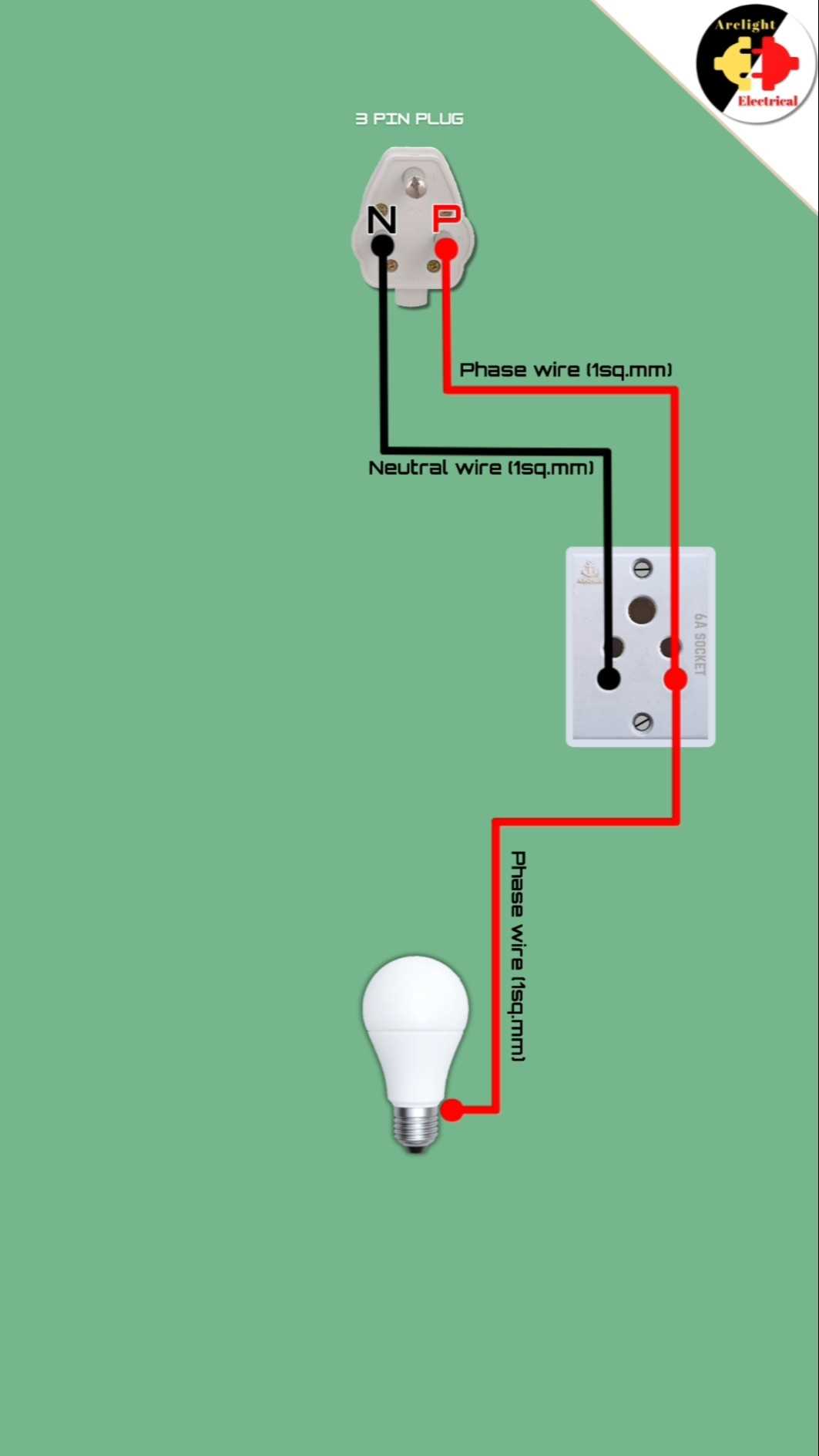
Before starting any electrical installation, it’s important to have a complete understanding of the components you’ll be using. The key parts for connecting a fixture typically include a base, terminals, and the proper connectors. The base holds the fixture and provides the necessary connections for power. Make sure to choose a sturdy and safe base that suits the type of bulb and electrical load you plan to use.
The terminal connectors are used to securely attach the electrical wires. Typically, there are two types: screw terminals and push-in terminals. Screw terminals are more secure as they ensure a tighter grip on the wire, preventing potential loose connections that could cause sparking or heat buildup. Push-in terminals are faster to use but not always as reliable, especially in high-stress or high-heat environments.
Next, you’ll need wire connectors, such as wire nuts or crimp connectors. These are crucial for safely joining multiple wires and preventing any exposed conductive material. Wire nuts twist onto the exposed ends of the wires to form a secure bond, while crimp connectors are pressed onto the wires using a special tool. Both types of connectors ensure that the connection is safe and insulated, reducing the risk of short circuits or electrical fires.
Another component is the grounding mechanism. Most installations require grounding to protect the user from electrical faults. For this, you will need a ground wire, usually green or bare copper, which is connected to the metal parts of the fixture and then attached to the ground terminal. This wire directs any stray electricity to the earth, preventing shocks.
Ensure you have the correct gauge of wire for the job. For standard installations, 14 or 12-gauge wire is commonly used. The gauge determines how much current the wire can safely carry. Thicker wires, like 12-gauge, are suitable for higher wattage and longer distances, while 14-gauge works well for smaller installations. Always check the fixture’s wattage rating to ensure you are using the correct gauge wire to handle the load.
Lastly, you will need tools for cutting, stripping, and securing the wires. A wire stripper is necessary for removing insulation from the wires, exposing the copper so it can be connected to the terminals. A pair of pliers is helpful for twisting wires together or securing them in place. If you need to cut the wires to the correct length, use a wire cutter to ensure clean and safe cuts.