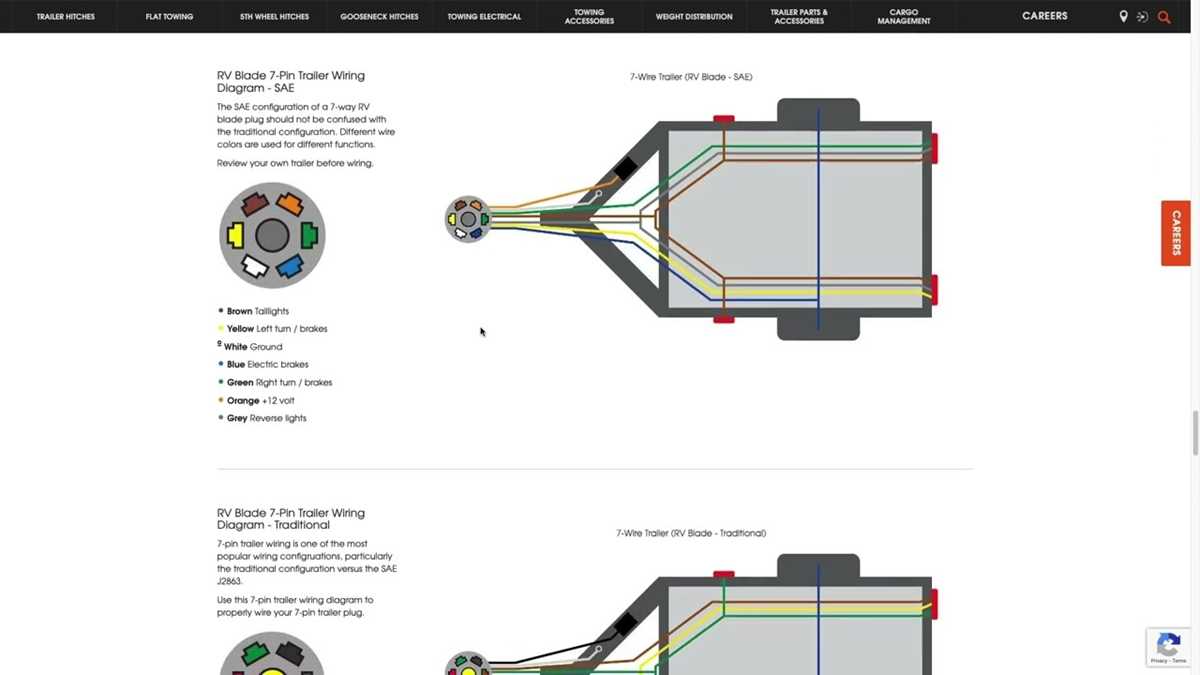
For a safe and functional connection between your vehicle and towing equipment, follow the correct pin arrangement for all electrical components. Understanding the function of each pin is the first step in ensuring all lights and signals work properly. The seven-pin connector typically includes options for brake lights, turn signals, reverse lights, and power supply for auxiliary systems.
Carefully inspect and match the correct wiring for each pin. The ground pin is vital to avoid short circuits, while the others handle signals like left and right turn indicators, brake lights, tail lights, and reverse lights. Ensure that each wire is properly connected to prevent any faulty electrical behavior.
Once everything is securely in place, test the system. This step guarantees that all components function as intended, avoiding potential issues on the road. A reliable connection is key to safety during any towing operation, so don’t skip these checks. Proper setup ensures trouble-free trips and helps avoid costly repairs down the line.
7 Pin Connector Setup for Proper Electrical Connections
The first step in setting up a 7-pin connection is ensuring the correct pin placement. Each pin is dedicated to a specific function like the brake lights, reverse lights, turn signals, and more. The common color code for these functions includes brown for tail lights, green for right turn signals, yellow for left turn signals, and blue for the electric brakes. It’s important to connect these wires securely to avoid faulty signals and ensure safe towing.
Test the system thoroughly before using it. Activate each function–brakes, turn signals, reverse lights–and check if everything works as expected. A quick visual check of the connector is also recommended to make sure no wires are exposed or damaged. If problems persist, inspect the ground connection, as a loose or broken ground can cause issues with the entire setup. Proper installation and regular maintenance of the connection will reduce the risk of failures during trips.
How to Identify the 7 Pins and Their Functions in a Trailer Electrical System
Begin by examining the connector closely to identify each of the seven pins. The positioning of these pins is critical for proper setup, as each pin corresponds to a different function needed for the connection to operate correctly. A standard 7-pin connector has a circular layout, with each pin assigned a specific task based on its location.
The first pin, often located at the top of the connector, is for the ground connection. This pin is crucial because it provides the return path for electrical current, completing the circuit and preventing malfunctions caused by faulty grounding.
Pin Assignments for Signals
The second and third pins are typically dedicated to the left and right turn signals. The left turn signal is usually wired to the yellow pin, while the right turn signal connects to the green pin. These signals allow the vehicle and the connected equipment to communicate the intended turns while driving.
The fourth pin, often blue, is assigned to the electric brake system. This pin sends power to the brakes of the towing equipment when the vehicle’s braking system is engaged, helping slow down the connected load safely.
Power and Lighting Functions
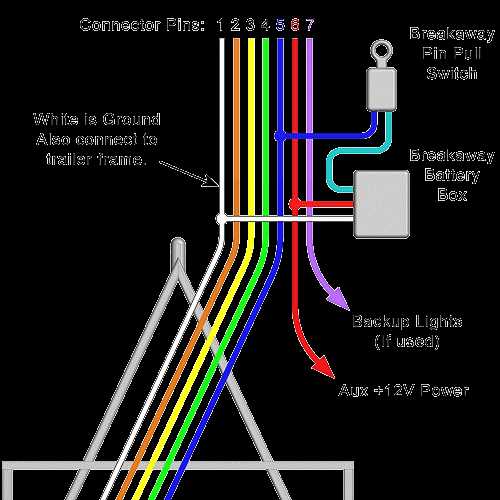
Next, the brown pin is responsible for tail lights and parking lights. This connection ensures that the rear lights of the connected equipment are activated when the vehicle’s lights are turned on, making it visible to other drivers at night or in low-light conditions.
The white pin is the ground, often used for both the vehicle and the equipment, ensuring that all electrical systems are properly connected to avoid short circuits.
Finally, the black pin is used for auxiliary power, which can provide power to additional features such as a battery charger or a power supply for accessories. This pin is particularly useful for powering systems in the connected equipment that are independent of the vehicle’s main electrical setup.