Connect live, neutral, and earth conductors according to standard color coding to prevent overloads and ensure stable current flow. Use a voltage tester to verify each line before securing terminals.
Follow torque specifications for terminal screws to avoid loose contacts that can cause overheating or arcing. Ensure insulation sleeves fully cover exposed copper strands to maintain safety during operation.
Check alignment of pins and sockets before tightening the casing. Misaligned contacts increase resistance and can lead to premature wear or electrical faults.
Label each conductor clearly when connecting multiple units to simplify maintenance and prevent accidental cross-connections in complex setups.
High Current Connector Assembly and Safety Guidelines
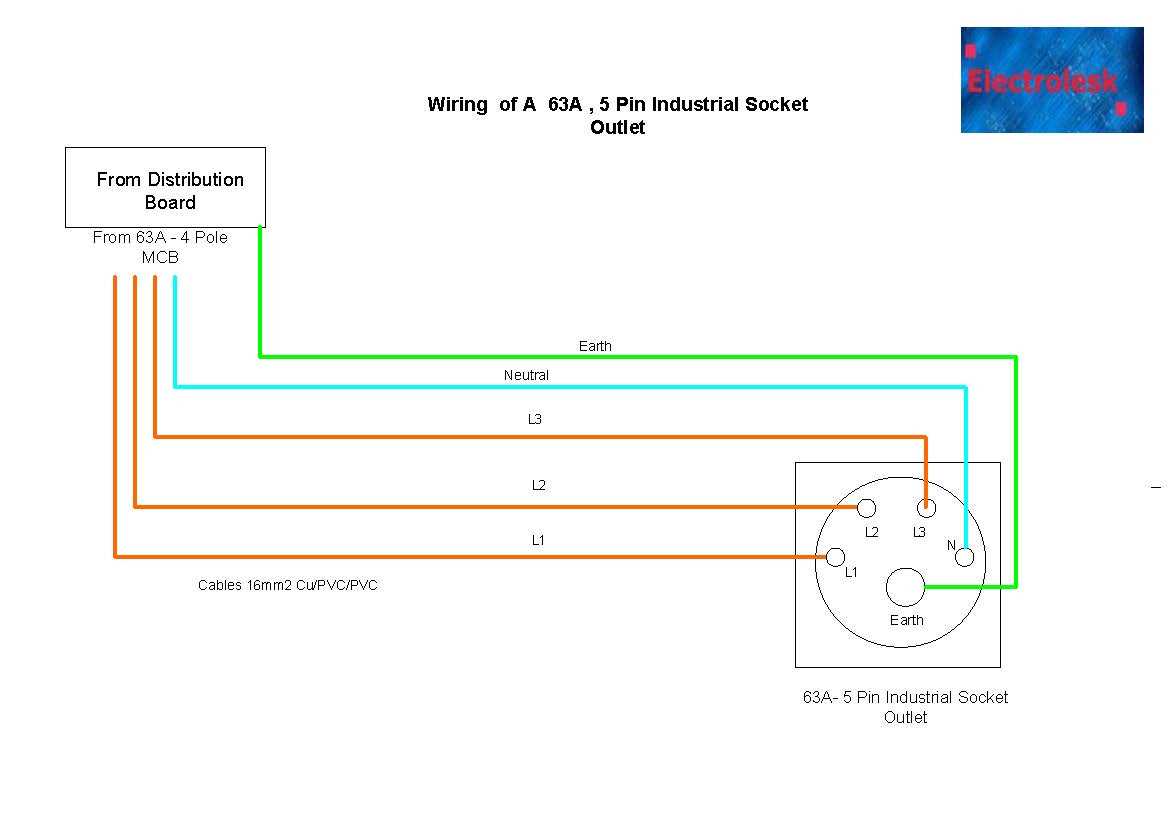
Start by identifying each conductor using standard color codes: brown for live, blue for neutral, and green-yellow for earth. Confirm continuity with a multimeter before attaching terminals.
Strip insulation carefully to expose only the length required for a secure connection. Excess exposed copper increases the risk of short circuits and electrical faults.
Insert each wire into the correct terminal and tighten screws to the manufacturer’s torque specification, usually between 0.8 and 1.2 Nm for standard industrial connectors.
Ensure strain relief clamps hold conductors firmly to prevent movement during operation. Loose cables can loosen contacts and generate heat, potentially causing damage.
Check alignment of pins with the socket before closing the enclosure. Misaligned contacts can increase resistance and reduce current capacity, leading to overheating.
Use a continuity tester to verify connections after assembly. Test live, neutral, and earth lines individually to confirm proper electrical paths without cross-contact.
Seal the housing properly to prevent moisture ingress, which can cause corrosion or short circuits. Rubber gaskets and proper screw torque ensure a tight fit.
Label each connector clearly in multi-unit setups to simplify future maintenance and avoid misconnection. Include date and voltage rating for operational safety records.
Identifying Conductor Colors and Their Functions
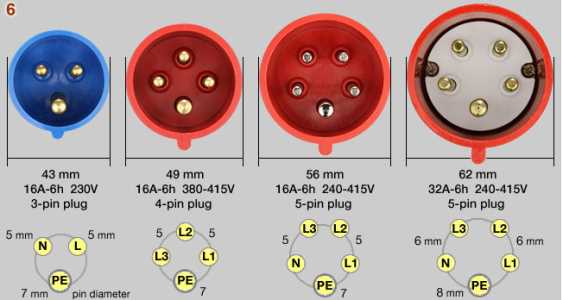
Match each line to its designated color to ensure safe and correct connections. Standard coding typically follows:
- Brown: carries live current from the source
- Black: secondary live line for load balancing
- Grey: tertiary live line in multi-line circuits
- Blue: neutral return path
- Green-Yellow: protective earth for grounding
Use a multimeter to verify voltage presence on live lines before making connections. Ensure that insulation is intact and that no exposed copper touches adjacent terminals.
Label each conductor after testing to prevent confusion during maintenance or future installations. Double-check continuity and polarity to avoid misalignment, which can result in overheating or tripping of breakers.