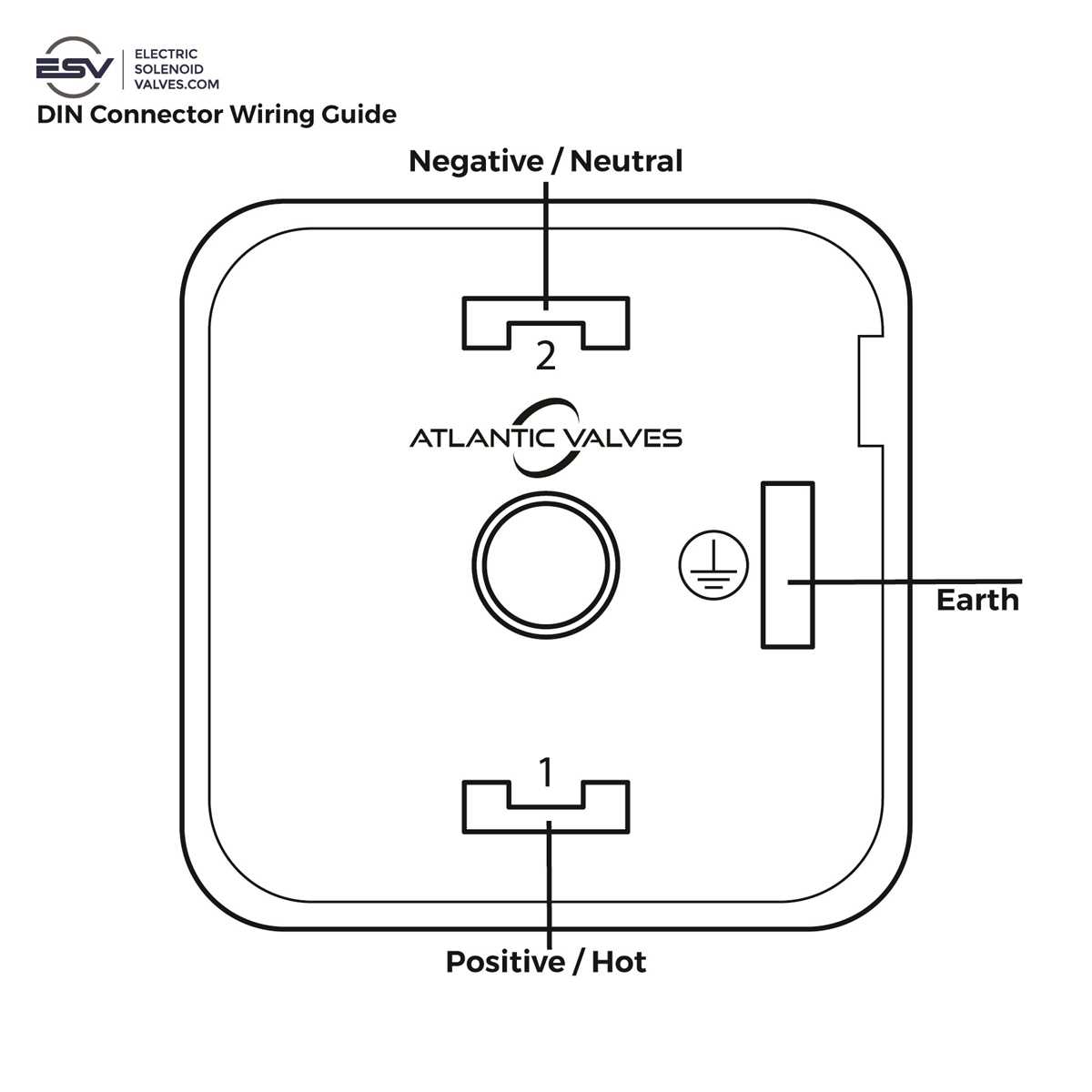
Connect the electromagnetic actuator coil directly to the rated power source specified on the device label, commonly 12V DC, 24V DC, or 24V AC. One conductor runs from the supply line through a control switch or relay contact, while the return conductor links to ground or neutral depending on the circuit type. Installing a protective fuse rated between 1A and 3A prevents damage during coil short conditions.
Identify the two coil terminals on the electromagnetic flow controller before attaching conductors. Many industrial units use screw terminals marked A1 and A2 or simple polarity marks such as + and − on direct current models. Alternating current versions normally accept either orientation, while direct current coils must follow polarity marking printed on the housing.
Route conductors through a relay module when the control signal comes from automation equipment such as timers, programmable controllers, or sensor modules. The relay isolates the low-power control output from the higher current required by the electromagnetic actuator coil.
Measure coil resistance with a multimeter before energizing the circuit. Typical values range from 20 to 200 ohms depending on voltage rating and coil size. A reading near zero indicates internal shorting, while infinite resistance signals a broken coil winding.
Install a flyback protection diode across the coil terminals in direct current circuits. The diode absorbs reverse voltage generated when magnetic energy collapses after power removal, protecting relay contacts, switches, and electronic control modules.
Solenoid Valve Wiring Diagram for 12V and 24V Electrical Control Circuits
Connect the electromagnetic actuator coil to the rated supply listed on the device label, typically 12V DC or 24V DC. One conductor runs from the positive supply through a switch or relay contact, while the return conductor links to ground. Install an inline fuse between the power source and the control switch.
Typical conductor routing for a direct current control circuit follows a simple path from supply to actuator coil. This layout protects the control device and allows easy voltage testing.
- Positive terminal of power supply
- Inline fuse rated 1–3A
- Control switch or relay contact
- Electromagnetic actuator coil terminal A1
- Coil terminal A2 connected to ground
Use 18 AWG or 20 AWG copper conductors for most low-power coils drawing less than 1 ampere. Larger industrial flow controllers with higher current draw may require thicker conductors such as 16 AWG.
Direct current coils require polarity awareness. The positive lead attaches to the marked terminal, while the negative lead connects to ground or the supply return. Alternating current versions accept either orientation because current direction alternates each cycle.
- Turn off the power source
- Strip conductor insulation about 6–8 mm
- Secure conductors under terminal screws
- Check resistance across the coil with a multimeter
- Restore power and confirm actuator movement
Install a flyback diode across the coil terminals when using direct current. The diode cathode connects to the positive side and the anode connects to the negative side. This component absorbs reverse voltage generated when the magnetic field collapses.
Measure supply voltage during operation. A stable reading close to the rated value ensures the electromagnetic actuator opens the fluid control device without overheating the coil winding.
How to Connect a 12V Solenoid Valve to Power Supply Switch and Fuse
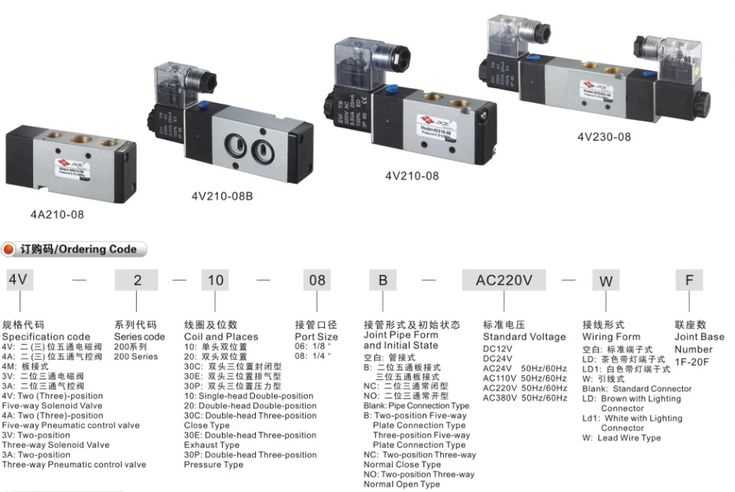
Connect the electromagnetic actuator coil to a 12-volt DC source through a protective fuse and control switch. Route the positive conductor from the power source to the fuse holder, then continue to the switch terminal. The output side of the switch links to one coil terminal, while the second terminal returns to ground.
Fuse and conductor placement
Install the fuse within 10–20 cm of the power source. A 1A–3A fuse protects the coil from overload and prevents conductor overheating. Use 18 AWG copper conductors for most small electromagnetic fluid control units drawing less than one ampere.
Identify coil terminals marked A1 and A2 or polarity symbols. The positive conductor connects to the A1 terminal when polarity marks exist, while the return conductor attaches to the negative side of the supply.
Switch connection method
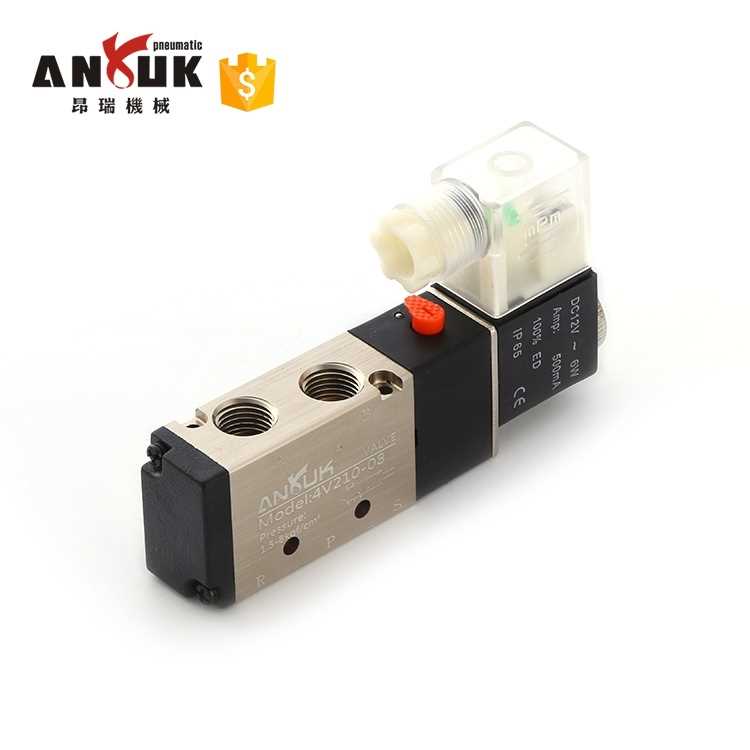
The control switch interrupts the positive supply line. One terminal of the switch receives power from the fuse, and the second terminal feeds the actuator coil. When the switch closes, current flows through the coil and moves the internal plunger that opens or closes the fluid path.
Add a reverse-voltage suppression diode across the coil for direct current circuits. The cathode connects to the positive terminal and the anode connects to the negative side. This component absorbs the voltage spike produced when current stops.