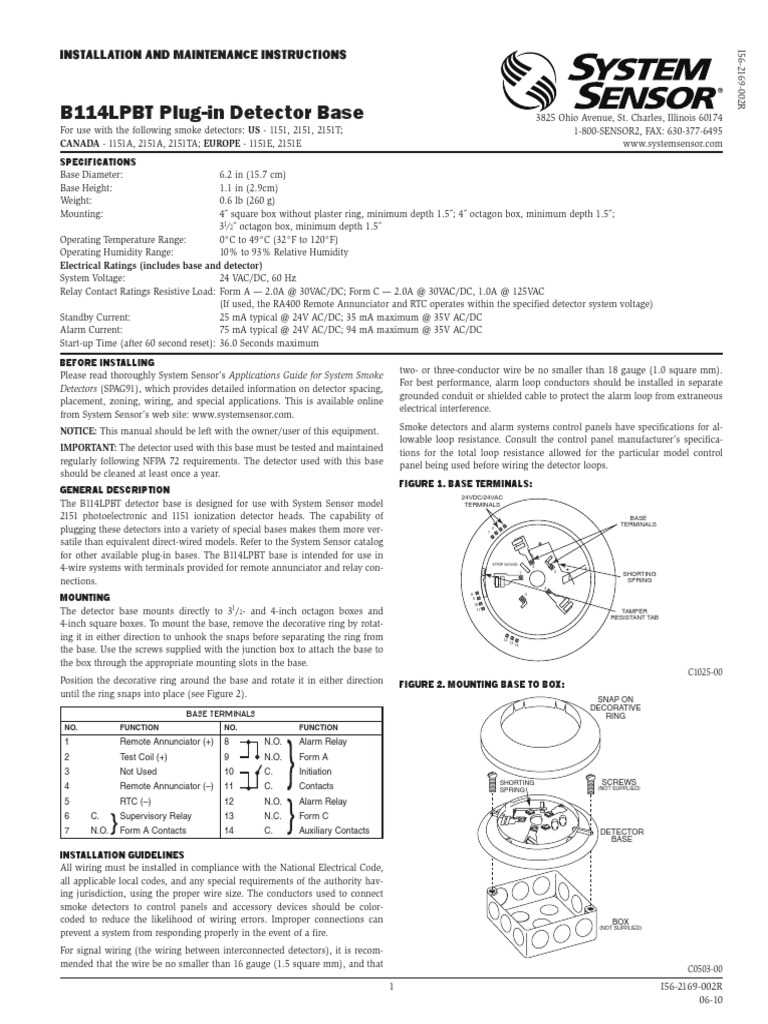
Connect the alarm unit to a 120-volt branch circuit with line, neutral, and an interconnect conductor. The hot conductor usually attaches to a black lead on the alarm base, the neutral connects to the white lead, and the third conductor links multiple alarm units so that all sound when one senses combustion particles.
Residential fire alarm units installed on household circuits normally include three conductors inside the ceiling box. Black carries line voltage, white provides the return path, and red serves as the interconnect signal between devices. When one unit senses airborne particles from burning material, the red conductor carries a trigger signal that activates all linked alarms.
Install these alarm units on a dedicated 15-amp lighting circuit protected by a breaker in the main panel. Mount each base to a ceiling junction box using two machine screws, then attach the plug-in harness supplied with the device. Spacing between units should not exceed about 9 meters along hallways and living areas, which improves response time during a fire event.
Battery backup inside each alarm unit maintains operation during power loss. Test the system monthly using the built-in test button and confirm that every connected alarm sounds at the same time. Replace backup batteries every 6–12 months and clean the sensing chamber with compressed air to prevent dust buildup that may cause false alerts.
Smoke Detector Wiring Diagram With Interconnect Line and Power Connections
Connect the alarm base to three conductors from the ceiling junction box: line voltage, neutral return, and the red interconnect lead linking multiple alarm units. Attach the black conductor from the branch circuit to the black lead on the alarm harness, join the white neutral conductors together, and connect the red interconnect line to the matching terminal on the alarm plug. This connection allows every unit in the circuit to activate once any sensor registers combustion particles.
Power Supply Connections
Feed the alarm circuit from a 120-volt lighting branch protected by a 15-amp breaker. Use 14-gauge conductors for the line and neutral paths, and secure all connections inside the ceiling box with listed twist connectors. The line conductor provides continuous voltage so the alarm unit remains active at all times, while the neutral path completes the circuit back to the service panel.
Interconnect Signal Operation
The red conductor forms a communication link between alarm units installed in hallways, bedrooms, and living spaces. When one sensing chamber triggers, a signal travels along this conductor and causes every connected alarm to sound simultaneously. Test the link by pressing the test button on a single unit; all other alarms connected through the red lead should activate within a second.
How to Connect Line Neutral and Interconnect Conductors in Hardwired Smoke Alarms
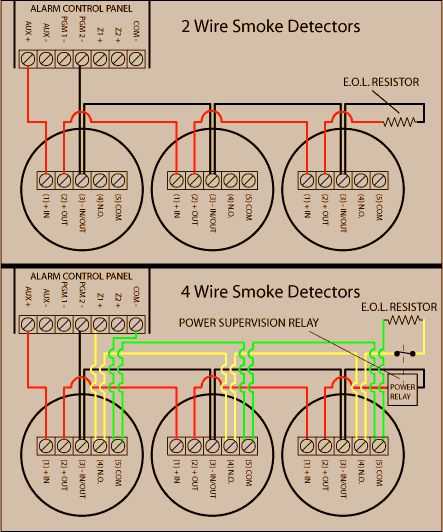
Turn off the breaker feeding the ceiling junction box, then identify the three conductors used by interconnected fire alarm units: hot line, neutral return, and the red communication lead. Strip about 12 mm of insulation from each conductor and prepare the harness supplied with the alarm base.
- Join the black line conductor from the branch circuit to the black lead on the alarm harness using a listed twist connector.
- Combine the white neutral conductor from the circuit with the white harness lead and any additional neutrals continuing to the next alarm unit.
- Attach the red communication lead from the ceiling cable to the red harness conductor that links all alarms.
- Fold the connections carefully into the junction box and secure the alarm base with mounting screws.
Follow this order while installing multiple units along the same circuit:
- Run a 14-3 cable between ceiling boxes so each location has black, white, and red conductors plus ground.
- Splice line, neutral, and the red signal lead in every box using pigtails toward the alarm harness.
- Mount the alarm unit and plug the harness connector into the device.
- Restore power and press the test button; all interconnected alarms should sound at the same moment.