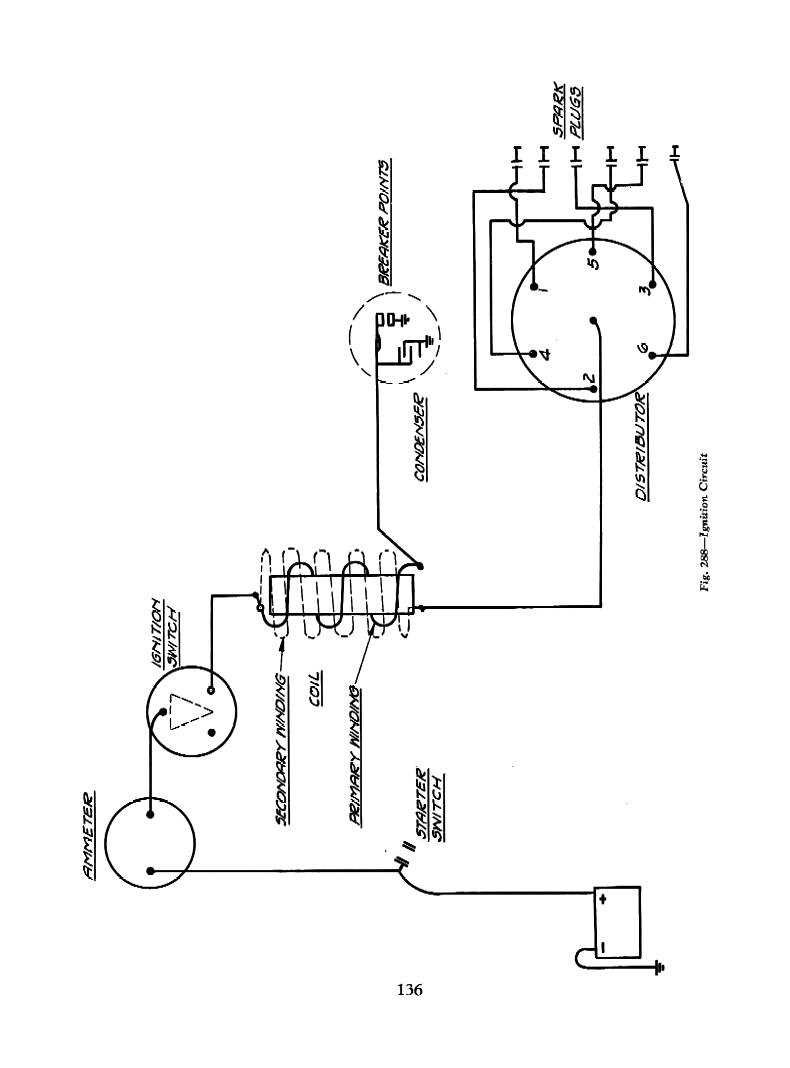
Connect the battery positive cable directly to the large terminal on the engine cranking motor solenoid and tighten the nut to about 12–15 Nm. Use a heavy gauge conductor such as 4 AWG or 2 AWG to handle current spikes that may exceed 150–200 amps during engine rotation. Attach the negative battery lead firmly to the engine block to provide a solid ground path.
Route the ignition switch signal wire to the small control terminal marked S on the solenoid housing. This line carries a low-current trigger from the ignition key that activates the internal plunger, pushing the drive gear into the flywheel ring gear while connecting the high-current contacts inside the solenoid. A typical trigger lead uses 14–16 AWG insulation rated for automotive temperature conditions.
Many small-block V8 installations also include a second small terminal marked R. This output can feed ignition coil voltage during engine cranking. When the key returns to the run position, the signal disappears and the ignition system returns to the resistor wire supply. Verify all connections with a multimeter; battery voltage near 12.6 volts at rest should appear at the main solenoid terminal before engine cranking begins.
Simple Chevy 350 Starter Wiring Diagram With Battery Solenoid and Ignition Connections
Connect the battery positive lead directly to the large solenoid post on the engine cranking motor using 2 AWG or 4 AWG cable. Tighten the nut securely and route the cable away from exhaust manifolds to avoid insulation damage. The negative battery lead must attach to the engine block or cylinder head using a clean metal contact surface to maintain low resistance during high current draw that can reach 150–250 amps during engine rotation.
Ignition Switch Signal and Solenoid Terminals
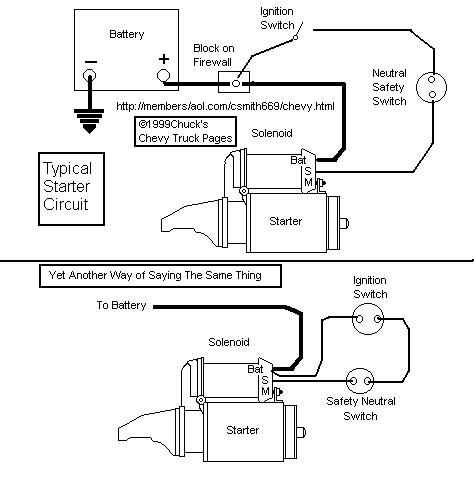
Run a 14–16 AWG trigger wire from the ignition key switch to the small terminal marked S on the solenoid body. Turning the key sends battery voltage through this lead, energizing the internal coil and pushing the drive gear toward the flywheel ring gear. A second small terminal labeled R may provide temporary voltage to the ignition coil during engine cranking. This bypass line supplies full battery voltage while the engine rotates, compensating for voltage drop caused by heavy current draw.
Current Path During Engine Cranking
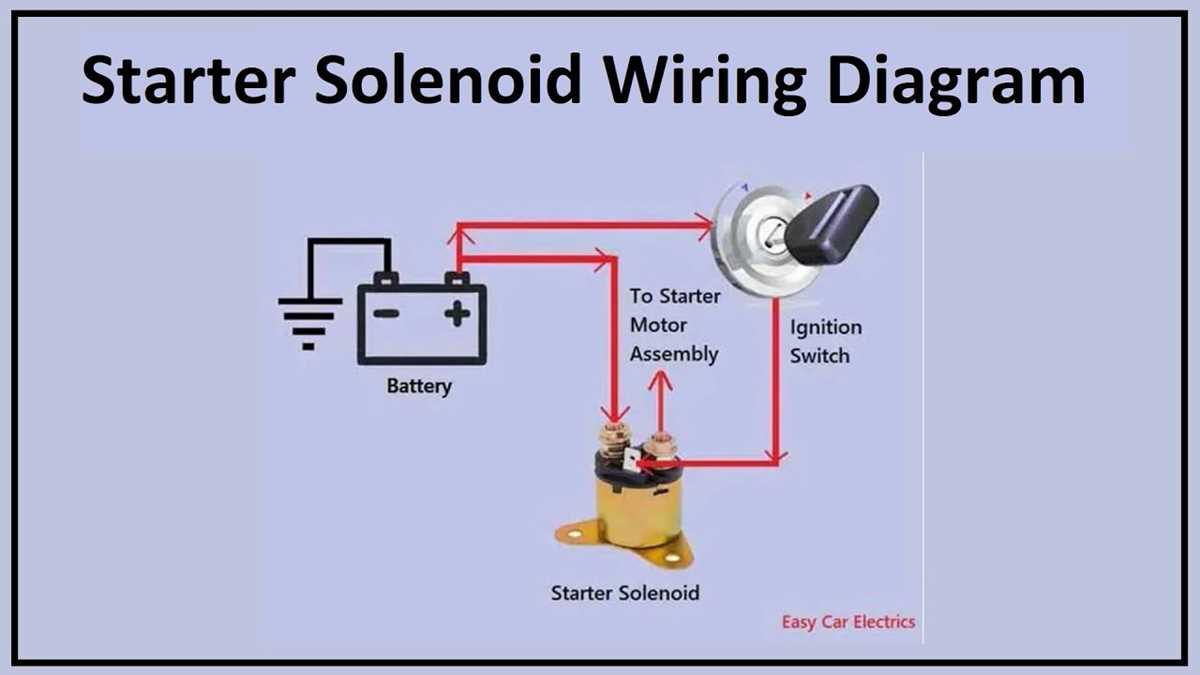
When the ignition key reaches the crank position, current flows from the battery through the large solenoid terminal, across the internal contacts, and into the motor windings. The motor then spins the pinion gear which engages the flywheel teeth attached to the crankshaft. After the engine fires and the key returns to the run position, the solenoid coil deactivates, the pinion retracts, and the heavy current path opens. Verify voltage at the main terminal with a multimeter; a fully charged battery typically shows about 12.6 volts before engine rotation begins.
Identifying Starter Solenoid Terminals on a Chevy 350 and Their Wire Connections
Locate the large threaded terminal on the solenoid housing and attach the battery positive cable to this point. Use heavy copper cable such as 2 AWG or 4 AWG because the cranking motor can draw more than 200 amps during engine rotation. Clean the terminal and tighten the nut firmly to prevent voltage drop.
Identify the second large stud positioned near the motor body. This terminal connects internally to the cranking motor windings. A short factory-installed copper strap or thick conductor links this post directly to the motor housing. Do not attach battery cables or accessory leads to this connection.
Find the small terminal marked S on the solenoid cap. This pin receives the ignition switch signal that activates the solenoid coil. A 14–16 AWG control lead usually runs from the ignition switch to this point. When the key turns to the crank position, battery voltage travels through this wire and energizes the internal coil.
Check for another small connection labeled R. This terminal feeds voltage to the ignition coil during engine cranking. Many older ignition systems use a resistor wire during normal engine operation; the R terminal bypasses that resistance while the engine rotates.
Inspect the insulation and routing of each conductor around the engine block. Keep the heavy battery cable at least several centimeters away from exhaust headers or manifolds where temperatures can exceed 500°F (260°C). Heat shields or protective sleeves help prevent insulation damage.
Confirm ground continuity between the battery negative terminal and the engine block. A thick ground strap should connect the block to the chassis frame. Poor grounding causes slow engine rotation and high resistance in the electrical path.
Use a multimeter to verify voltage at the main solenoid terminal. With the engine off, a fully charged battery typically shows about 12.6 volts. During engine rotation the reading may drop to 9.5–10.5 volts depending on battery condition and cable resistance.
After confirming all connections, secure the conductors with clamps or insulated clips along the engine bay. Stable routing prevents vibration damage and keeps the electrical path reliable during repeated engine starts.