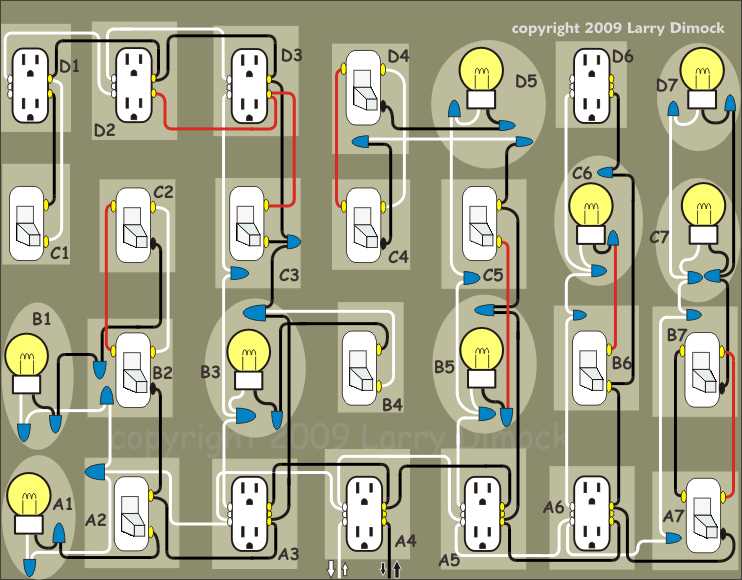
Before starting any project involving home circuits, carefully study the layout of your system. Each component, from switches to outlets, has a specific path through which the current flows. Understanding this flow is key to setting up safe and functional connections. Make sure to trace the path between the main service panel, individual rooms, and other electrical fixtures. This will give you a clear overview of how to distribute power efficiently throughout the home.
Properly marking the connections is key. Pay attention to the different types of wires, their sizes, and their specific functions. For example, the hot wire carries the current, while the neutral wire returns it. Grounding wires should be connected securely to prevent electrical shocks. By following the layout carefully, you’ll ensure that each wire is connected to the right point, reducing the risk of hazards.
Verify the circuit breaker connections. Each circuit is linked to a breaker in the panel that protects against overloads. These breakers must be correctly wired to the corresponding circuit in order to shut off power when necessary. Ensure the correct gauge of wire is used for each circuit and that the breaker rating matches the total load expected for that circuit. This step will keep your home’s electrical system safe and compliant with local building codes.
How to Read and Understand a Home Circuit Layout
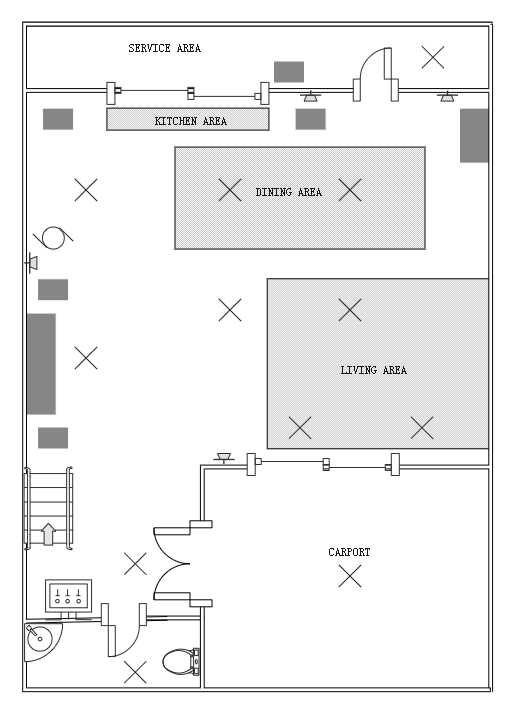
Start by identifying the main power source and how it connects to the breaker panel. The panel acts as the distribution point for power throughout the home. Each breaker corresponds to a different section of the house or a specific appliance. Make sure to check the amperage ratings of each breaker to ensure they match the intended load. A mismatch could lead to overheating or unnecessary tripping of the breaker.
Understanding the Flow of Power
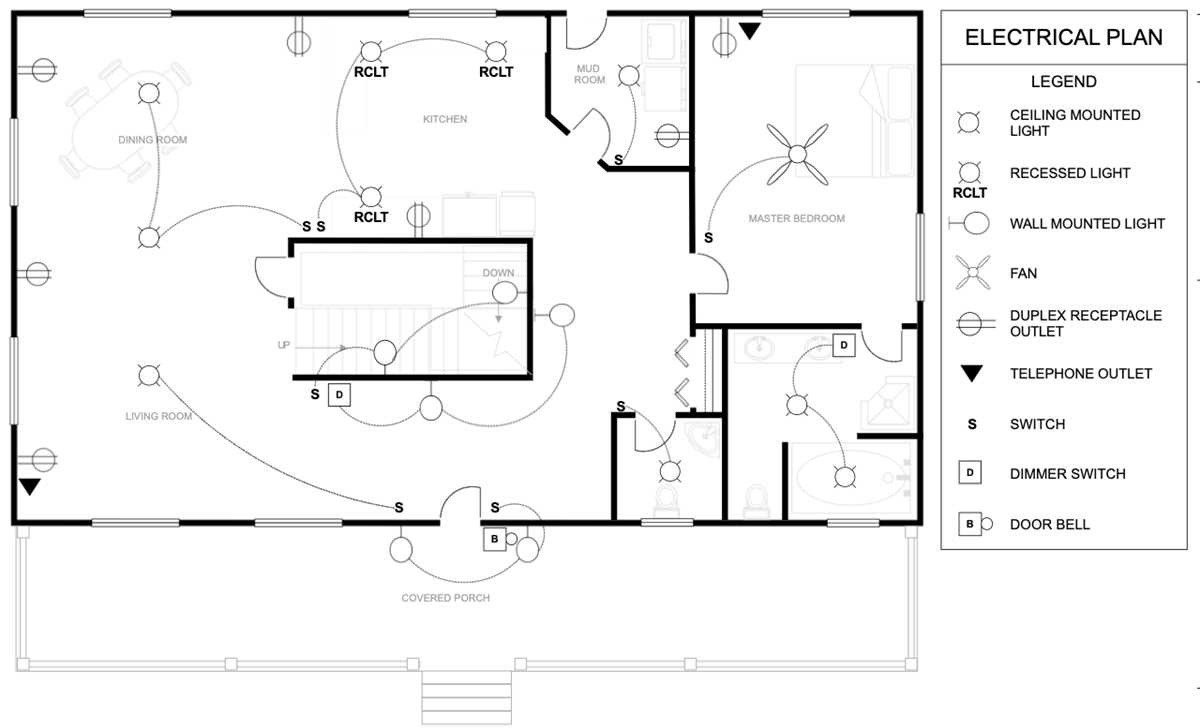
The flow of electricity starts from the utility company, enters your home, and then is routed through the breaker panel. From there, the current travels through various wires to different outlets, switches, and appliances. Follow the lines that connect each component to understand how power is distributed. Pay attention to the neutral and ground lines, which are as important as the hot wires in completing the circuit safely.
Check the Color Code for wires. In most systems, black wires indicate hot wires, white represents neutral, and green or bare copper is for grounding. This color scheme helps prevent mistakes when connecting the wires to their respective terminals. Using the wrong wire can result in short circuits, or worse, electrical fires.
Common Circuit Configurations
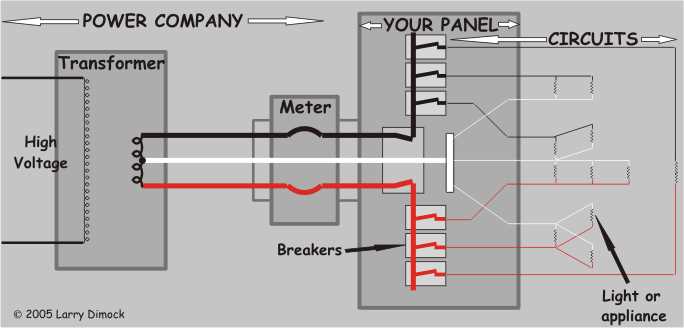
The most common home setup includes a series of 120V circuits for general appliances and lighting, as well as 240V circuits for heavy-duty appliances like dryers or air conditioners. Understanding the difference between these setups is key to safely installing new outlets or making upgrades. Make sure to properly size wires and breakers to avoid overloading any circuit.
How to Read a Residential Electrical Wiring Diagram
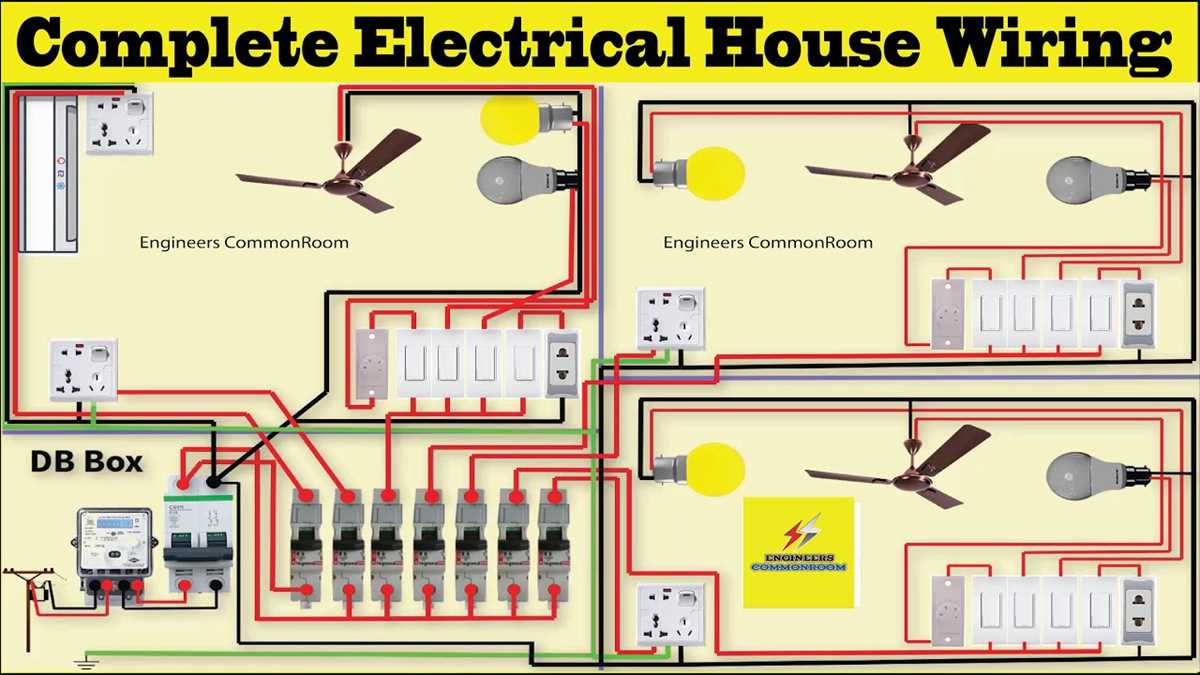
Begin by identifying the main power source and the distribution panel in the layout. The panel is where power is routed to different circuits throughout the house. Locate the input lines from the utility and trace them to the breakers. Each breaker controls a specific circuit, and the diagram should show which areas of the house each breaker is responsible for. Pay attention to the amp ratings of each breaker to ensure proper load distribution.
Next, look for the various components such as outlets, switches, and lights. Each of these will be represented by symbols on the layout. For outlets, a small rectangle is typically used, and for switches, you’ll find a circle with a line through it. Understanding these symbols is crucial for interpreting the flow of electricity from one component to another.
Wire connections are marked by lines that link different components together. These lines represent the conductors carrying the current between the panel, switches, outlets, and appliances. A solid line usually indicates a hot wire, while a dashed line represents a neutral connection. Grounding will be represented by a different pattern, often a line with a symbol indicating it is grounded to the system or a grounding rod.
Focus on the color coding of the lines if provided in the diagram. Black or red lines usually indicate hot wires, white lines represent neutral, and green or bare copper lines are used for grounding. These colors are standard in most electrical systems, and understanding them helps ensure that connections are made correctly during installation or troubleshooting.
Ensure the number of outlets, switches, and lights corresponds to the circuit load specified in the diagram. This is especially important when you are adding new devices or upgrading an existing circuit. Each circuit can only handle a certain amount of current, so check the diagram for any signs of overloading.
Finally, make sure you understand the path of each circuit. Some diagrams show series circuits, where devices are connected one after the other, while others show parallel circuits, where each device is independently connected to the power source. Identifying the type of circuit helps prevent potential overloads and ensures the safety of the system as you make modifications or repairs.