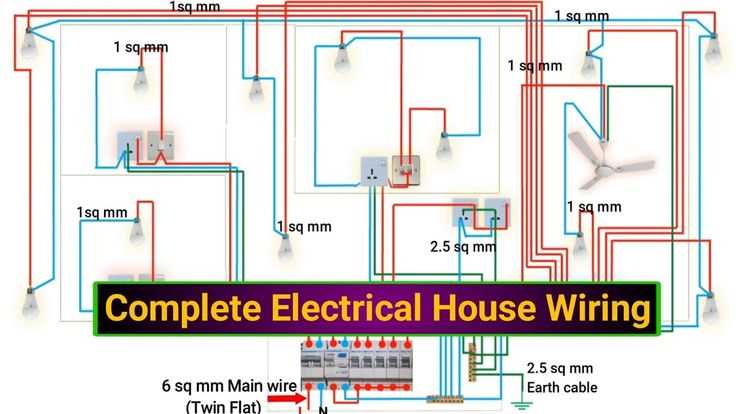
Start by labeling each branch of your household power network to match the circuit breaker. Use color-coded markers for live, neutral, and ground lines to prevent misconnection and reduce risk of short circuits.
Install junction points in accessible locations and ensure wire gauge matches the amperage of the connected devices. For example, use 12-gauge copper for 20-amp kitchen outlets and 14-gauge for 15-amp lighting circuits.
Follow a clear path for cables, keeping them at least 1 inch away from water pipes and avoiding sharp bends that can damage insulation. Secure lines with staples or clips every 12 inches for horizontal runs and 18 inches for vertical runs.
Document each room’s load requirements, including lighting, appliances, and HVAC units. Assign dedicated circuits for high-demand equipment to prevent overloading and frequent tripping of breakers.
Test each completed connection with a multimeter before powering the network. Check for continuity, proper grounding, and correct voltage levels to ensure safe and reliable operation.
How to read symbols and lines in a home wiring diagram
Identify each line type by its thickness and style: solid lines indicate main conductors, dashed lines show secondary or low-voltage connections, and dotted lines represent optional or future circuits. Markers at intersections specify whether cables are joined or merely cross paths without connection.
Use the following reference table to decode common symbols for fixtures, switches, and outlets:
| Symbol | Meaning | Typical Use |
|---|---|---|
| Circle with X | Ceiling light | Living rooms, kitchens |
| Square with S | Single pole switch | Standard light control |
| Triangle pointing down | Wall outlet | Appliances, general power |
| Rectangle with two lines | Breaker panel | Main distribution point |
Follow the path of each circuit from the panel to the load points. Note the connection points and identify any intermediate devices such as dimmers, timers, or GFCI modules. Observing the sequence ensures accurate installation and prevents overload.
Double-check symbols against a legend or manufacturer’s guide, especially for specialized components like in-wall USB ports or smart switches. Accurate interpretation allows precise placement of conductors, correct breaker sizing, and reliable power delivery throughout the house.
Planning circuit layout for lighting and power outlets
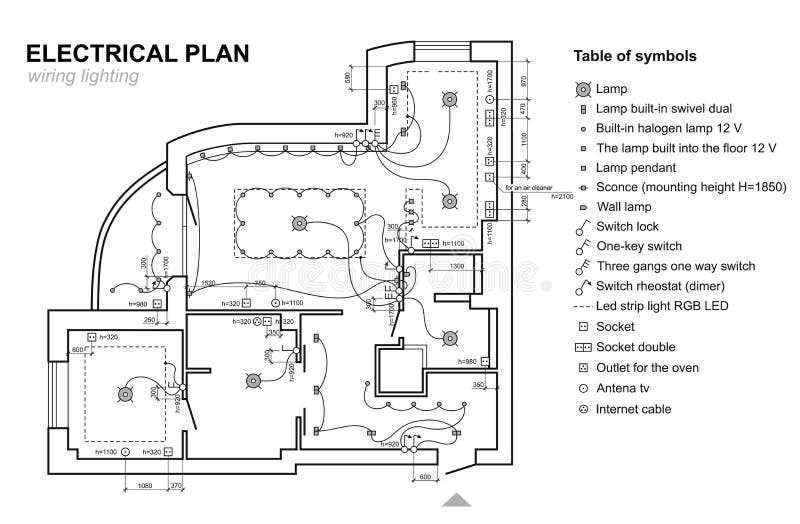
Divide the property into zones and assign separate lines for lighting and sockets in high-demand areas. For example, kitchens should have dedicated circuits for countertop appliances rated at 20 amps, while living areas can share 15-amp lines for general outlets.
Position switches near entrances and outlets at convenient heights, typically 12 to 18 inches from the floor for standard plugs. Label each circuit clearly on the main panel and include notes on maximum load capacity to prevent tripping and overheating.
Calculating load distribution
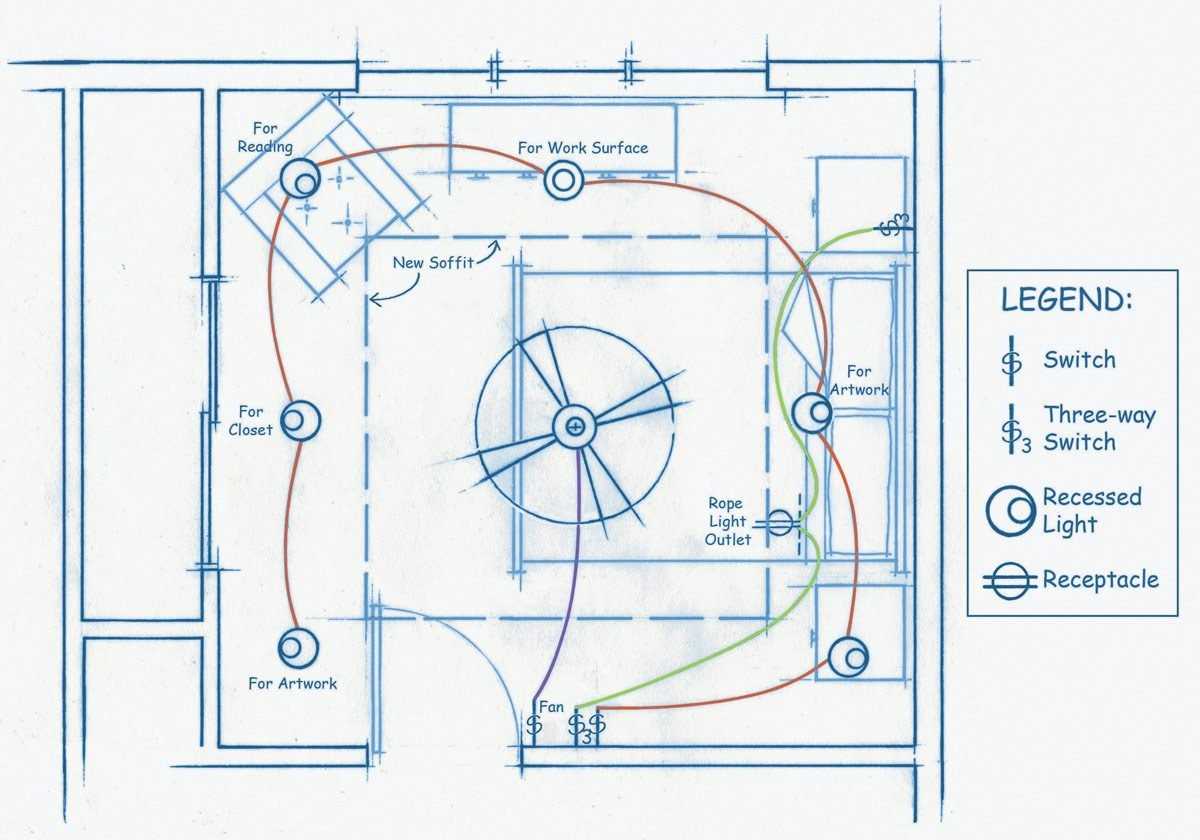
Estimate total wattage for each room, adding a 25% margin for future devices. Lighting circuits generally operate on 10 to 12 amps, while dedicated appliance lines may require 20 to 30 amps. Adjust conductor size accordingly to maintain voltage stability and minimize energy loss.
Identifying and connecting breakers and main panels safely
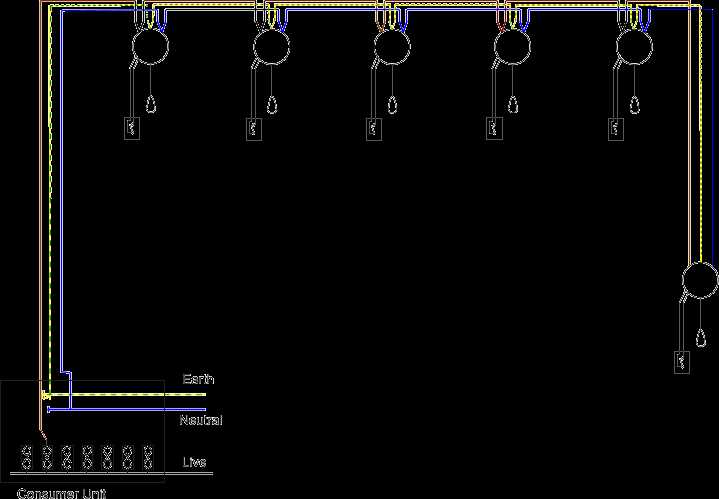
Turn off the main feed before inspecting the distribution panel. Label each branch clearly and verify its amperage rating to match the connected load. Use insulated tools and wear protective gloves when handling terminals to avoid accidental contact with live points.
Steps for safe connections
- Check the main breaker rating and ensure it aligns with the service capacity.
- Identify individual branch breakers for lighting, outlets, and high-demand appliances.
- Connect neutral and ground wires to their respective bus bars.
- Secure all conductors with screws tightened to manufacturer specifications.
- Test each line with a multimeter before restoring power.
Maintain at least 3 inches of clearance around the panel for ventilation and future access. Avoid overloading a single breaker by distributing high-wattage devices across multiple lines and confirming connections match the planned layout for consistent performance and safety.