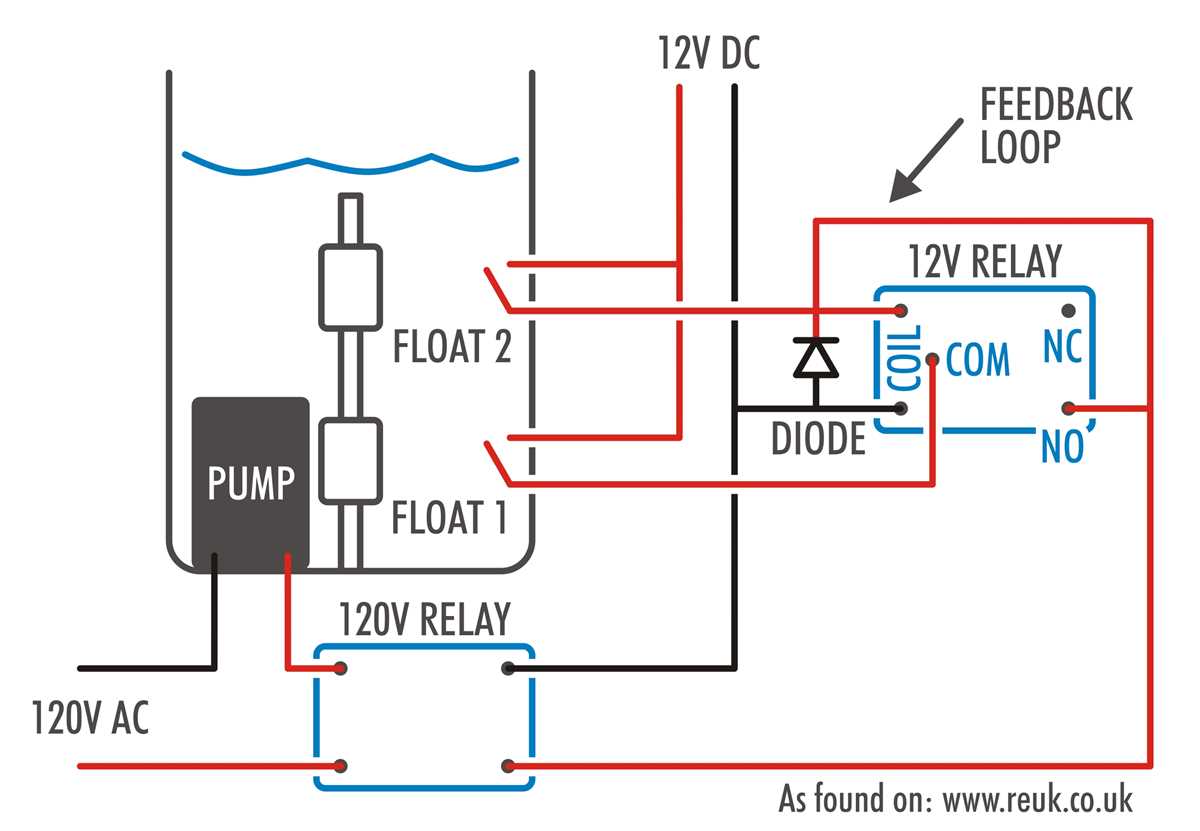
Connect the main power lines to a properly rated relay and ensure all safety fuses are in place before integrating any sensors. Confirm voltage compatibility with the motor specifications to prevent overloads or damage.
Integrate float and pressure sensors directly into the relay module to automate start and stop operations. Use shielded cables for sensor connections to reduce electromagnetic interference that can trigger false activations.
Verify grounding and neutral connections at all terminals to prevent short circuits and ensure stable operation. Loose connections can lead to motor overheating or erratic response from the automation system.
Label each wire and terminal according to function, including live, neutral, and sensor inputs. Clear identification helps during maintenance and reduces the risk of cross-connections during upgrades.
Test the system sequentially by activating each component individually before full operation. This helps isolate potential faults in the motor starter, relays, or sensors without causing full system failure.
Pump Control Electrical Setup and Component Connections
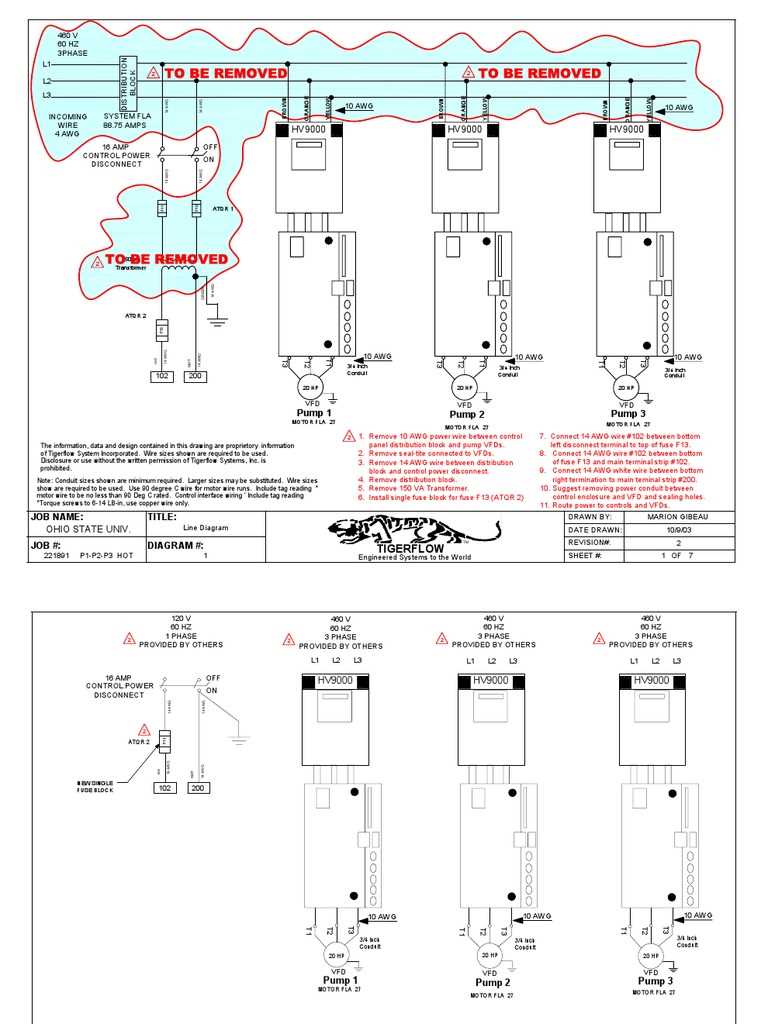
Connect the main power supply to a fused breaker that matches the motor’s rated current. Ensure proper phase alignment and verify voltage levels before energizing the system to prevent damage to the starter and motor.
Integrate relay and contactor modules between the power source and motor terminals. Use appropriately sized conductors to handle full-load current and prevent overheating during continuous operation.
Install protective devices such as overload relays and thermal cutoffs on all live lines. Calibrate the overload settings according to the motor’s nominal amperage to avoid nuisance tripping while still providing reliable protection.
Wire sensor inputs including float switches, pressure sensors, and flow meters to the input terminals of the relay logic. Maintain polarity consistency and use shielded cables to reduce signal interference that could trigger false starts or stops.
Label all connections clearly, identifying live, neutral, ground, and sensor lines. This ensures safe maintenance and prevents accidental cross-connections during troubleshooting or future expansions.
Test each component individually before full system operation. Activate relays, sensors, and motor starters one by one to confirm proper functionality and identify wiring mistakes without risking full system failure.
Secure all terminals and use cable management trays to maintain separation between high-voltage and low-voltage lines. Tighten screws to manufacturer specifications to reduce resistance points and ensure stable, long-term operation.
Understanding Relay and Motor Integration for Pump Operation
Connect the relay coil directly to the control voltage source and verify that the contact ratings match the motor’s full-load amperage. This ensures safe activation without overloading the relay contacts during start-up.
Wire the motor terminals through the normally open contacts of the relay. Confirm the polarity and use insulated conductors capable of handling inrush current spikes to prevent overheating and maintain stable operation.
Integrate overload protection in series with the motor connections. Adjust the trip settings based on the motor specifications and operational load to protect against short circuits, stalled rotors, or sustained overcurrent conditions.
Test the combined system by activating the relay manually and through sensor triggers. Observe motor rotation, response time, and relay chatter to confirm that the integration provides reliable and repeatable operation under normal load conditions.