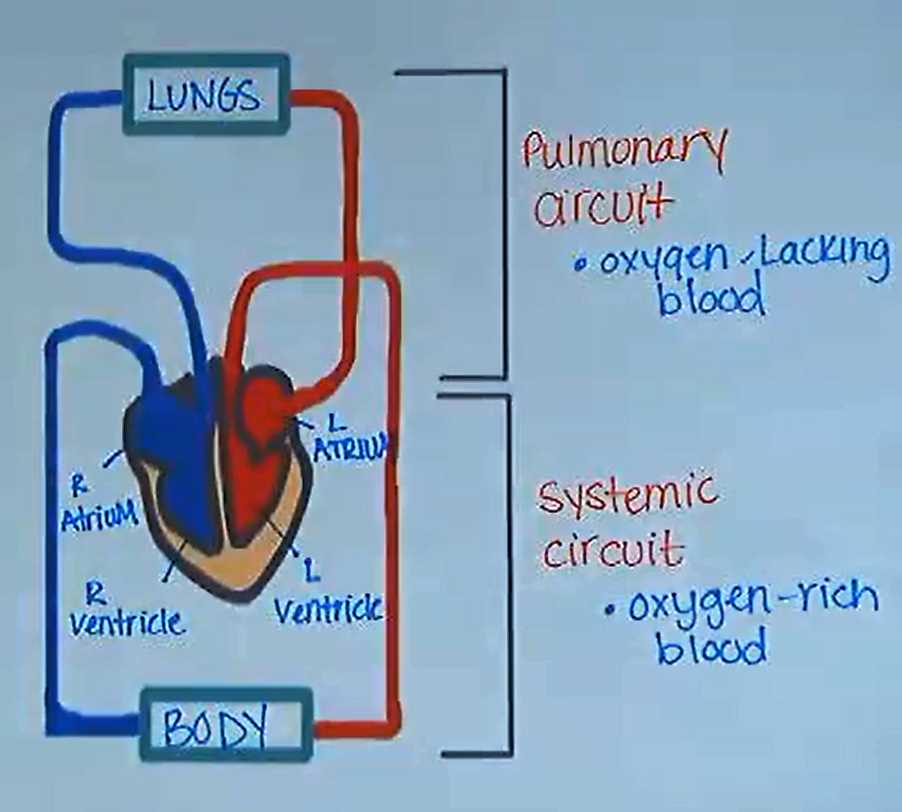
The blood begins its journey from the right side of the heart, where it is pumped into the pulmonary artery. This vessel carries deoxygenated blood to the lungs for oxygenation. As the blood flows through the lung capillaries, it releases carbon dioxide and absorbs oxygen, becoming oxygen-rich. Afterward, the blood returns to the heart through the pulmonary veins, completing the cycle.
The primary function of this pathway is to ensure that oxygen is delivered to the bloodstream while carbon dioxide is removed. This cycle plays a vital role in maintaining the body’s overall homeostasis, regulating blood oxygen levels and removing waste gases from the system. Any blockage or malfunction in this flow can lead to serious health complications.
When studying this system, it is crucial to understand how each vessel and chamber contributes to the process. Observing this circulation flow helps identify potential issues such as high blood pressure in the lungs or inefficient gas exchange, which can be indicators of underlying conditions. By understanding these processes, it becomes easier to diagnose and treat respiratory and cardiovascular disorders.
Structure and Components of the Pulmonary Circuit
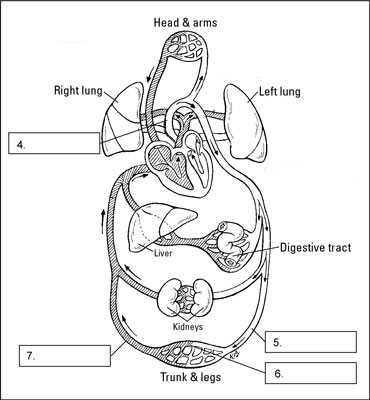
The system responsible for sending blood to the lungs consists of several key components: the heart, arteries, veins, and capillaries. The heart plays a central role, serving as the pump that drives the blood through the vessels. The right side of the heart is primarily responsible for receiving deoxygenated blood and sending it to the lungs via the pulmonary artery.
The pulmonary artery is a large blood vessel that transports blood from the right ventricle to the lungs. This artery is unique in that it carries deoxygenated blood, unlike most arteries, which carry oxygen-rich blood. Once the blood enters the lungs, it branches into smaller vessels, eventually reaching the capillaries surrounding the alveoli (air sacs), where gas exchange occurs.
Blood Flow Through the Lungs
In the lungs, the capillaries surround the alveoli, where oxygen is absorbed into the blood and carbon dioxide is released. The oxygenated blood then travels through the pulmonary veins, which are responsible for returning the blood to the left atrium of the heart. The pulmonary veins are the only veins in the body that carry oxygen-rich blood, making them an essential component in completing the circulatory cycle.
The left atrium receives the oxygenated blood and pumps it into the left ventricle, which is then responsible for distributing it throughout the rest of the body. This system ensures that the body maintains a steady supply of oxygenated blood, vital for all bodily functions.
The Role of the Alveoli
The alveoli, tiny air sacs in the lungs, are where the most crucial exchange takes place. Oxygen from the inhaled air moves through the thin walls of the alveoli into the capillaries, while carbon dioxide in the blood moves in the opposite direction to be exhaled. This process ensures that the blood becomes oxygen-rich, preparing it for distribution to tissues throughout the body.
Throughout this process, the pressure in the blood vessels varies. The pressure in the pulmonary arteries is relatively low compared to the systemic circulation, as the lungs do not require as much force to pump blood. This lower pressure helps protect delicate lung tissue from damage due to high-pressure blood flow.
Disruptions in this system, such as blockages in the arteries or issues with the valves in the heart, can significantly affect gas exchange and oxygen delivery throughout the body. Conditions such as pulmonary hypertension or heart failure can arise when the flow of blood to the lungs is compromised, highlighting the importance of maintaining proper function in these components.
In summary, understanding the structure and function of the components involved in blood circulation to the lungs provides insight into how critical oxygen exchange is for overall health. The heart, arteries, veins, and alveoli work in concert to ensure that oxygenated blood is delivered throughout the body while carbon dioxide is expelled. Any malfunction in this process can lead to serious health complications, making it vital to maintain the health of these interconnected systems.
Step-by-Step Blood Flow Through the Pulmonary Circuit
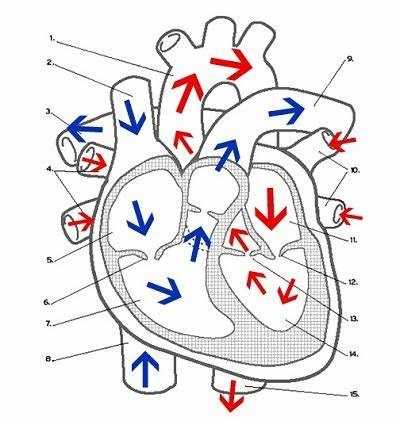
Blood begins its journey in the right atrium of the heart, where deoxygenated blood returns from the body. As the atrium contracts, the blood moves through the tricuspid valve into the right ventricle. This chamber then contracts, sending the blood into the pulmonary artery, which is responsible for carrying it toward the lungs.
Once in the pulmonary artery, the blood travels through progressively smaller branches until it reaches the lung capillaries. Here, blood flows through tiny vessels surrounding the alveoli. Oxygen from the air within the alveoli diffuses into the blood, while carbon dioxide moves from the blood into the alveoli to be exhaled.
After the gas exchange, the now oxygen-rich blood enters the pulmonary veins. These veins carry the oxygenated blood back to the left side of the heart, specifically into the left atrium. This step is crucial as it prepares the blood for distribution to the rest of the body through the systemic circulation.
Finally, the left atrium contracts and pushes the blood into the left ventricle. The left ventricle then pumps this oxygenated blood out through the aorta to supply the body with fresh oxygen. This completes the cycle, ensuring that oxygen reaches the tissues while waste gases are removed through exhalation.