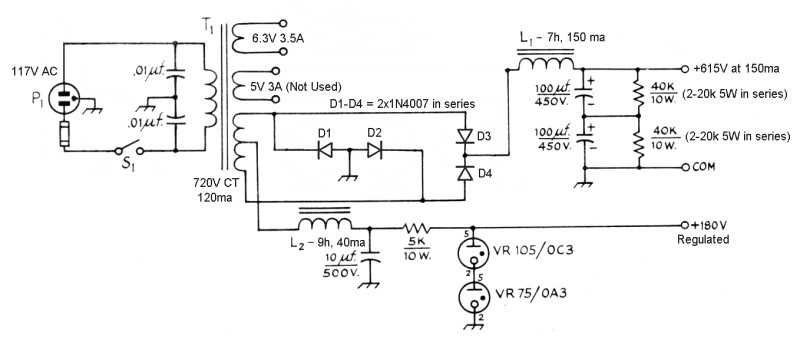
To understand how a power supply unit functions, it’s important to first identify the core components and how they interact. The primary components include transformers, rectifiers, filters, and voltage regulators. Each of these elements plays a distinct role in converting AC voltage into the stable DC voltage needed for electronic devices.
The transformer is responsible for stepping down the voltage from the mains supply to a lower level suitable for the system. The rectifier then converts the alternating current (AC) into direct current (DC), which is smoother and more consistent for powering devices. Filters are used to reduce ripples in the output, ensuring a steady flow of DC power. Finally, voltage regulators maintain a constant output, adjusting for any fluctuations in input power.
Understanding how these components are wired together allows you to troubleshoot issues effectively. For instance, if there is an issue with the output voltage, you can check the rectifier or regulator to identify the source of the problem. Similarly, if there are voltage spikes or instability, it’s important to inspect the filter or transformer for any signs of failure.
In the following sections, we’ll break down the key components in more detail and guide you through how to read these layouts, troubleshoot common issues, and ensure the unit is functioning correctly.
Understanding a Power Supply Unit Connection Layout
Start by identifying the primary components of the unit. The layout should clearly show the transformer, which reduces the high input voltage to a manageable level for the system. The transformer will typically be located at the beginning of the diagram, receiving the AC voltage and stepping it down to a lower value.
Next, locate the rectifier. This component is responsible for converting the AC into DC. The most common rectifiers used in these units are bridge rectifiers, which ensure a smoother transition between negative and positive cycles. The rectifier will typically have four diodes arranged in a bridge formation, ensuring that the output is free from AC fluctuations.
Look for the filter capacitor, which is used to smooth out any remaining ripples in the DC voltage. This component is crucial for stabilizing the output and ensuring that the connected devices receive a steady flow of power. You will usually see it placed immediately after the rectifier section in the layout.
Voltage regulation is the next critical step. A voltage regulator is used to ensure that the output remains consistent, even if the input fluctuates. This is especially important in systems that require precise voltage levels for operation. The regulator will often be connected in parallel with the load to maintain the necessary output despite input changes.
Finally, it is important to check the protective components such as fuses or circuit breakers. These parts are typically placed at the beginning of the layout to protect the entire system from power surges. Always ensure that the fuse ratings match the power requirements of your setup to avoid failure.
Key Components in a PSU Circuit and Their Functions
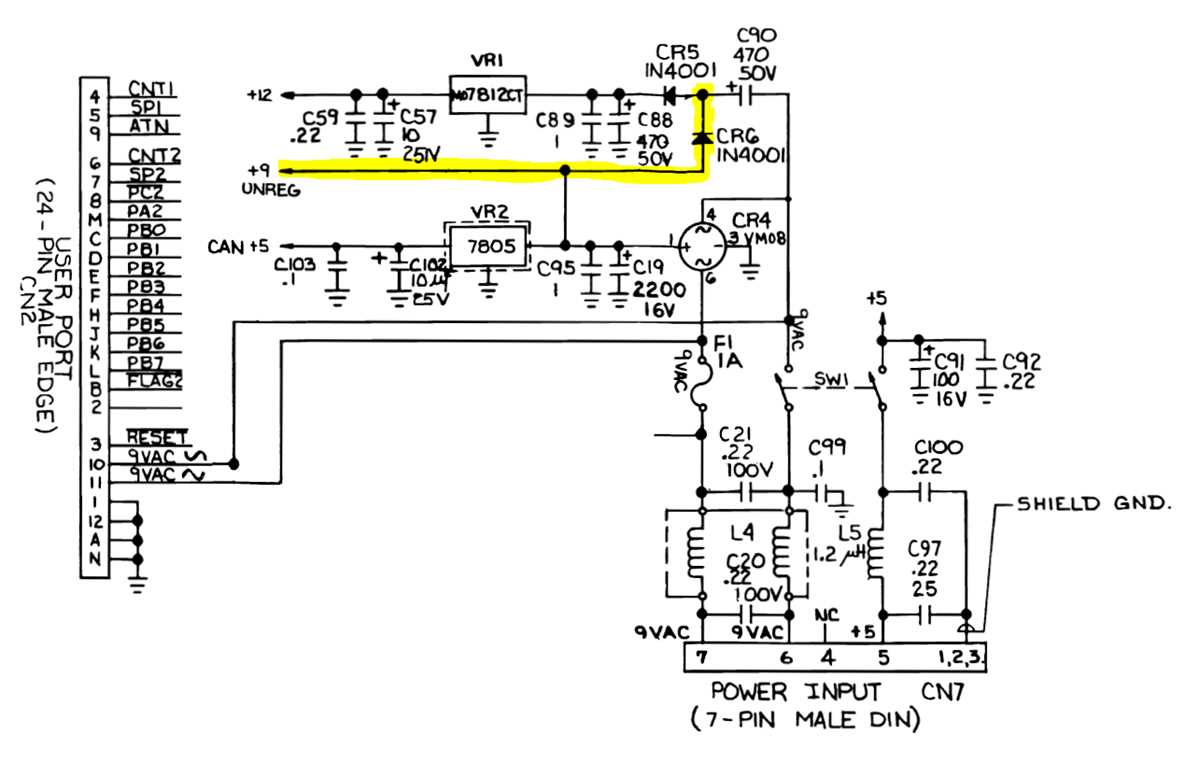
The transformer is the first key component that steps down the incoming AC voltage to a level suitable for the system. It is vital for ensuring that the voltage entering the device is not too high, which could cause damage. After the transformer, the rectifier plays a critical role in converting AC to DC. A bridge rectifier is often used to ensure that both the positive and negative parts of the AC waveform are utilized, providing a smoother DC output.
Next, the filter capacitor smooths out the fluctuations in the DC voltage, which is commonly referred to as ripple. This is important because many electronic devices require a stable DC voltage for optimal performance. The final key component is the voltage regulator, which ensures that the output voltage remains steady regardless of fluctuations in the input or load conditions. These components work together to ensure a stable and safe power supply for various applications.