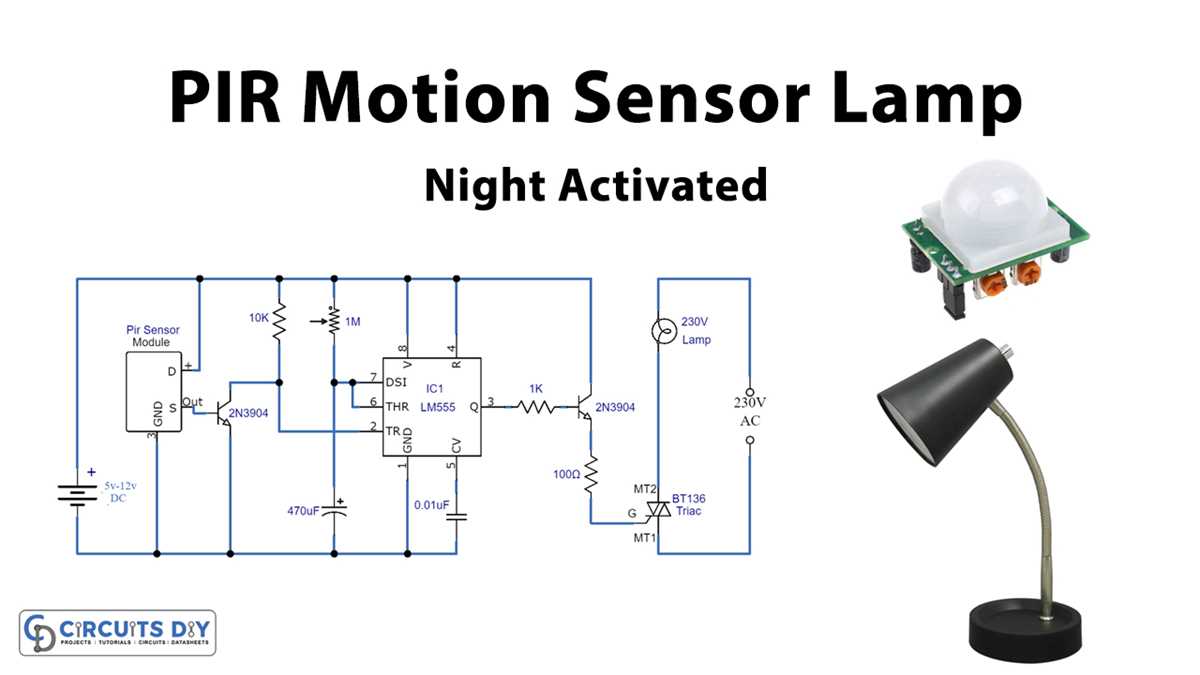
Use a stable 5-12V power supply to connect the infrared motion detector, ensuring the voltage matches the sensor rating. Overvoltage can damage the module while undervoltage may prevent accurate triggering.
Place the sensor at a height of 2 to 2.5 meters for optimal coverage, with the detection zone angled slightly downward. Avoid direct exposure to sunlight or reflective surfaces to reduce false alarms.
Connect the output terminals to the load device or relay module, keeping wires short and firmly secured. Use small inline fuses to prevent overcurrent from damaging the sensor or connected devices.
Test motion detection by walking across the coverage area and observing the signal response. Adjust the sensitivity and delay time using onboard potentiometers for accurate detection without triggering from minor movements.
Motion Sensor Setup and Connections Guide
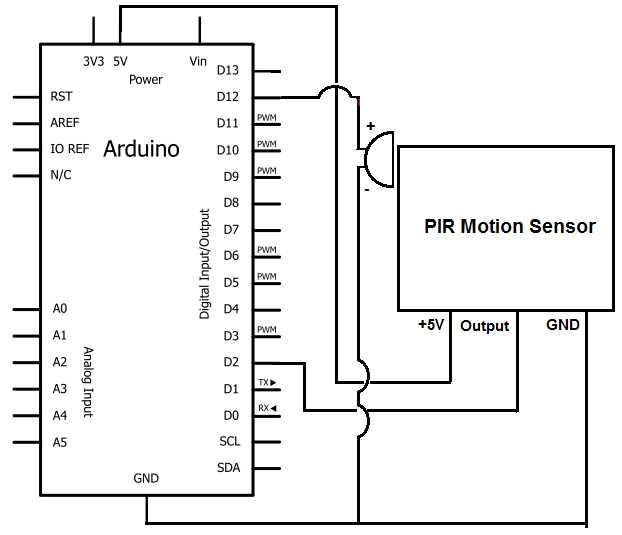
Use a stable 5V to 12V DC power source to supply the infrared motion detector module. Ensure polarity is correct to prevent damage to internal components.
Mount the sensor at 2 to 2.5 meters height with a slight downward tilt. This maximizes detection range while reducing interference from pets or small objects.
Connect the output to a relay or load device capable of handling the sensor’s switching current. Include a small inline fuse on the positive line for protection against surges.
Adjust sensitivity and delay time using the onboard potentiometers.
- Sensitivity controls the detection range.
- Delay time sets how long the output stays active after movement stops.
Use short, insulated wires to reduce voltage drop and signal interference. Secure all connections with screw terminals or soldered joints covered with heat shrink tubing.
Test detection response by walking through the monitored area and observing the output activation.
- Ensure lights or alarms trigger promptly.
- Check for false triggers from air drafts or reflective surfaces.
For multiple sensors, connect outputs through diodes to a common relay input to prevent feedback interference. This allows simultaneous coverage without false triggering.
Regular maintenance includes cleaning the sensor lens with a soft cloth and checking for loose connections. Replace damaged modules promptly to maintain reliable detection performance.
Selecting Components and Power Requirements for Motion Detection Modules
Choose a power supply that provides a stable 5V to 12V DC output, matching the sensor module rating. Overvoltage can permanently damage the sensor, while undervoltage may prevent reliable activation.
Select resistors and capacitors according to the module’s specifications for sensitivity adjustment and timing control. Use low tolerance components to maintain accurate detection intervals.
Output and Load Considerations
Verify the maximum current rating for the output pin and connect appropriate relays or LED loads. Include protective diodes or fuses to prevent backflow damage when switching inductive devices.
Choose connectors and wiring capable of handling peak current without voltage drop. Short, insulated wires reduce interference and maintain signal reliability.
Environmental and Placement Factors
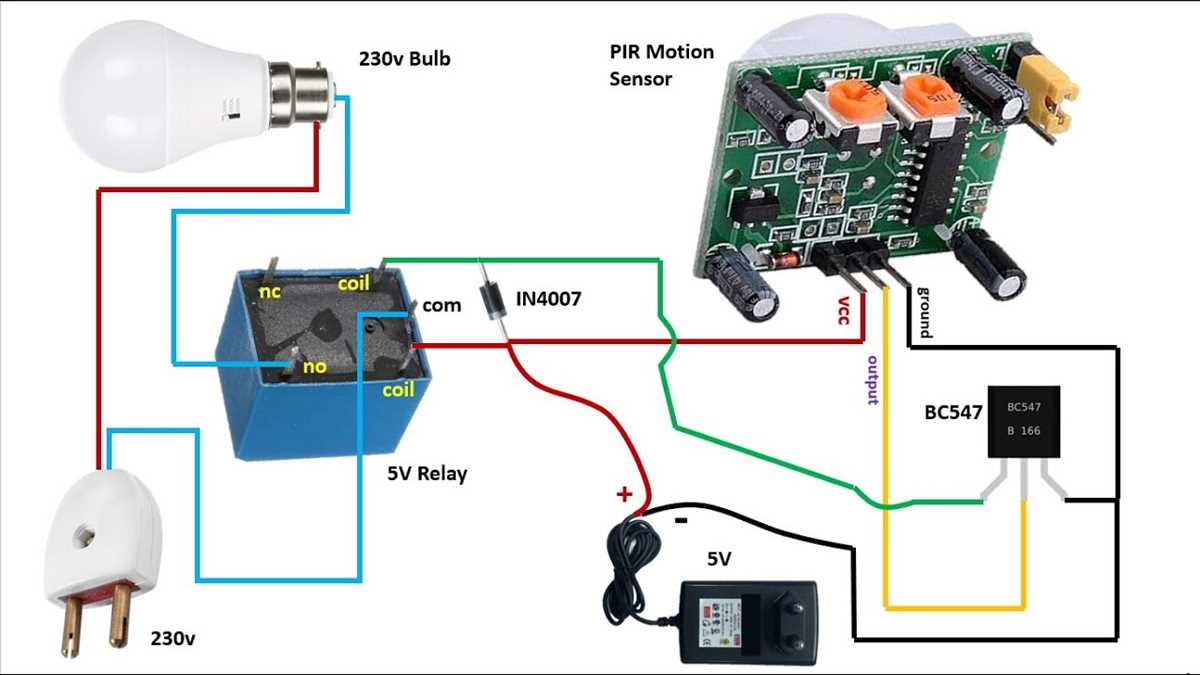
Consider temperature and humidity ratings for all components, particularly in outdoor installations. Use enclosures with ventilation to prevent condensation and overheating of electronic elements.
Test the complete setup before permanent installation. Measure voltage at input and output terminals to confirm correct operation under expected load conditions.