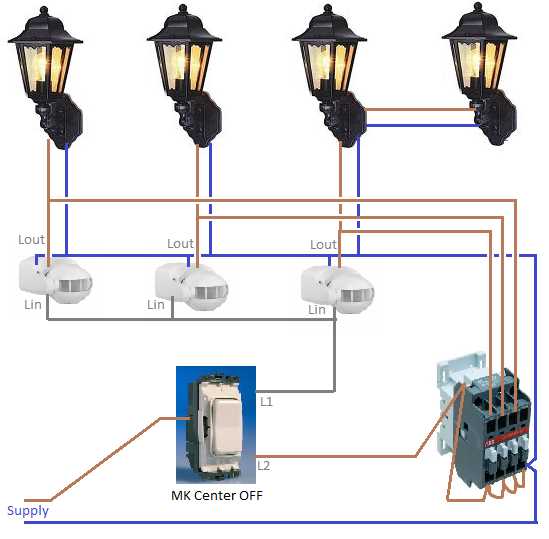
Install weather-rated lamps using UF or outdoor-rated cable routed through PVC conduit buried at least 18–24 inches below ground level. This depth protects conductors from physical damage and moisture exposure. Connect the line conductor from the distribution panel to a wall switch, then continue the switched line toward each lamp fixture.
Run the neutral conductor directly from the supply line to every fixture junction box. Avoid placing switches on the neutral path. Each lamp holder receives the switched line on the center contact and the neutral on the threaded shell. This arrangement reduces shock risk during lamp replacement.
Attach the ground conductor to metal fixture housings and junction boxes using approved grounding screws. Ground continuity protects against insulation failure or water intrusion inside fixtures. Use corrosion-resistant connectors rated for exterior installations.
Measure voltage with a multimeter before installing lamps. Residential supply normally shows 120 volts between line and neutral in many regions, while other areas use 220–240 volts. Confirm stable voltage and correct polarity before energizing the system.
Outdoor Lighting Circuit Diagram With Switch Cable Routing and Lamp Connections
Route the line conductor from the distribution panel to a wall switch using 14 AWG copper cable in conduit rated for exterior use. From the switch output, run the switched line to each lamp fixture junction box. This arrangement allows the switch to control every lamp connected along the branch.
Cable Routing and Junction Layout
Place weather-sealed junction boxes near fixture mounting points. Run the supply line through these boxes and distribute conductors to each lamp using branch connections. Typical layout includes one incoming supply cable and one outgoing cable feeding the next fixture. Keep conduit joints sealed to prevent moisture entry.
Connect the neutral conductor from the supply line directly to each lamp holder terminal without passing through the switch. This path remains continuous across all fixtures in the branch. Use waterproof wire connectors inside the junction box to prevent corrosion.
Lamp Holder and Ground Connections
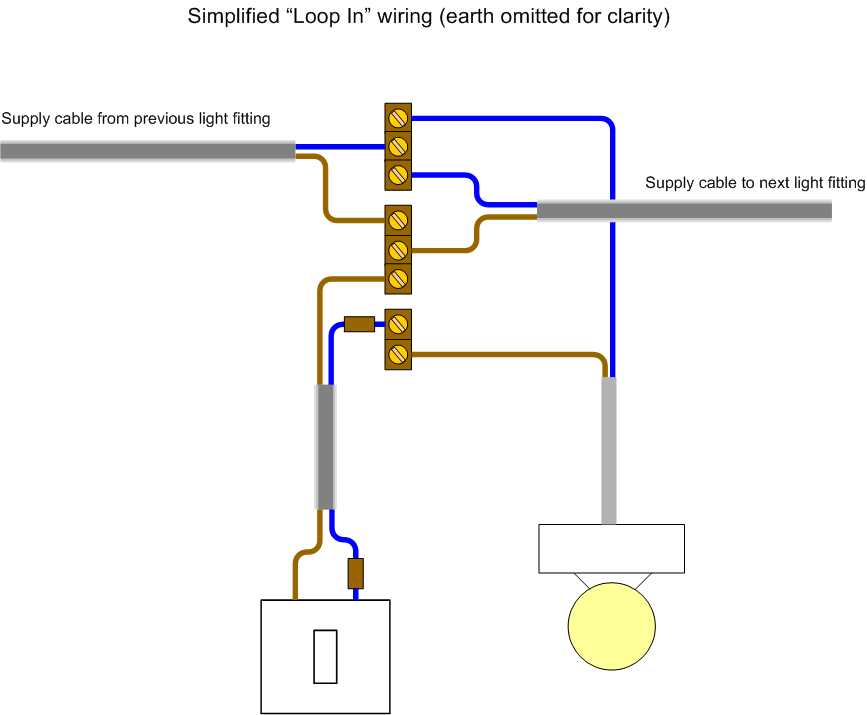
Attach the switched line to the center contact of the lamp holder and connect neutral to the threaded shell. Secure the ground conductor to metal fixture housings and junction box grounding screws. A continuous ground path protects against insulation damage caused by moisture exposure.
After completing connections, test the system using a multimeter. Measure voltage between line and neutral at each fixture box; readings should match the supply level such as 120 volts or 230 volts depending on the electrical standard used in the building.
Connecting Outdoor Lamps to a Single Switch With Proper Line and Neutral Routing
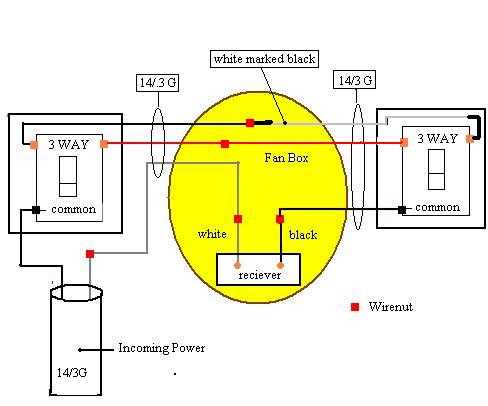
Run the phase conductor from the distribution board to the wall control unit, then route the switched line to every yard lamp in parallel. Neutral from the supply line must travel directly to each fixture terminal without passing through the control device. This layout allows one control point to energize several fixtures along the same branch.
Connection Order Inside Junction Boxes
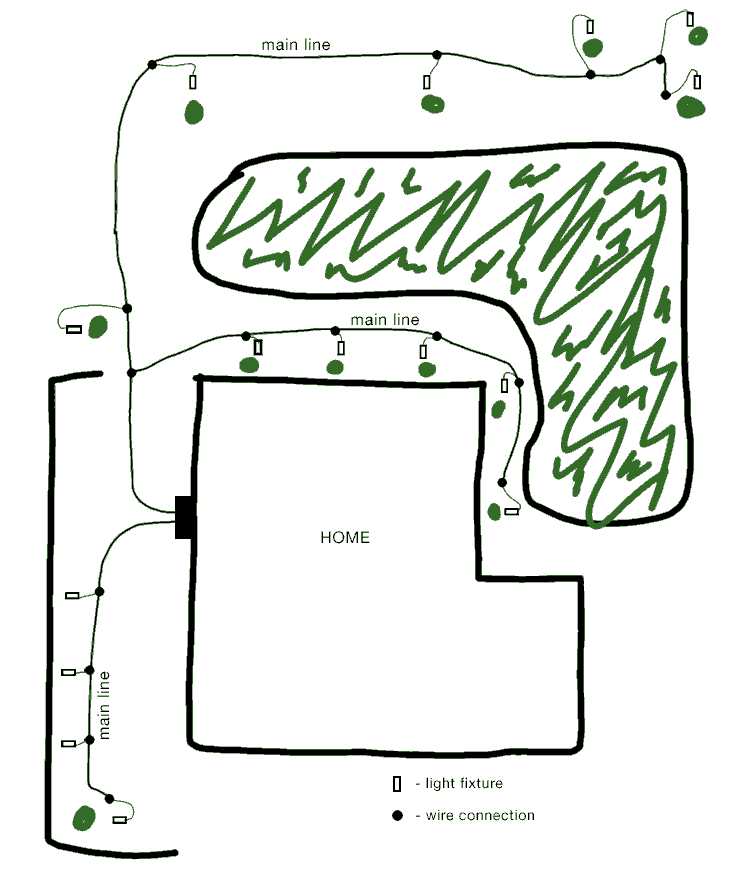
Inside each sealed junction enclosure, arrange conductors in a consistent order to prevent installation errors.
- Incoming phase from the switch connects to outgoing phase feeding the next fixture
- Neutral from the supply links directly to all lamp neutral terminals
- Ground conductor bonds metal housings and junction boxes
- Use waterproof connectors rated for exterior exposure
Maintain conductor color identification during installation. Typical assignments include:
- Brown or black – phase from switch output
- Blue or white – neutral supply path
- Green-yellow – protective earth connected to fixture body