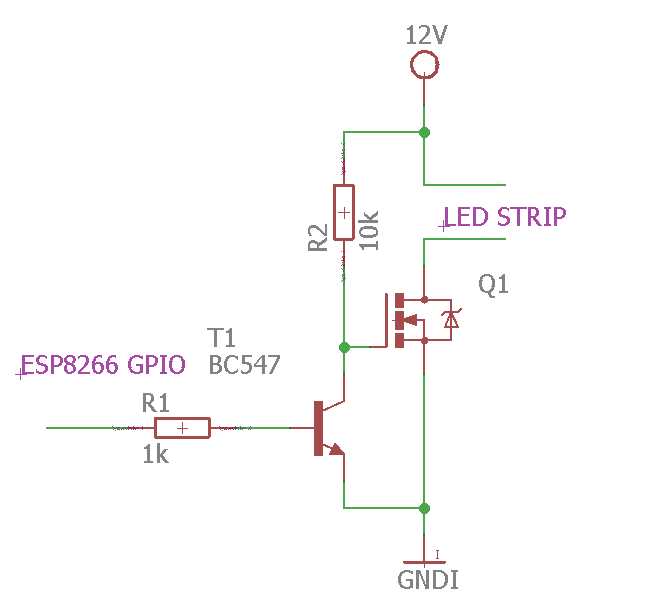
Apply the correct gate voltage to ensure the device switches fully on or off. For low-voltage logic-level components, a gate voltage of 5V–6V is sufficient, while standard units may require 10V–15V to minimize resistance and heat generation.
Check the threshold voltage marked on the component datasheet before connecting to a control source. Operating below this value can cause partial conduction, leading to excessive current and potential failure during continuous operation.
Connect the drain and source terminals according to the load type. For resistive loads, a direct connection to the supply is adequate, but inductive loads require a flyback diode to prevent voltage spikes and protect the switching element.
Test the assembly with a low-current signal before full activation. Measure voltage across the load and verify that the device fully saturates when activated and fully blocks when deactivated, ensuring safe operation under varying conditions.
MOSFET Connection Guide
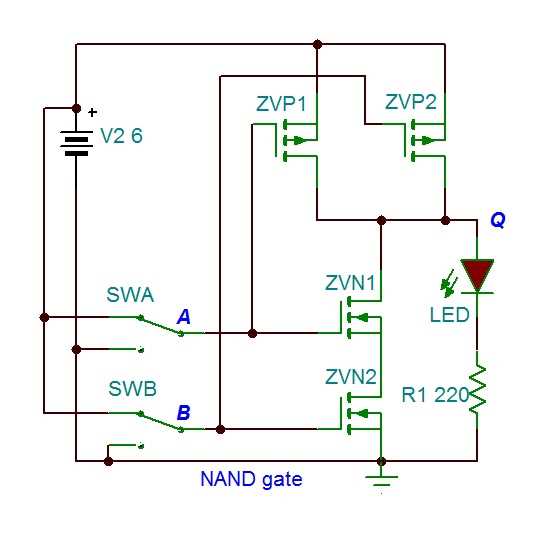
Connect the gate directly to the control voltage through a 100 Ω resistor to limit inrush current and prevent oscillations in fast switching applications.
Source terminals should be tied to the system ground for N-channel devices and to the positive supply for P-channel types to maintain predictable threshold behavior.
Drain leads must handle peak current without exceeding thermal limits; check the datasheet for maximum continuous and pulsed ratings before selecting a heatsink.
Gate Driving Options
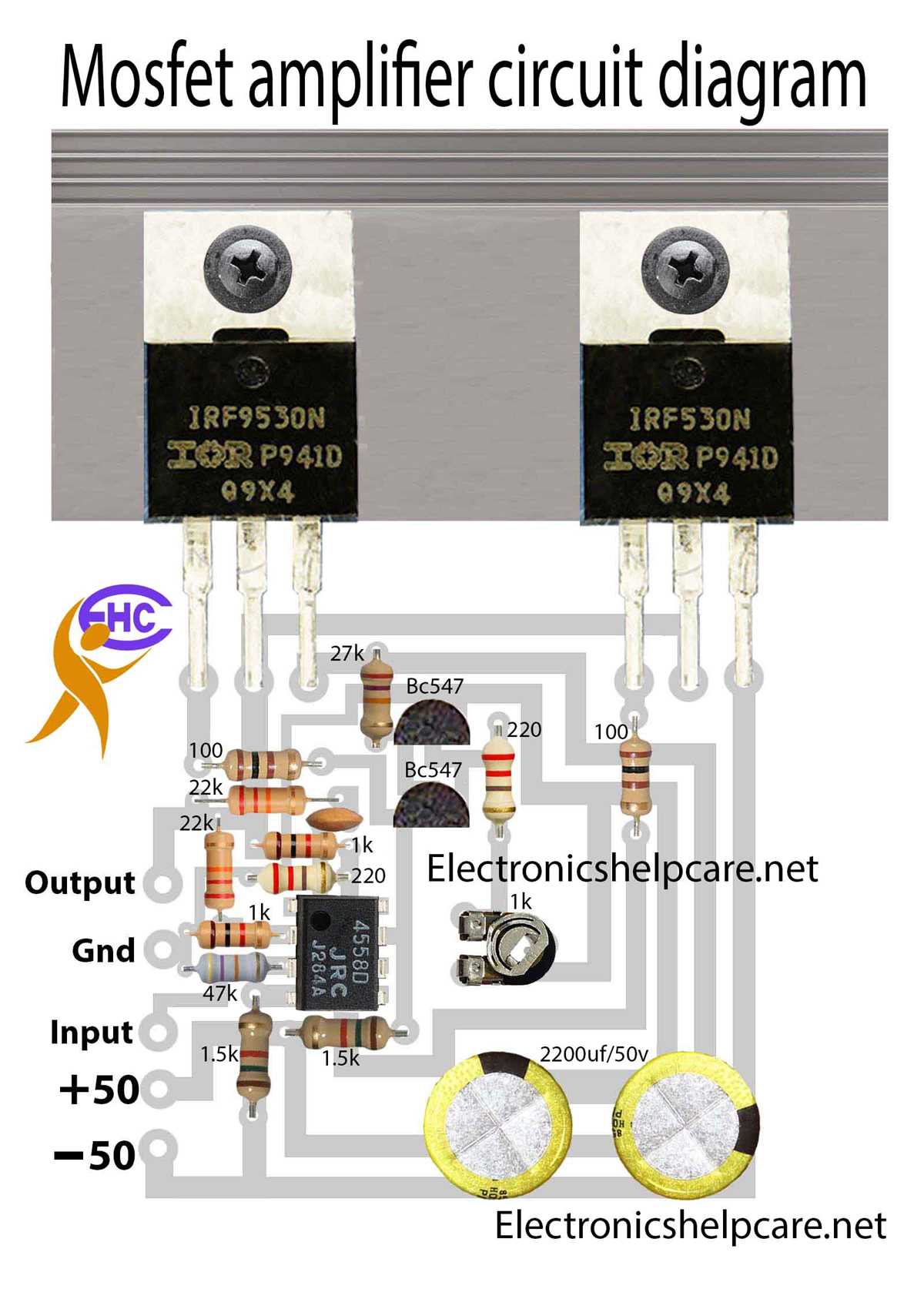
- Logic-level drivers allow direct microcontroller interface with gate capacitance up to 1 nF.
- High-speed drivers provide 5–10 A peak pulses to charge gates faster in power converters.
- Bootstrap circuits can support floating gate voltages in half-bridge or full-bridge topologies.
Include a pull-down resistor (10 kΩ to 100 kΩ) on the gate to prevent accidental turn-on during power-up or control signal glitches.
For high-voltage applications, consider series gate resistors of 1–10 Ω to dampen ringing caused by parasitic inductances along the traces.
Thermal and Layout Recommendations

- Minimize trace length between drain and load to reduce voltage overshoot.
- Use wide copper pours for source and drain to improve heat dissipation.
- Keep gate traces away from high-current paths to avoid capacitive coupling and false triggering.
- Consider soldering devices directly onto a metal core PCB for better thermal performance.
Paralleling multiple devices requires matching on-resistance and gate drive timing; small gate resistors in each device can prevent uneven current sharing and hot spots.
Always verify connections with a low-voltage test before applying full power to catch miswiring or floating nodes that can damage the transistor.
Decoupling capacitors (100 nF to 1 µF) near the drain supply help stabilize voltage spikes during fast switching and protect against ringing-induced failures.
Selecting Appropriate Gate Voltage and Threshold Levels
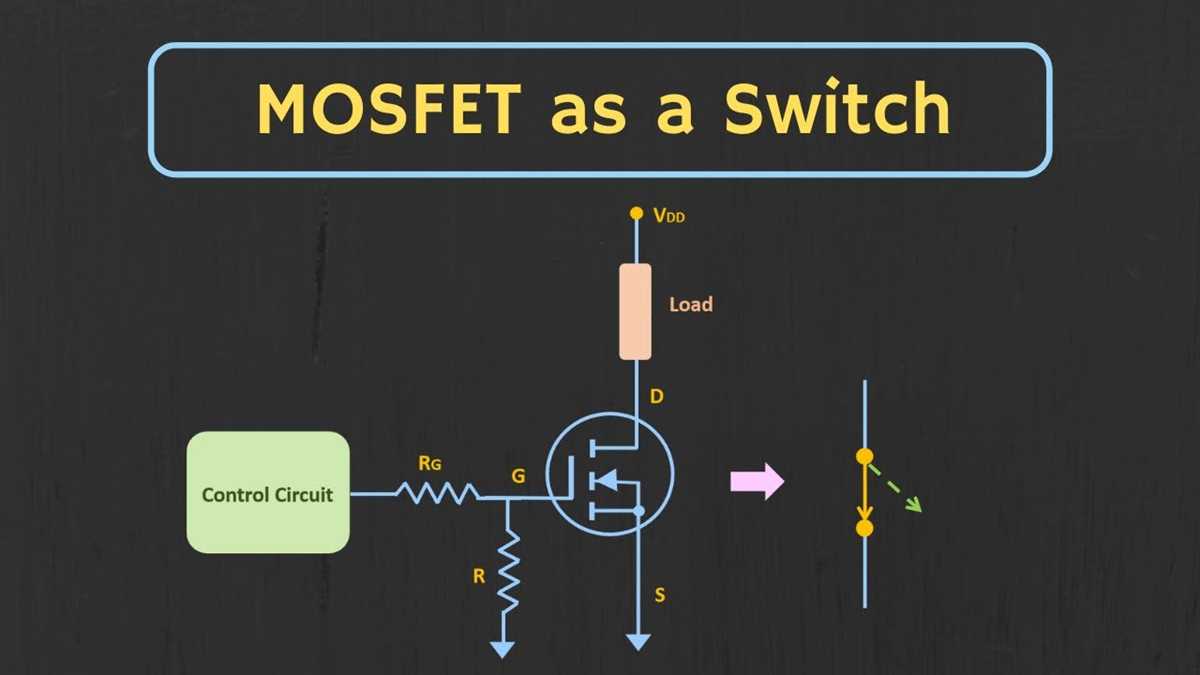
Apply a gate voltage at least 2–4 V higher than the threshold for N-channel devices to ensure full conduction while keeping the on-resistance within safe limits. For P-channel types, reduce the gate below source by the same margin. Check datasheet curves for VGS versus drain current to avoid partial conduction that increases heat.
Threshold voltage varies with temperature; for every 25 °C rise above 25 °C, expect a 5–10 mV shift. Design gate drive signals to maintain a margin above this drift to prevent unintended turn-off in power stages. Logic-level devices often require a minimum of 4.5 V for reliable switching.
Gate Drive Techniques
Use pulse-width-modulated signals with fast rise times (GS rating; many devices tolerate 20–25 V maximum. If operating near the edge, include a Zener diode clamp for protection.
For low-voltage controllers, select devices with threshold voltages under 2 V to ensure saturation. Devices with higher threshold (>4 V) may require level-shifting circuits or dedicated gate drivers to achieve complete enhancement without excessive heating.