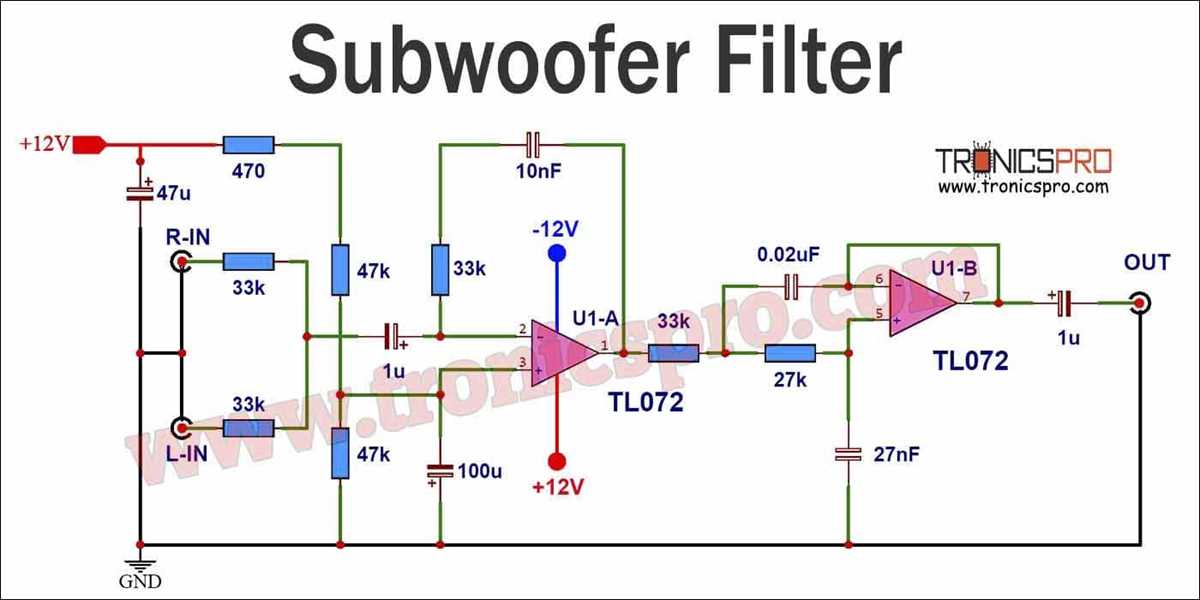
Connect the input voltage to the resistor first to control the signal amplitude before it reaches the smoothing capacitor. Verify polarity on the capacitor to prevent leakage or damage.
Measure the output across the capacitor to confirm the desired cutoff frequency. Adjust the resistor or capacitor values to fine-tune the filtering response for your application.
Keep traces short and direct to reduce parasitic inductance and prevent unwanted high-frequency noise from passing through the network.
Check solder joints and connection points for secure contact. Cold or loose joints can introduce intermittent spikes that compromise filtering performance.
Group similar signal paths to minimize cross-talk between high-frequency and low-frequency lines. Use insulated leads or separate routing channels if necessary.
Test the assembly under load to ensure stable voltage smoothing and accurate signal attenuation. Adjust component values as needed to maintain proper filtering characteristics.
Signal Filtering Layout Showing Component Connections and Paths
Connect the input terminal directly to the series resistor to control the amplitude before the signal reaches the smoothing capacitor. Ensure proper orientation to prevent reverse voltage damage.
Trace the path from the resistor to the capacitor carefully. Keep leads short and avoid loops to minimize parasitic inductance and high-frequency noise leakage.
Label all terminals and connection points including input, output, and ground. This simplifies verification and prevents accidental cross-connections when adjusting component values.
Check the capacitor for correct capacitance rating based on the target cutoff frequency. A larger value lowers the frequency threshold, while a smaller value allows higher frequencies to pass.
Grouping and Routing Recommendations
Separate high-frequency lines from sensitive analog paths to prevent interference. Use insulated traces or physical spacing to maintain signal integrity across the network.
Testing and Verification
Measure the output with an oscilloscope or voltmeter under operational conditions. Confirm that voltage fluctuations are smoothed according to design specifications and adjust resistor or capacitor values if necessary.
Identifying Resistor and Capacitor Positions for Low Pass Filtering
Place the series resistor at the input line to control the signal amplitude before it reaches the smoothing element. Verify that the resistor value matches the desired cutoff frequency calculation.
Position the capacitor immediately after the resistor to ensure proper voltage smoothing. Confirm the polarity if using electrolytic types to avoid leakage or damage.
Label each connection point clearly to track which lead connects to the input, output, and ground. This reduces the risk of misplacement during assembly or maintenance.
- Use ceramic or film capacitors for high-frequency stability
- Electrolytic capacitors provide larger capacitance for lower cutoff frequencies
- Check resistor tolerance to maintain consistent filtering performance
- Secure all components to prevent movement under vibration or handling
Follow trace routing recommendations to minimize interference. Keep the path from input to capacitor short and direct to reduce parasitic inductance.
Group similar paths separately if multiple filters are present. Avoid crossing sensitive analog lines with high-current leads to maintain clean filtering.
Test each segment individually by applying a known signal and measuring the output voltage across the capacitor. Adjust resistor or capacitor values to achieve the intended attenuation.
- Verify solder joints are solid and clean
- Inspect component leads for mechanical stress
- Ensure capacitors are rated for the voltage applied
- Document positions and values for future reference