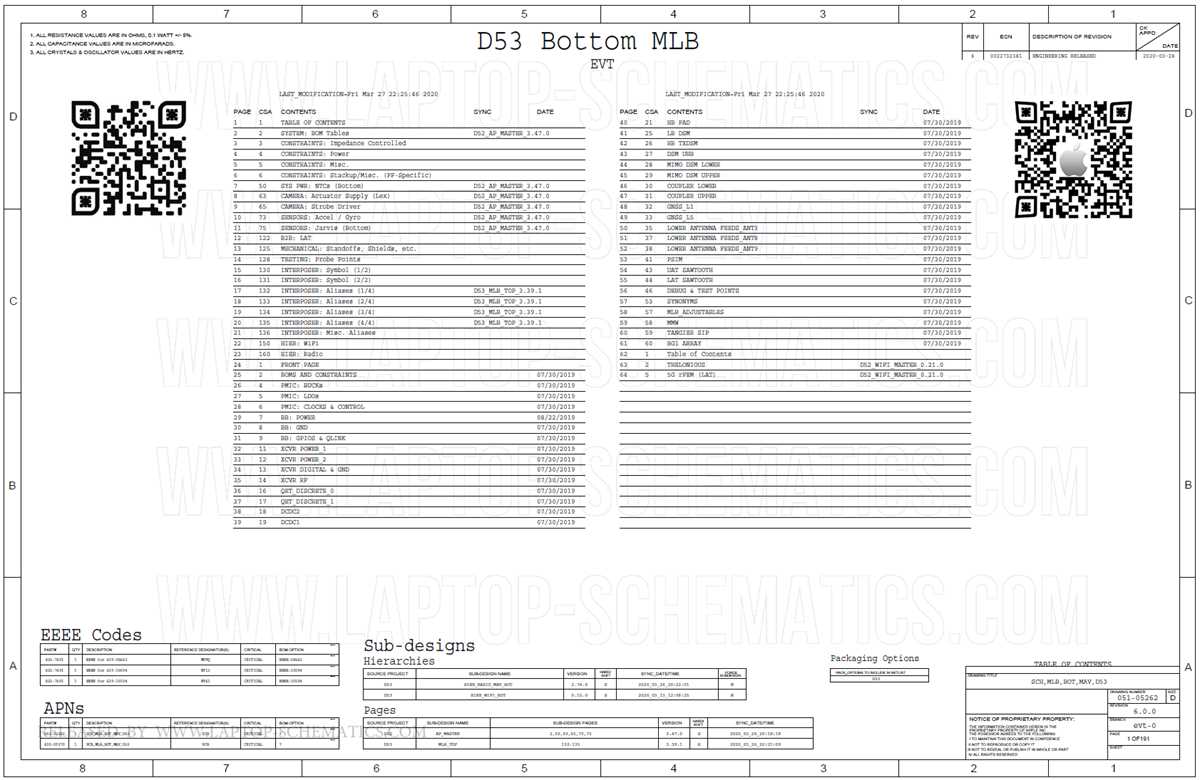
Identify the main power lines and data pathways before attempting any repair. Knowing which traces carry voltage and which transmit signals prevents accidental short circuits and helps isolate faults accurately.
Locate each connector and pin assignment carefully. Document the color coding and position of each line to ensure replacements or reconnections follow the original configuration, preserving device functionality and preventing errors.
Use a multimeter to check continuity and voltage across key points. Testing both power and signal lines confirms whether components are operational and highlights potential open circuits or intermittent connections.
Keep a detailed record of modifications or repairs. Mark any added jumpers, replaced connectors, or rerouted traces to simplify future troubleshooting and maintain consistency when servicing similar devices.
Electrical Layout and Component Connection Guide for Repairs
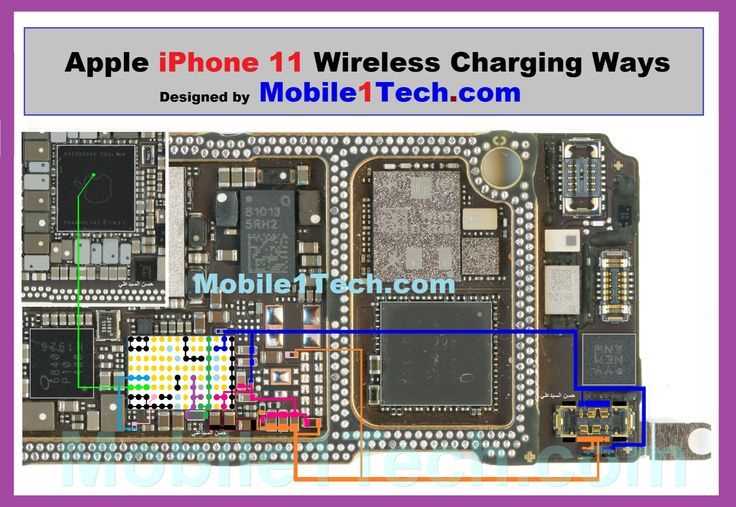
Identify the main power rails first to prevent accidental shorts. Focus on the battery input and distribution points to ensure that all subsequent testing occurs safely without damaging sensitive modules.
Trace signal lines to each module using labeled pinouts whenever possible. Record the function of each trace to distinguish between power, ground, and communication lines, which helps isolate failures accurately.
Inspect connectors for bent or corroded pins before reconnecting. A small misalignment can prevent a module from functioning properly, and corrosion can introduce resistance that affects performance.
Check voltage levels at key points with a multimeter while the device is powered. Compare readings against reference values for each module to detect under-voltage or open circuits early in the repair process.
Mapping Communication Lines
Identify data buses such as I2C or SPI to verify signal integrity. Measuring continuity and monitoring waveform quality ensures sensors and displays communicate correctly with the main processor.
Document all modifications or temporary jumpers during repair. Clear labeling prevents accidental disconnection and provides a reference for restoring the original configuration after testing or replacement.
Testing Component Functionality
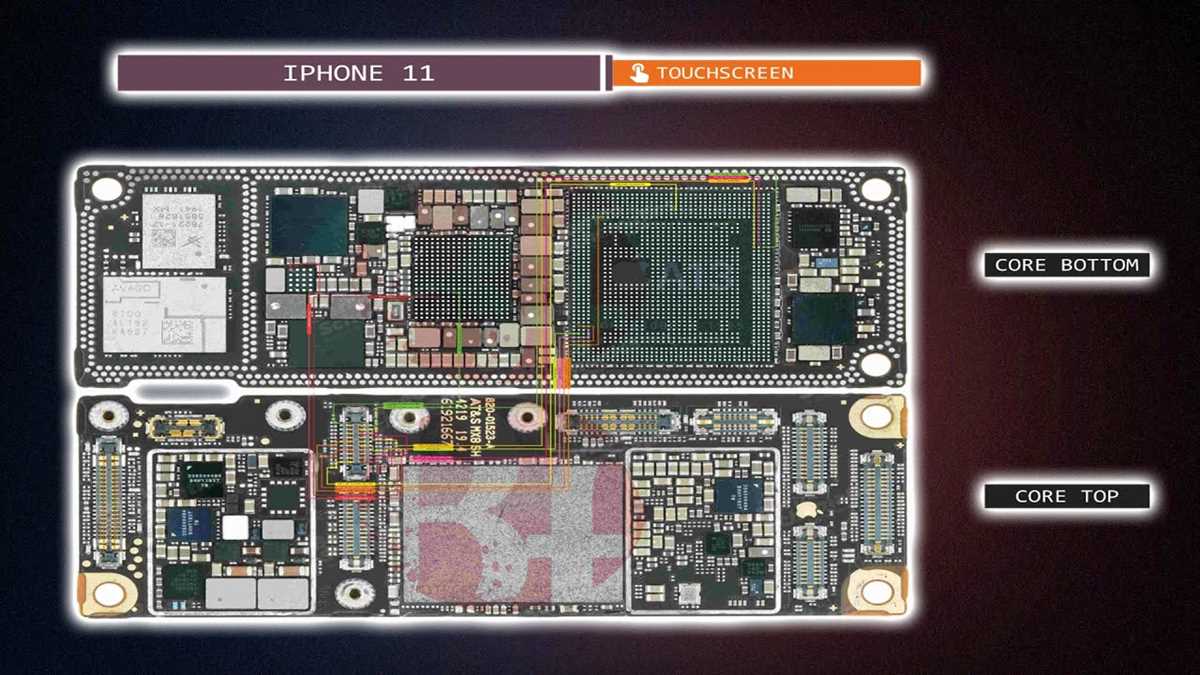
Apply power selectively to individual modules when possible. This approach isolates faults without stressing unrelated parts and allows for step-by-step verification of each module’s operation.
Use reference boards or comparison devices to confirm expected voltage and signal behavior. Comparing readings ensures that any detected anomaly is due to the target component and not external interference or measurement error.
Identifying Key Paths and Signal Lines
Start by locating the main power rails and ground planes. These are the backbone of all device operations and provide reference points for tracing data or control lines safely.
Follow signal traces from connectors to modules while noting the line color and width. Thinner lines often carry high-frequency signals, while thicker traces handle power delivery, which affects how you measure and test them.
Tracing Communication Lines
- Identify buses like I2C, SPI, and UART by checking the pin functions on each connector.
- Use a continuity tester to confirm connections between modules before applying power.
- Mark each trace with its function to simplify troubleshooting and reduce the chance of accidental shorts.
Monitor signal integrity using an oscilloscope if available. Observing waveform shapes helps detect broken, noisy, or weak connections that a simple continuity test cannot reveal.
Documenting Paths for Repairs
Record all traced lines, pins, and their functions in a reference sheet. This makes repeated repairs faster, reduces errors, and helps compare expected versus actual signal behavior during diagnostics.