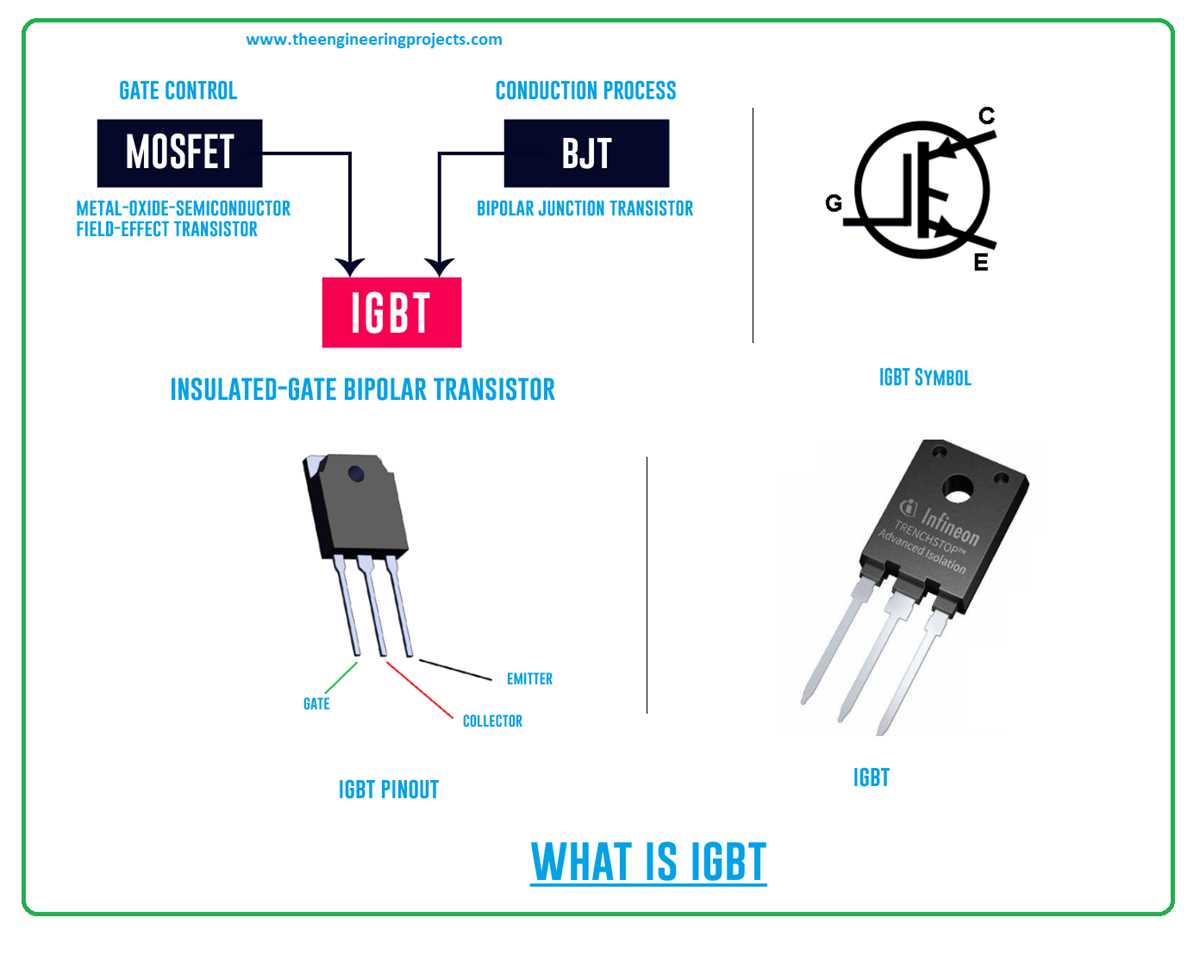
Ensure accurate connections for gate and collector terminals by following specific labeling and voltage ratings for each component. Use insulated leads and mark each path clearly to avoid misfires or short circuits.
Verify thermal and current ratings before assembling the power stage. Overloading transistors or placing them in improper sequence can result in failure and damage to surrounding components.
Integrate protection elements such as diodes and resistors at critical points to stabilize switching operations. Correct positioning minimizes voltage spikes and maintains performance over repeated cycles.
Use a reference layout or template to guide the placement of modules and connectors. Aligning components logically reduces parasitic inductance and improves switching efficiency.
Label each terminal and track conductor paths to simplify troubleshooting. A clear visual plan helps detect loose connections or improper contact before energizing the assembly.
IGBT Layouts and Connection Guide for Power Electronics
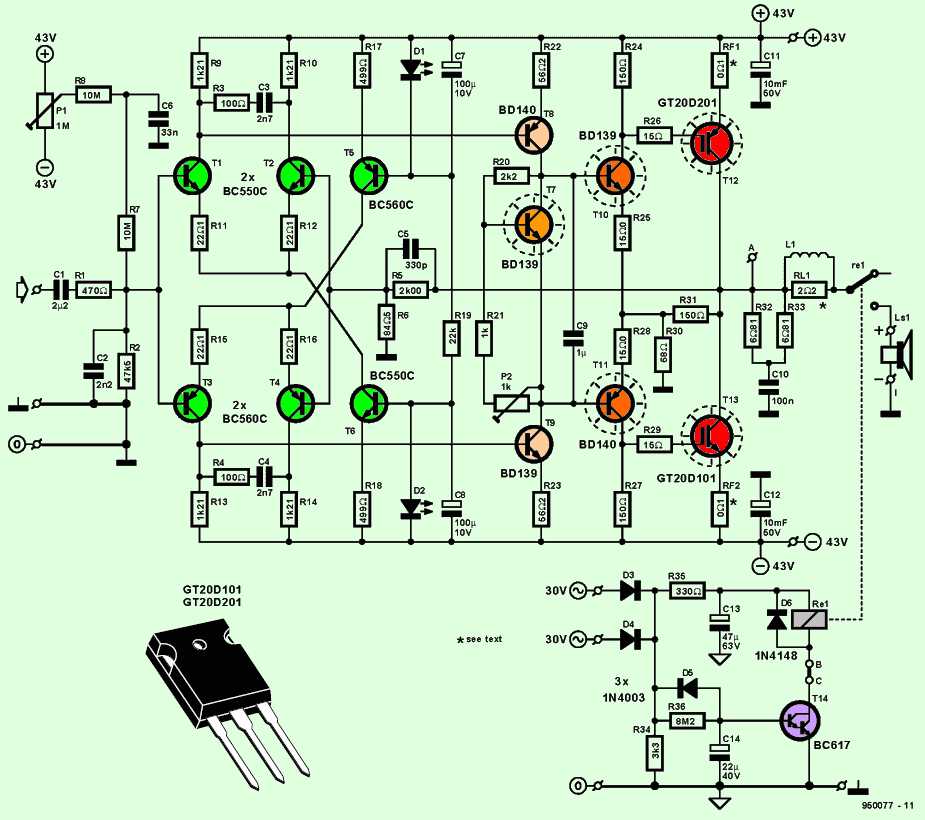
Position power modules on a flat, thermally conductive base to ensure heat dissipation is uniform. Uneven mounting can create hotspots that reduce the lifespan of the devices.
Keep gate and emitter leads short and direct to minimize parasitic inductance. Routing wires through multiple loops increases switching losses and can trigger voltage overshoots.
Separate control signals from high-current paths to prevent interference. Use shielded lines or twisted pairs for sensitive connections to maintain stable operation during load changes.
Install fast-recovery diodes across each module to suppress reverse voltage spikes. Check voltage and current ratings to match the expected load and switching frequency.
Label all terminals clearly on both modules and connectors. This practice simplifies troubleshooting and ensures the correct sequence when connecting multiple units in series or parallel configurations.
Use copper bus bars or thick traces for main power flow to reduce voltage drops. Calculate cross-sectional areas based on peak currents and include additional margin for thermal expansion.
Integrate snubber networks or RC dampers close to the device terminals. This reduces oscillations and prevents ringing that can damage semiconductors during high-speed switching.
Verify thermal pads and mounting screws for tightness and flatness before energizing the assembly. Poor mechanical contact can result in uneven heat transfer and unexpected failures under load.
Understanding IGBT Terminals and Their Functions
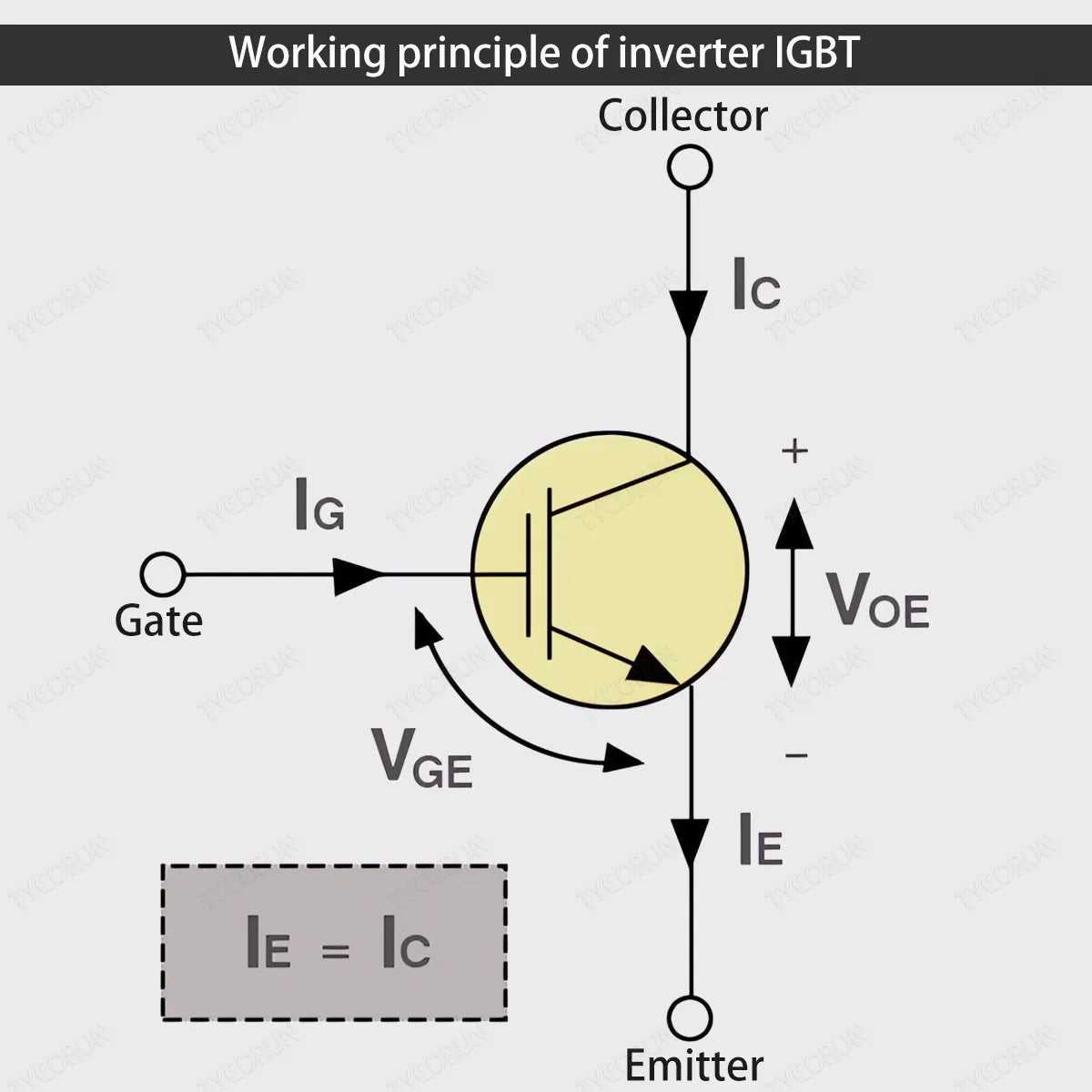
Identify the main collector terminal as the primary current-carrying connection. It handles high voltage from the supply and must be connected to thick conductors capable of supporting peak loads without overheating.
Connect the emitter terminal directly to the load return path. Minimize length and bends to reduce stray inductance that can lead to voltage spikes during rapid switching events.
Use the gate terminal exclusively for control signals. Apply pulse voltage within manufacturer-specified limits to switch the module on and off, avoiding prolonged high voltage that could degrade the internal insulation.
Observe correct polarity when linking gate resistors to prevent oscillation or unintended conduction. Incorrect orientation can result in simultaneous conduction and increased thermal stress on the module.
Separate the gate driver from the high-current paths using opto-isolators or transformers. This prevents noise from triggering false switching and maintains precise timing for power modulation.
Include test points at each terminal to monitor voltage and current during operation. Continuous measurement helps identify thermal or electrical issues before permanent damage occurs.
Follow thermal management guidelines at terminals by using heatsinks or pads that ensure uniform temperature distribution. Uneven heating can lead to localized failure and reduced reliability over multiple cycles.