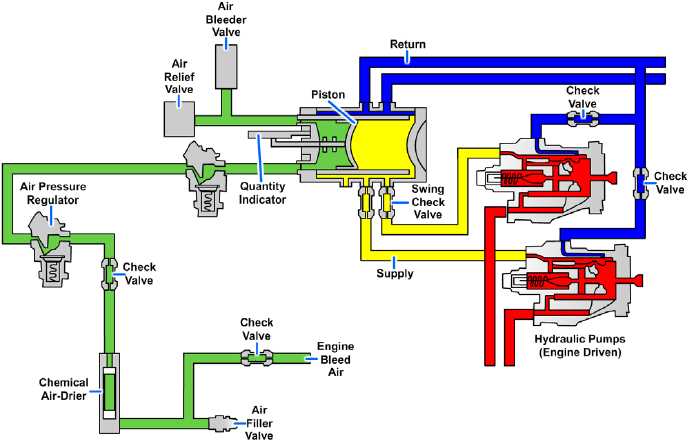
Connect the pump output directly to the main pressure line before integrating valves and actuators to maintain consistent pressure levels. Ensure all fittings are rated for the operating load and secured with torque specifications from the manufacturer.
Label each control node and reservoir link clearly to prevent backflow or cross-connections. Use color-coded hoses or tubes for high and low-pressure paths to reduce assembly errors during maintenance.
Verify flow direction at each actuator port using a directional indicator or flow sensor. Incorrect orientation can cause delayed responses or damage to pistons and motors.
Install pressure relief devices near critical valves to protect sensitive components from spikes. Position gauges at multiple points along the system to monitor real-time load distribution and identify bottlenecks.
Use rigid mounting brackets for heavy pumps and accumulators to minimize vibration and prevent line fatigue. Flexible hoses should be routed with minimal bends and secured away from heat sources.
Test the entire network with low pressure first to check for leaks and proper valve sequencing. Gradually increase to operational levels while monitoring each actuator for correct movement and response time.
Fluid Power System Layouts and Connection Techniques
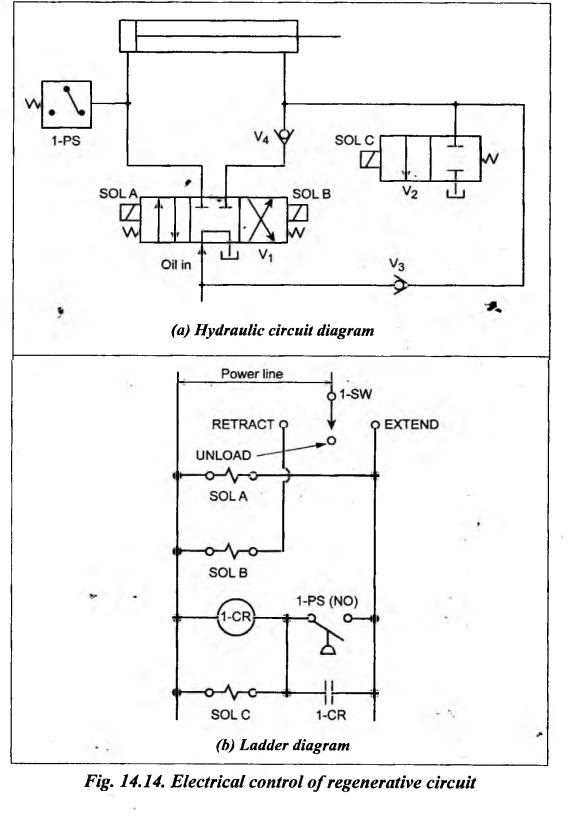
Arrange pump, reservoir, and actuators in a linear path to minimize pressure losses and simplify maintenance. Use short, straight tubing runs where possible, and secure all joints with torque-specified fittings to prevent leaks under high load.
Implement branch connections using tee or manifold blocks to distribute flow evenly to multiple actuators. Install check valves at strategic points to prevent backflow, and color-code hoses for pressure and return lines to improve identification and reduce installation errors.
Identifying Pumps Valves and Actuators in Fluid Networks
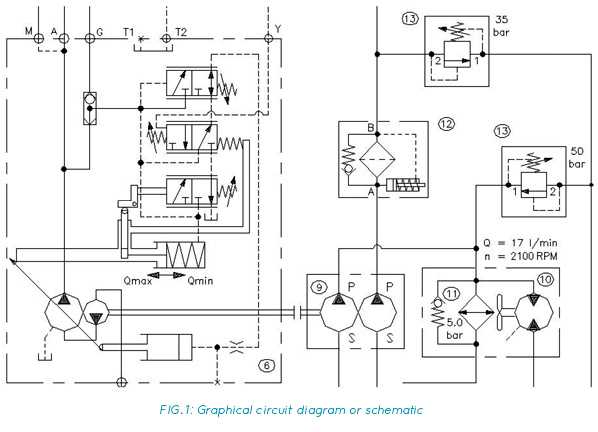
Locate the main pump near the reservoir to reduce suction losses and maintain consistent flow. Check the pump specifications for maximum pressure ratings and adjust connections to match system requirements.
Mark directional control valves clearly to indicate flow paths and switching positions. Install visual indicators where possible to monitor valve state during operation, reducing the chance of incorrect actuation.
Use pressure relief valves at critical points to protect actuators from overload. Ensure relief settings are slightly above normal operating pressure to maintain performance without triggering frequent trips.
Identify linear actuators by their stroke length and mounting orientation. Confirm that the actuator’s load capacity matches expected mechanical resistance, and install guides to prevent binding or side loads during movement.
Rotary actuators should be connected with couplings that accommodate misalignment. Verify rotation direction with temporary runs before final installation to avoid reversing load movement unintentionally.
Label all components with unique identifiers and maintain a reference sheet showing flow direction, pressure ratings, and connection points. This improves troubleshooting and ensures correct component replacement when maintenance is required.