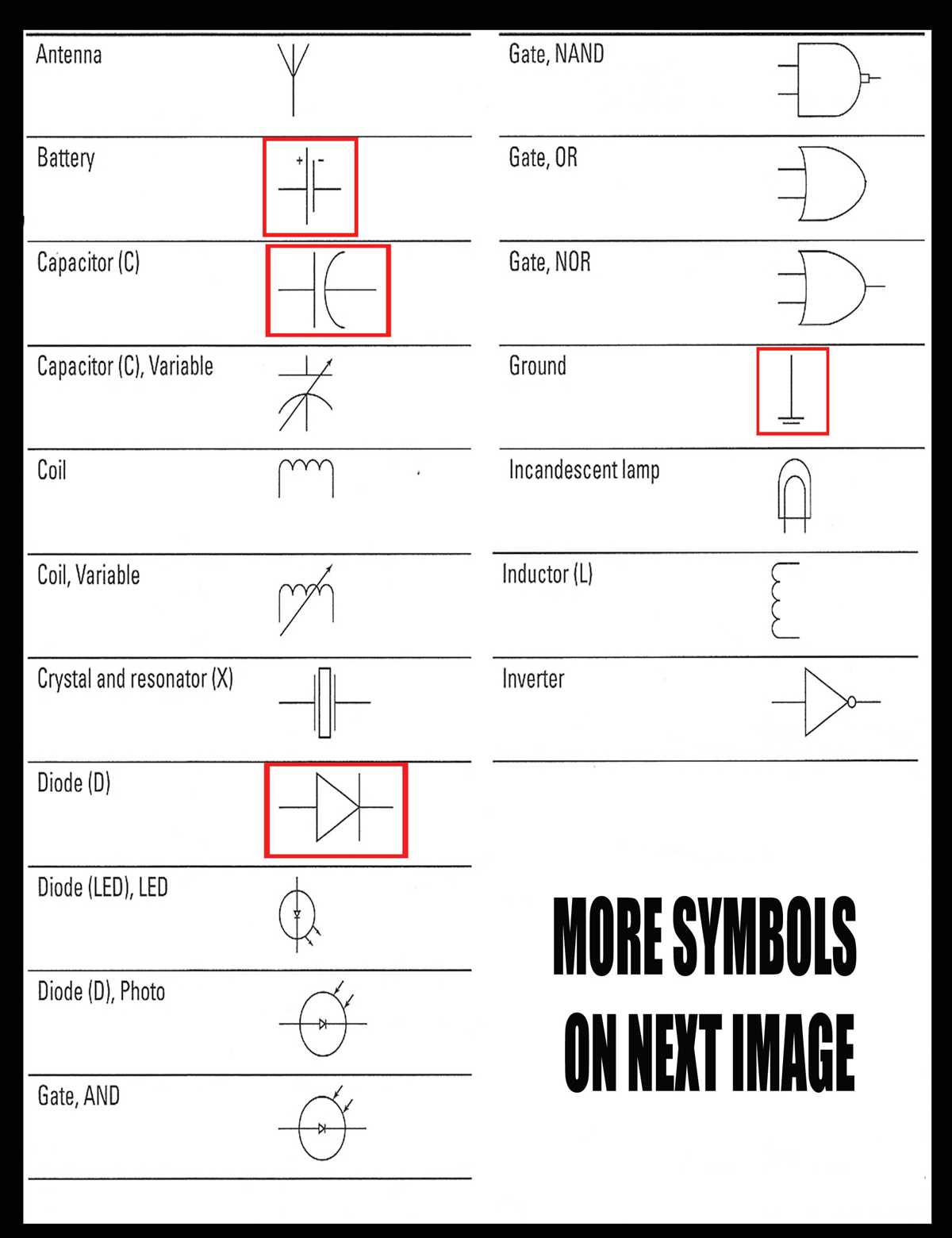
Focus on identifying standard symbols first such as resistors, capacitors, diodes, and transistors. Each symbol represents a specific component function and connection, and recognizing these quickly helps map the layout of the assembly.
Follow each line to trace the signal path from power source to load. Pay attention to junctions and nodes, where multiple leads meet, to understand how current flows through the system. Labeling each node can simplify troubleshooting and modifications.
Check component values and ratings shown alongside symbols to match specifications with real parts. Confirm voltage, resistance, and current ratings using datasheets or test equipment to prevent overload or misconnection.
Use a systematic approach to test points with a multimeter or logic probe. Start at the power input and move through each branch, verifying continuity and signal integrity to identify potential faults before powering the complete assembly.
Step by Step Guide to Reading and Understanding Electronic Circuit Schematics
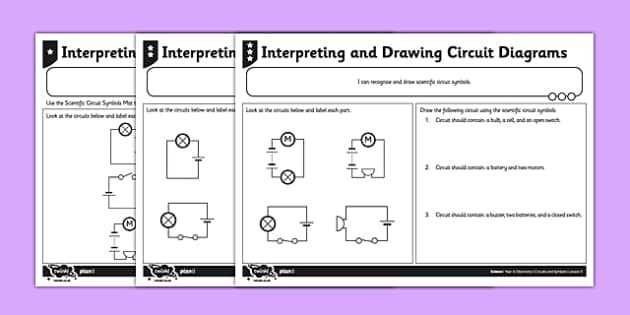
Start by identifying all symbols and labels on the schematic. Use a reference sheet to recognize resistors, capacitors, diodes, and transistors. Note polarity indicators and pin numbers for each component to ensure correct assembly.
Trace the connections methodically from the power source through each branch of the layout. Follow these steps:
- Locate the input voltage and ground terminals.
- Follow each line to its connected components, noting junctions and nodes.
- Mark each path to avoid skipping or misreading connections.
Verify component values and test points with a multimeter or continuity tester. Check resistor and capacitor values, confirm transistor pinouts, and ensure power supply lines match specifications. Document any discrepancies for correction before powering the assembly to prevent damage and ensure reliable operation.
Identifying Common Symbols and Component Labels
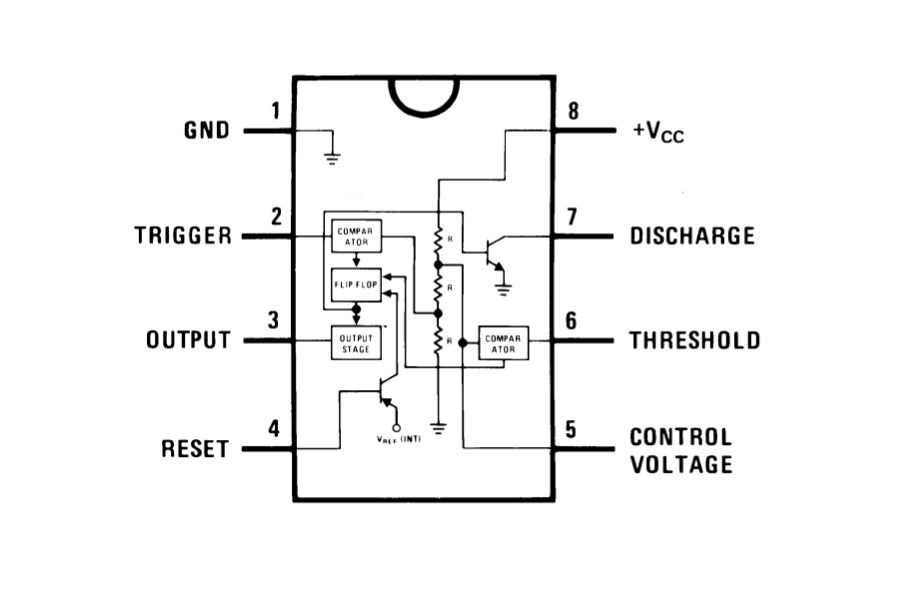
Focus first on resistors and capacitors, which are the most frequently used components in electronic assemblies. Resistors are shown as zigzag lines or rectangles with value markings in ohms, while capacitors appear as parallel lines with polarity indicated for electrolytic types.
Recognize diodes and LEDs by their triangle and line symbols. The triangle points toward the cathode, and LEDs include arrows showing light emission. Confirm voltage and current ratings alongside the symbol to match the real component.
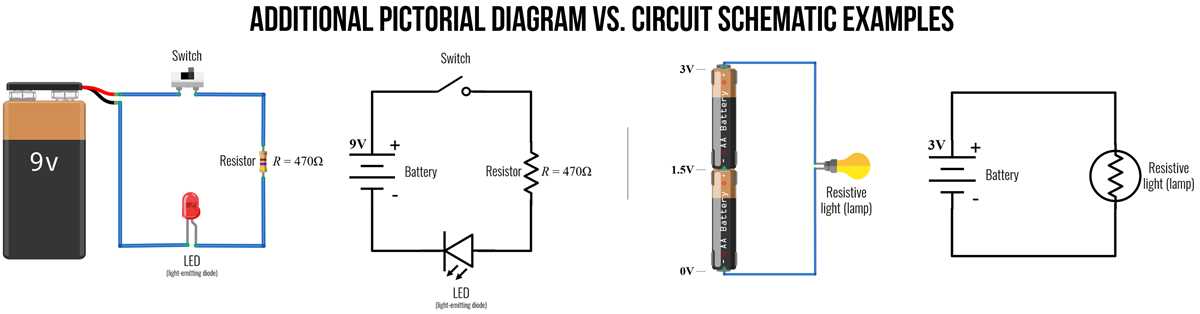
Transistors and ICs require careful attention to pin numbers and orientation. Bipolar junction transistors use E, B, and C labels for emitter, base, and collector, while MOSFETs have D, G, and S for drain, gate, and source. Integrated circuits are usually represented by rectangles with pin numbers around the edges.
Switches and connectors are shown with their mechanical positions and contact labels. SPST, SPDT, and DPDT switches differ in the number of poles and throws, and connector blocks often have pin numbers for accurate assembly.
Annotate each symbol with real-world values and verify connections visually against the assembly plan. Marking resistances, capacitances, and supply voltages on the schematic simplifies troubleshooting and ensures components are installed correctly, preventing miswiring or damage.