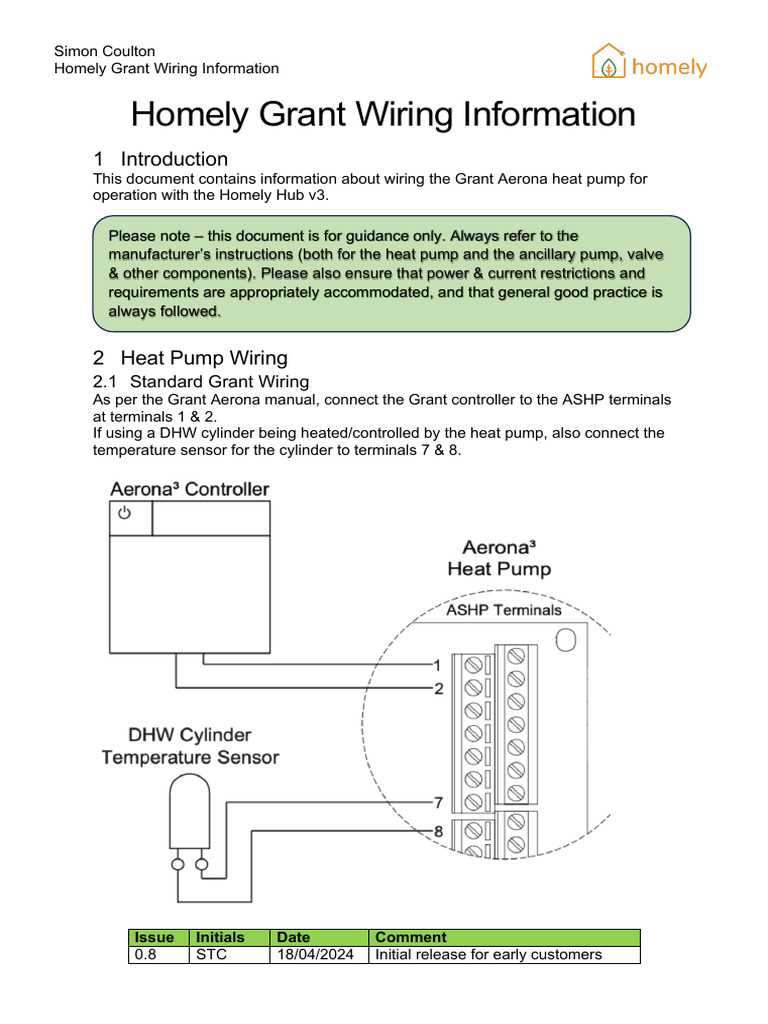
Connect the line voltage from the main panel to the breaker dedicated to the unit before attaching control conductors. Ensure that the R, C, Y, and O/B terminals on the thermostat are correctly identified and matched with the corresponding wires to prevent short circuits or incorrect mode operation.
Route the control cable to the outdoor compressor module and confirm the reversing valve lead is attached to the proper terminal marked O or B. Incorrect placement can reverse the heating and cooling modes, causing the system to operate counter to the thermostat settings.
Inside the air handler, connect the fan relay, transformer, and common terminal carefully. Keep the low-voltage control lines separate from high-voltage power conductors, and use wire nuts or listed connectors to secure all splices. Verifying each conductor with a multimeter before energizing the circuit prevents damage to the electronic components.
Ground all metal enclosures and attach the protective conductor to green terminals on both the indoor and outdoor modules. A continuous grounding path ensures safety and proper operation of protective devices during fault conditions.
Heat Pump Electrical Connections With Thermostat and Outdoor Unit Setup
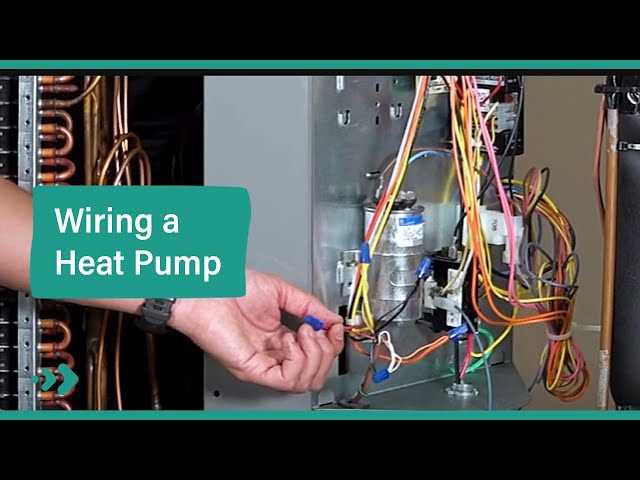
Connect the main power supply to a dedicated breaker before attaching control lines. Identify the R, C, Y, and O/B terminals on the thermostat and match each conductor accurately. Incorrect placement can reverse operational modes or prevent the system from responding to setpoint changes.
Route the low-voltage cable to the outdoor compressor module and secure the reversing valve wire to the terminal marked O or B. Use wire nuts or listed connectors for all splices, and maintain separation between low-voltage control lines and high-voltage conductors to avoid interference or shorts. Verify each connection with a multimeter before energizing the circuit.
Inside the indoor blower module, attach the fan relay, transformer, and common terminal.
- Ensure grounding of all metal enclosures.
- Connect the protective conductor to green screws on both indoor and outdoor units.
- Confirm that the common and neutral lines are properly tied and isolated from control leads.
Following these steps secures reliable operation and minimizes risk of damage to electronic components.
Thermostat Terminal Connections and Control Wire Identification
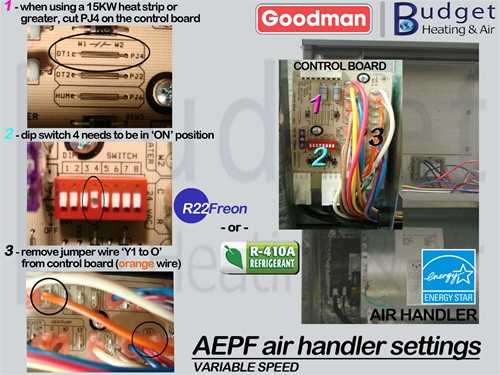
Identify the R terminal as the primary 24-volt supply from the transformer. Use a red conductor and confirm voltage with a multimeter before attaching it to prevent reverse polarity issues.
Connect the C terminal to the common side of the transformer to complete the low-voltage control circuit. This conductor typically uses blue or black insulation and must remain isolated from line voltage conductors.
Attach the Y terminal to the cooling contact on the outdoor module. Use a yellow conductor and ensure the connection reaches the compressor contact without any splices or loose connections that could trigger intermittent operation.
The O/B terminal controls the reversing valve for mode selection. Identify the correct wire color–usually orange for O or blue for B–and verify it with the manufacturer’s label. Misconnection can cause the system to operate in the opposite mode.
The G terminal energizes the indoor fan relay. Use a green conductor and check continuity from the thermostat to the blower relay. Ensure the conductor is free from damage and does not contact high-voltage terminals.
Verify that any auxiliary or emergency heat terminals (typically labeled W1, W2, or E) are correctly connected to the supplemental heating module. Use white conductors and confirm polarity to prevent the backup system from running continuously.
Label each conductor with its corresponding terminal to avoid confusion during installation. Use a wire marker or colored tape to differentiate between R, C, Y, O/B, G, and W connections.
Before final assembly, test the complete control circuit with a low-voltage tester. Confirm that each terminal properly actuates the intended component, including fan operation, reversing valve switching, and compressor engagement, ensuring reliable system response.