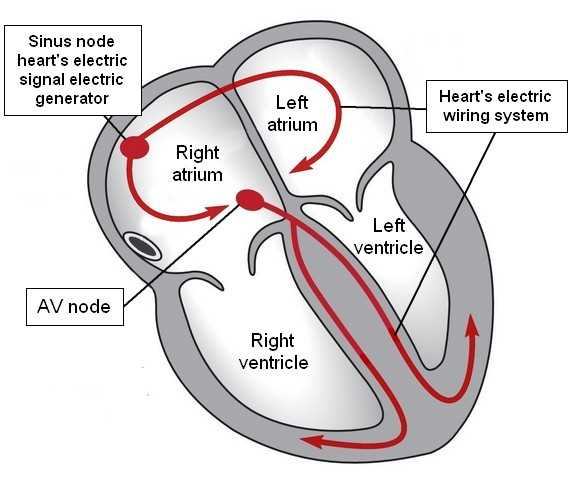
Identify the sinoatrial node as the primary signal initiator and trace its conduction through the atrial tissue. This ensures proper timing for atrial contraction and maintains coordinated flow into the ventricles.
Follow the atrioventricular node connections carefully to observe the controlled delay that allows complete ventricular filling. Monitoring these pathways helps in diagnosing conduction abnormalities and planning interventions.
Map the bundle branches and Purkinje fibers to track rapid signal propagation through the ventricles. Accurate knowledge of these pathways is critical for interpreting electrocardiograms and detecting arrhythmias.
Use electrode placement strategically to measure signal flow accurately. Proper lead positioning ensures reliable readings for both clinical assessments and experimental studies of cardiac electrical activity.
Understanding Heart Electrical Pathways with Connections and Signal Flow
Start by locating the sinoatrial node at the upper atrial wall. This node initiates each impulse and sets the pace for atrial contraction. Observe the sequential depolarization that follows its activation to ensure proper rhythm maintenance.
Trace the atrial conduction pathways to follow how impulses spread across the atrial tissue. Use mapping techniques to identify rapid versus delayed conduction zones, which can affect timing and overall cardiac output.
Focus on the atrioventricular node connections as the key delay point. Measure the conduction interval here to assess ventricular filling adequacy. Abnormal delays may indicate blockages or conduction disorders that need attention.
Monitor the bundle of His and its branches for precise signal distribution. These pathways transmit impulses quickly to the ventricles, and proper alignment is critical for synchronized ventricular contraction.
Follow Purkinje fiber extensions to verify rapid depolarization of ventricular muscle. Check for uniform activation along these fibers to detect potential conduction gaps or areas prone to arrhythmias.
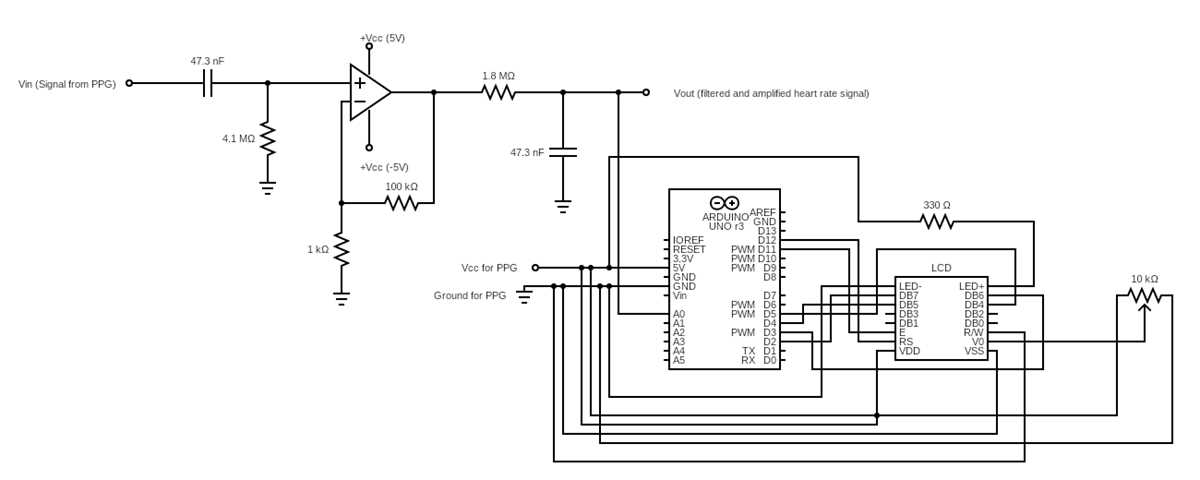
Use electrode placement effectively to capture signal flow at multiple points. Strategic placement allows accurate recording of conduction velocities and waveform patterns for clinical or research purposes.
Compare measured signals with normal patterns to identify deviations in amplitude or timing. Variations can indicate ischemic regions, hypertrophy, or conduction abnormalities that require intervention or further evaluation.
Integrate data from all nodes and pathways to construct a comprehensive view of electrical activity. Cross-reference atrial and ventricular timings to ensure proper coordination and predict areas at risk for arrhythmic events.
Mapping the SA and AV Node Connections
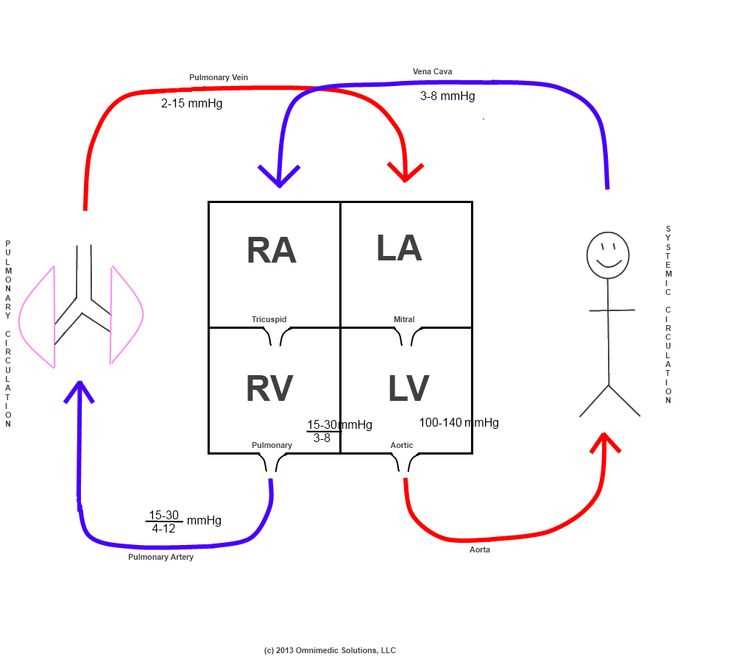
Locate the sinoatrial node at the junction of the superior vena cava and the atrial wall. Mark its precise position to ensure accurate tracking of initial electrical impulses and to maintain proper atrial pacing.
Follow the conduction fibers extending from the SA node to observe the sequential activation of atrial tissue. Note the preferential pathways that allow rapid transmission to the atrioventricular node.
Identify the atrioventricular node situated near the lower interatrial septum. Measure the conduction delay it provides, which is critical for allowing complete ventricular filling before contraction.
Trace the connecting fibers between the SA and AV nodes to verify that impulses reach the ventricles in a coordinated manner. Look for any abnormal branching or slowed conduction zones that may indicate dysfunction.
Use multiple electrode points along the nodes to record conduction timing. This helps determine precise intervals between atrial depolarization and ventricular activation and detects potential arrhythmic triggers.
Compare observed conduction patterns with standard activation sequences to identify anomalies. Abnormal signal delays or blockages in the SA-AV pathway can guide targeted intervention and risk assessment for conduction disorders.