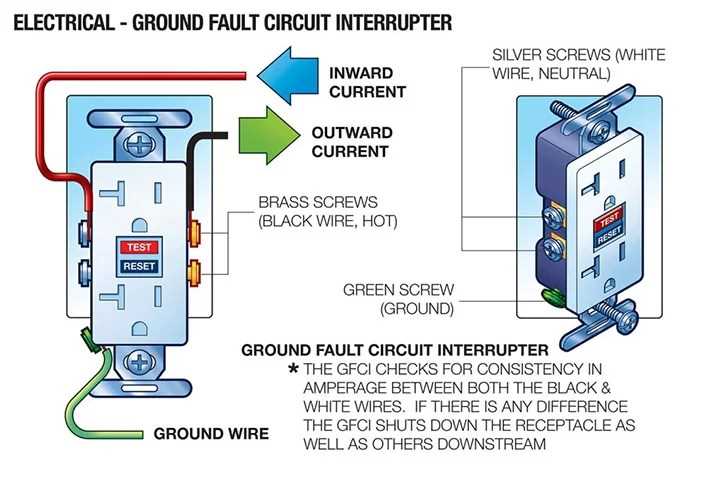
Connect the incoming power conductors to the terminals labeled LINE before attaching any downstream cables. This type of protective receptacle monitors the difference between hot and neutral current and disconnects power within milliseconds if leakage to ground occurs. Misplacing supply and load conductors prevents the protection system from operating correctly.
Inside the device body there are two terminal groups. The LINE pair receives power from the service panel, while the LOAD pair supplies additional receptacles that should receive ground-fault protection. Brass screws normally accept the hot conductor, silver screws accept the neutral conductor, and the green terminal connects to the equipment grounding conductor.
Correct conductor placement matters because the protection mechanism constantly compares current flow through the hot and neutral paths. A difference of roughly 4 to 6 milliamps triggers a rapid shutdown. This reaction time typically occurs in less than 1/40 of a second, preventing dangerous shock conditions in areas exposed to moisture.
Install this protective receptacle in kitchens, bathrooms, garages, and outdoor locations where contact with water is possible. Building codes in many regions require ground-fault protection in these areas. Once installed, press the TEST button to simulate a fault condition and confirm that power disconnects, then press RESET to restore normal operation.
GFCI Outlet Wiring Diagram with Line Load Terminals and Ground Connection Guide
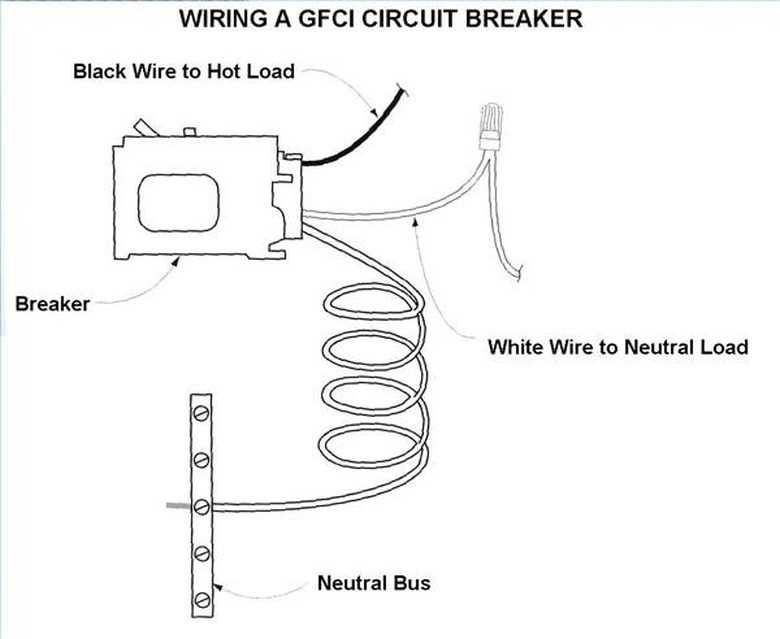
Attach the incoming hot and neutral conductors to the terminals marked LINE before connecting any additional cables. This safety receptacle monitors the balance between phase and neutral current and disconnects power within milliseconds if leakage to ground occurs. If supply conductors are mistakenly connected to the LOAD side, the protection mechanism will not guard the device itself.
Line and Load Terminal Identification
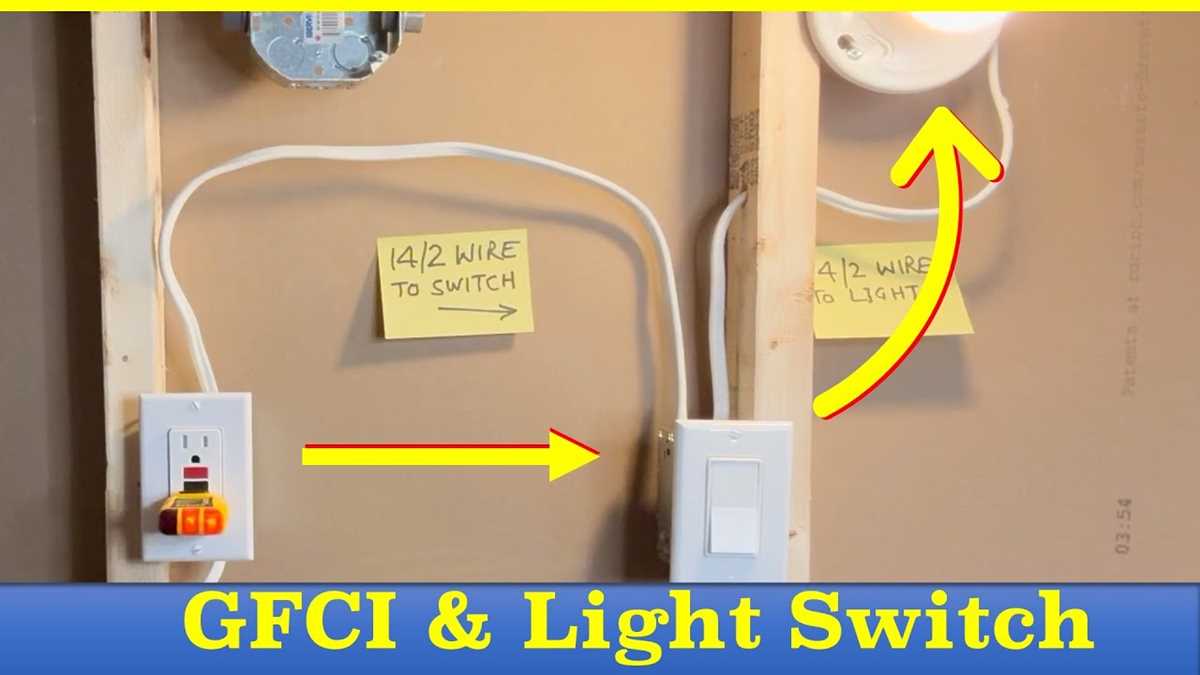
The rear of the device contains two separate terminal pairs hidden behind labels or tape. The LINE terminals receive power directly from the electrical panel. The LOAD terminals supply downstream receptacles that should also receive ground fault protection. Brass screws accept the phase conductor, silver screws accept the neutral conductor.
Downstream protection allows several standard receptacles to share one protective device. When connected through the LOAD terminals, any imbalance detected at the primary unit disconnects power to all connected receptacles. This arrangement is common in bathrooms, kitchens, and outdoor locations where multiple points require ground fault protection.
Ground Connection and Conductor Placement
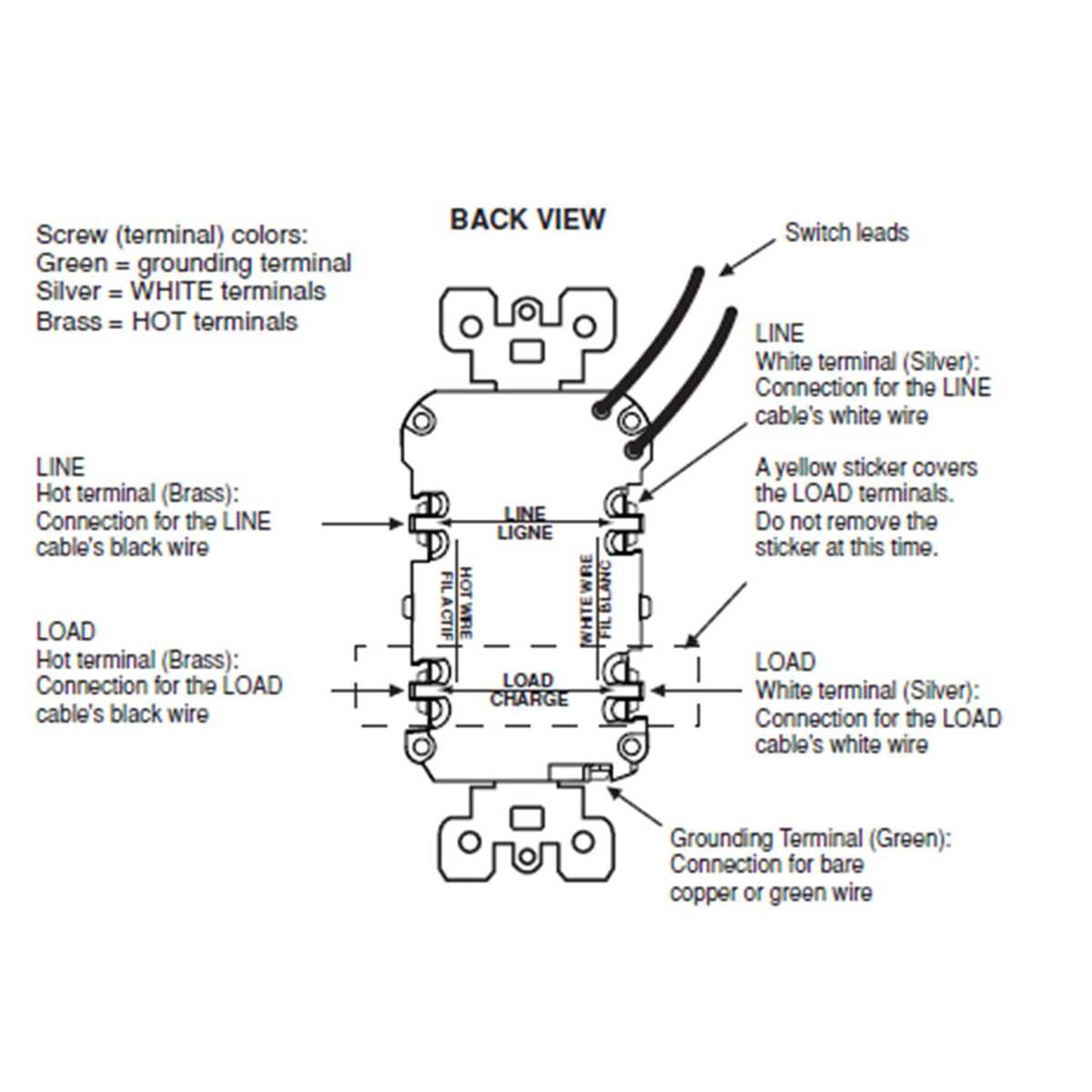
The equipment grounding conductor connects to the green terminal screw on the device frame. This conductor provides a low resistance path to the service panel grounding system and stabilizes the protection mechanism during a fault event. Secure the grounding conductor tightly and ensure bare copper or green insulation contacts the terminal clamp.
Correct conductor placement inside the electrical box prevents overheating or loose connections. Strip approximately 12 to 15 millimeters of insulation, bend the conductor into a clockwise hook, and tighten the terminal screw firmly. Push excess conductor length neatly into the box without sharply bending the insulation.
Press the TEST button after installation to verify protection response. The internal sensing coil should immediately disconnect power, causing the RESET button to pop outward. Restore operation by pressing RESET. If the device does not trip during testing, disconnect power and recheck terminal assignments before placing the receptacle into service.
Connecting Line and Load Terminals on a GFCI Outlet for Downstream Protection
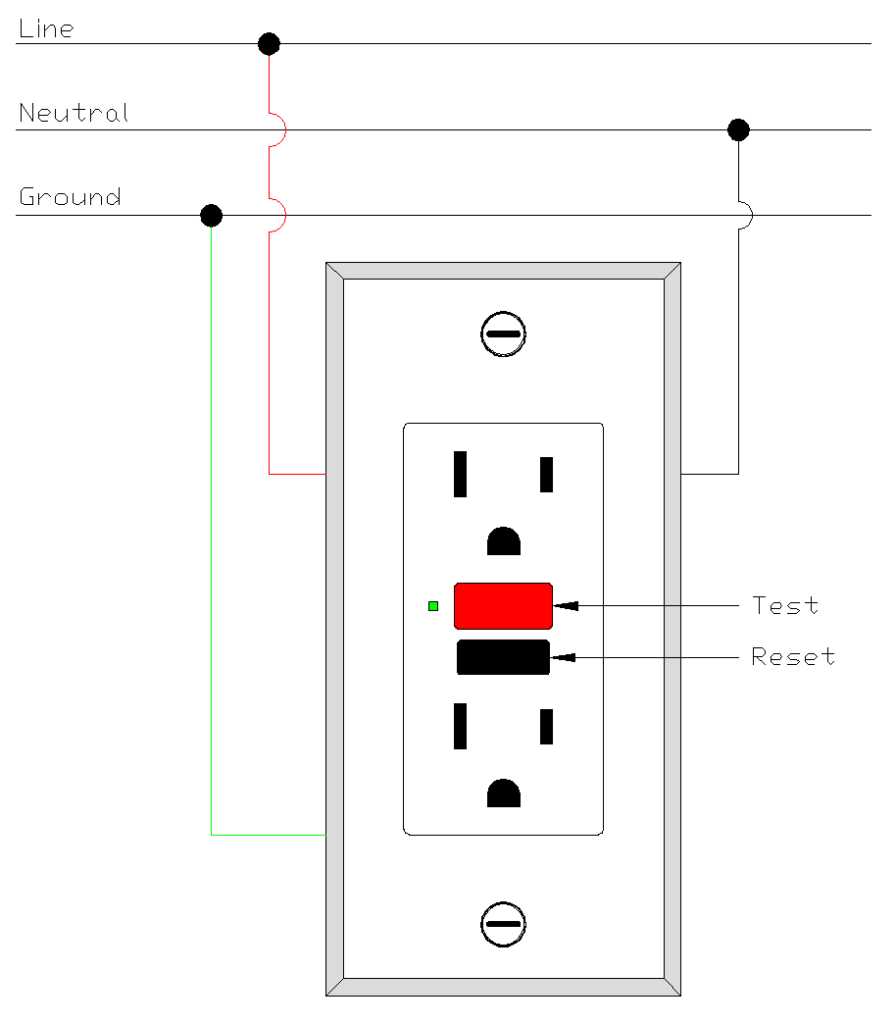
Attach the incoming power conductors to the terminals labeled LINE before connecting any additional branch cables. These terminals receive voltage directly from the service panel. Reversing supply and downstream conductors prevents the protection system from guarding the device and any connected receptacles.
The LINE terminals supply the internal sensing electronics that detect imbalance between phase and neutral current. Connect the phase conductor to the brass screw and the neutral conductor to the silver screw. Tighten each terminal firmly so the copper conductor remains fully secured beneath the clamp.
After the supply conductors are installed, connect additional branch cables to the LOAD terminals if other receptacles should receive ground-fault protection. When the protection mechanism detects leakage current, power disconnects not only at the main device but also at every receptacle fed through these terminals.
Typical downstream connections include:
- Bathroom receptacles located along the same wall
- Kitchen counter receptacles supplied by the same branch circuit
- Outdoor receptacles installed on exterior walls
- Garage receptacles connected to the same breaker
Verify connections after installation by pressing the TEST button. Power should disconnect at the main device and at all receptacles connected through the LOAD terminals. Restore operation by pressing RESET and confirm voltage returns to each downstream receptacle.