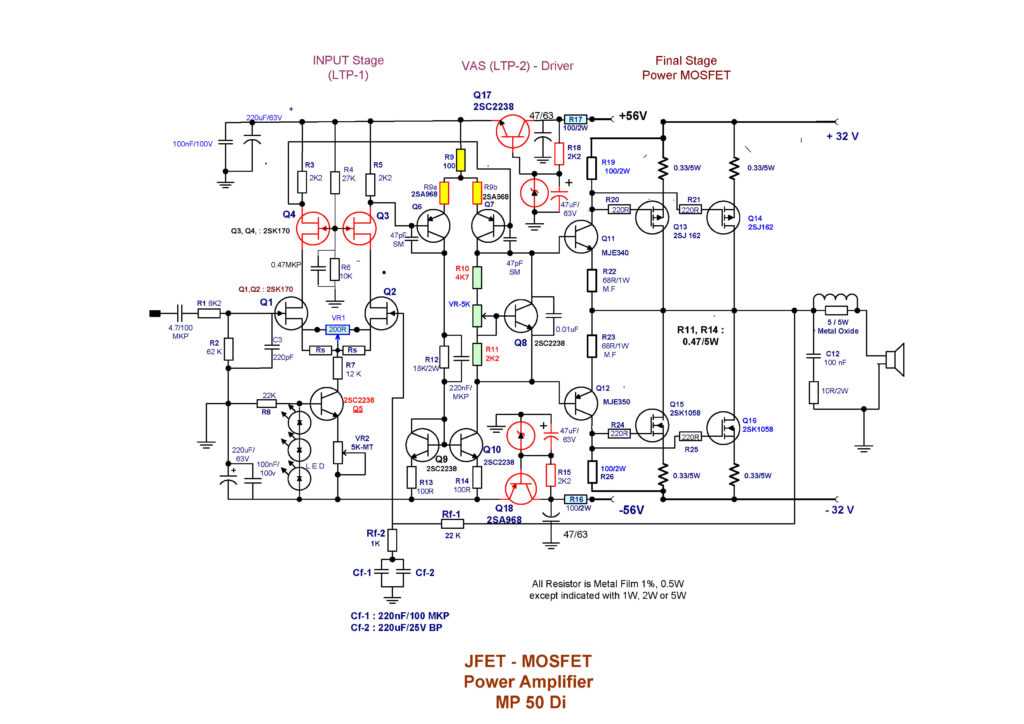
Connect the gate to a stable input source with a series resistor of 1 kΩ to limit current and prevent voltage spikes. Ensure the input voltage does not exceed the transistor’s maximum gate threshold to avoid damage.
Attach the drain to the supply rail through a load resistor matching the desired output swing. A typical value ranges from 4.7 kΩ to 10 kΩ depending on supply voltage and target signal amplitude.
Source should be grounded directly or via a small resistor for biasing. A resistor of 100 Ω to 470 Ω can provide stable self-biasing while minimizing thermal drift in the transistor.
Include coupling capacitors at both input and output to block DC components and preserve the AC signal integrity. Typical values range from 0.1 µF to 10 µF, selected based on the lowest frequency in the signal range.
Verify power ratings of all resistors and ensure the supply voltage remains within the transistor’s operating limits. Using a heat sink or thermal pad may be required for continuous operation at higher currents.
FET Amplification Module Setup with Component Layout and Signal Flow Guide
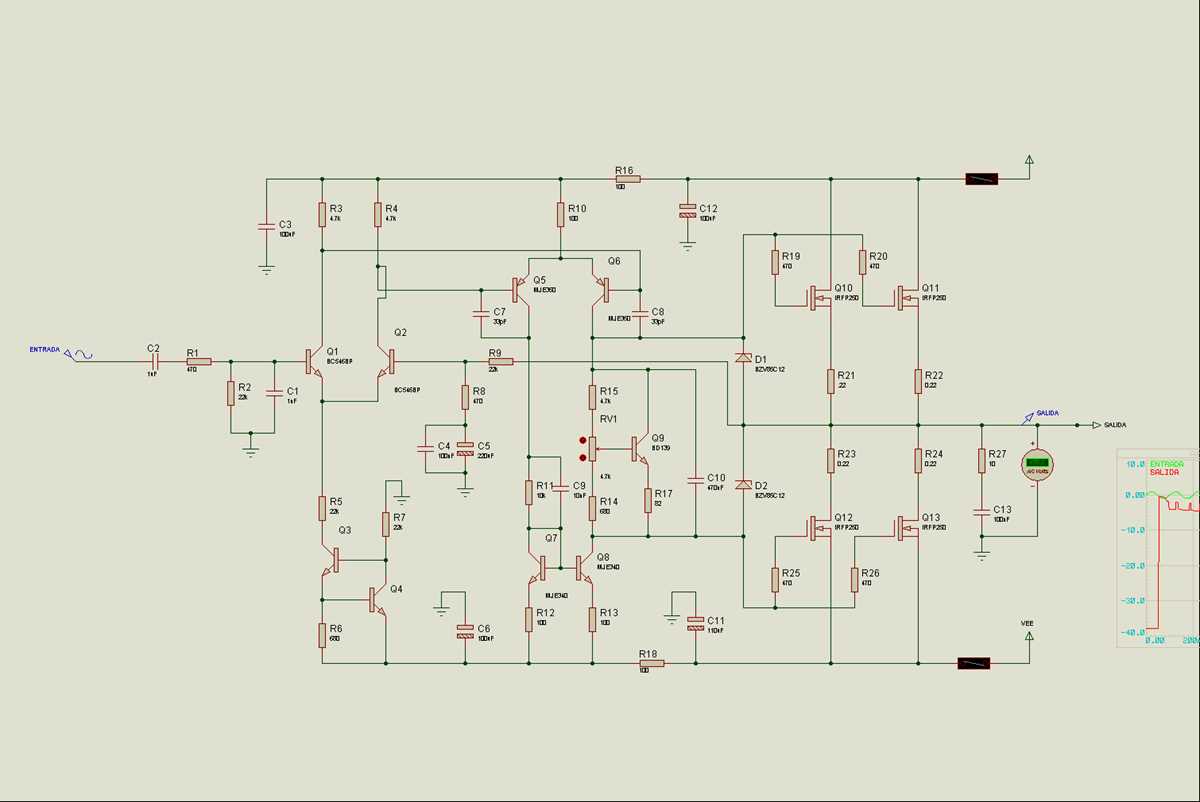
Position the transistor centrally on the board with the gate facing the input source and the drain aligned toward the output load. Place the biasing resistors close to the gate to minimize parasitic capacitance and improve high-frequency response. Use short, direct traces for the signal path to reduce interference and maintain signal integrity.
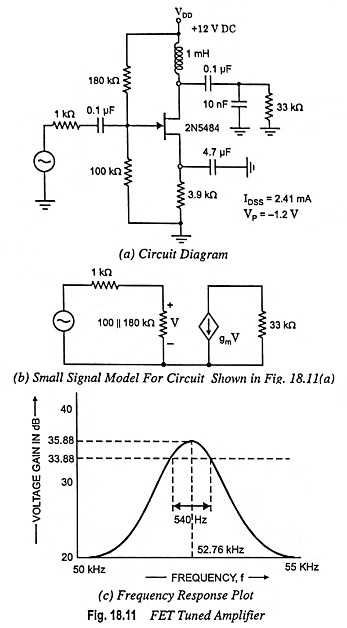
Integrate coupling and bypass capacitors strategically along the input and output lines to block DC offset while stabilizing AC signals. Connect the source to ground through a low-value resistor for controlled self-biasing, and ensure the supply rail connects through a load resistor sized to deliver the desired output swing without exceeding the transistor’s power rating.
Understanding Source Drain and Gate Connections for Signal Control
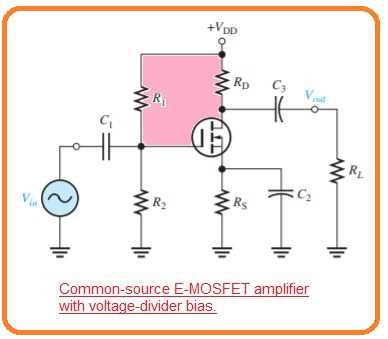
Connect the gate directly to the input signal through a series resistor to control the current flow efficiently. Ensure the source is tied to a stable reference point, typically ground, to maintain predictable modulation and prevent oscillations. Short traces between gate and source reduce parasitic effects that can distort high-frequency signals.
Route the drain toward the load with minimal bends and keep it isolated from sensitive paths. Use a properly sized resistor or active load to set the desired signal swing while avoiding thermal stress. Correct alignment of these three terminals ensures precise signal control and consistent output levels across varying input conditions.