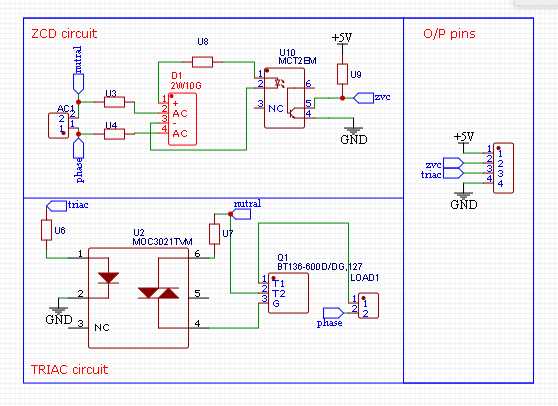
To control the speed of an electric fan, use a system that adjusts the flow of current to the motor. A commonly used method is by incorporating a triac-based controller in the design. This allows you to regulate the power supplied, giving you control over the fan speed.
Start by simplifying the design using a phase control technique. This involves modifying the timing of the power signal to the motor, effectively reducing or increasing the power supplied during each cycle. By doing so, you can adjust the fan’s RPM (revolutions per minute), resulting in a quieter or faster operation as required.
Ensure that all components are correctly sized for the power rating of the motor. Using a high-wattage resistor or a properly rated triac prevents damage to the components and ensures reliable operation. Carefully consider the power requirements to avoid overheating and improve the system’s lifespan.
Fan Regulator System Design
To control the speed of an electric motor, use a phase-cutting method, which involves altering the timing of the voltage applied to the motor. This technique is widely used in speed control applications as it reduces the average voltage reaching the motor, thus controlling its speed effectively.
Use a triac for alternating current applications as it can handle higher power levels and provide reliable switching. A triac allows the system to adjust the power delivered to the motor by controlling when the voltage reaches its peak, which in turn influences the motor’s speed.
Components and Working Principle
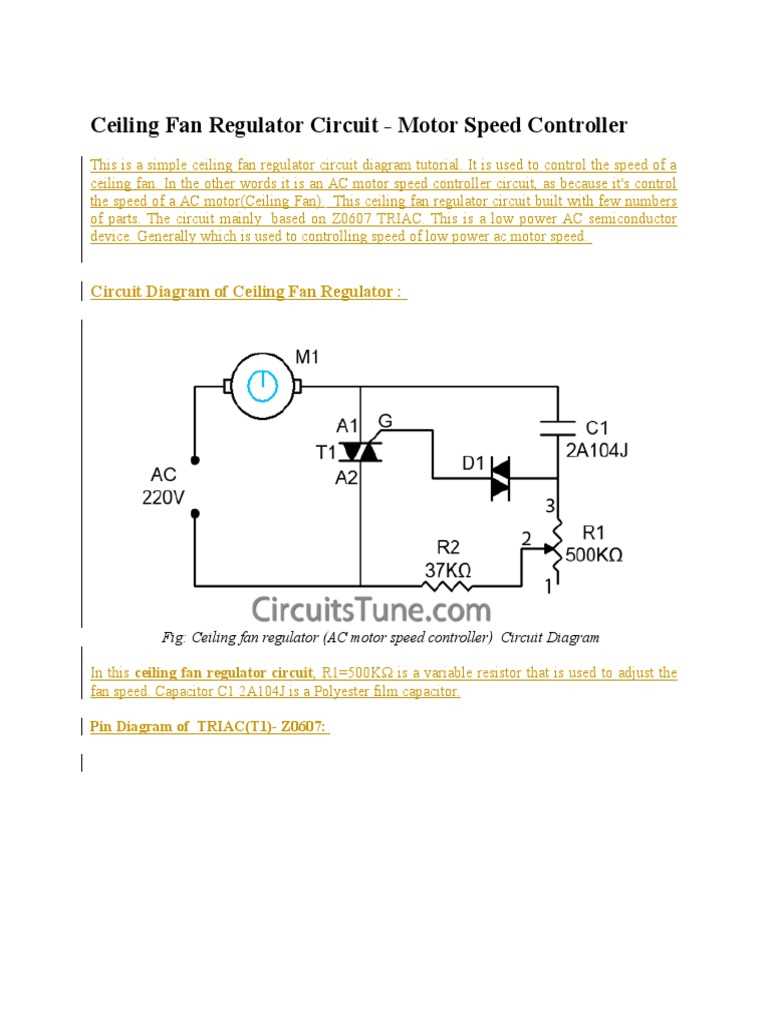
The primary components in this design include a triac, a diode, and a resistor. The triac is the main switching element, while the diode helps with current control. A resistor is often used to limit the current flow through the system and protect components from overcurrent situations. The entire setup functions by triggering the triac at specific intervals during the AC cycle.
The use of a capacitor in conjunction with a resistor can smooth out fluctuations and reduce noise. This setup helps in achieving stable operation by eliminating sharp spikes in voltage that could potentially damage the motor or other parts of the system.
Designing the Control Circuit
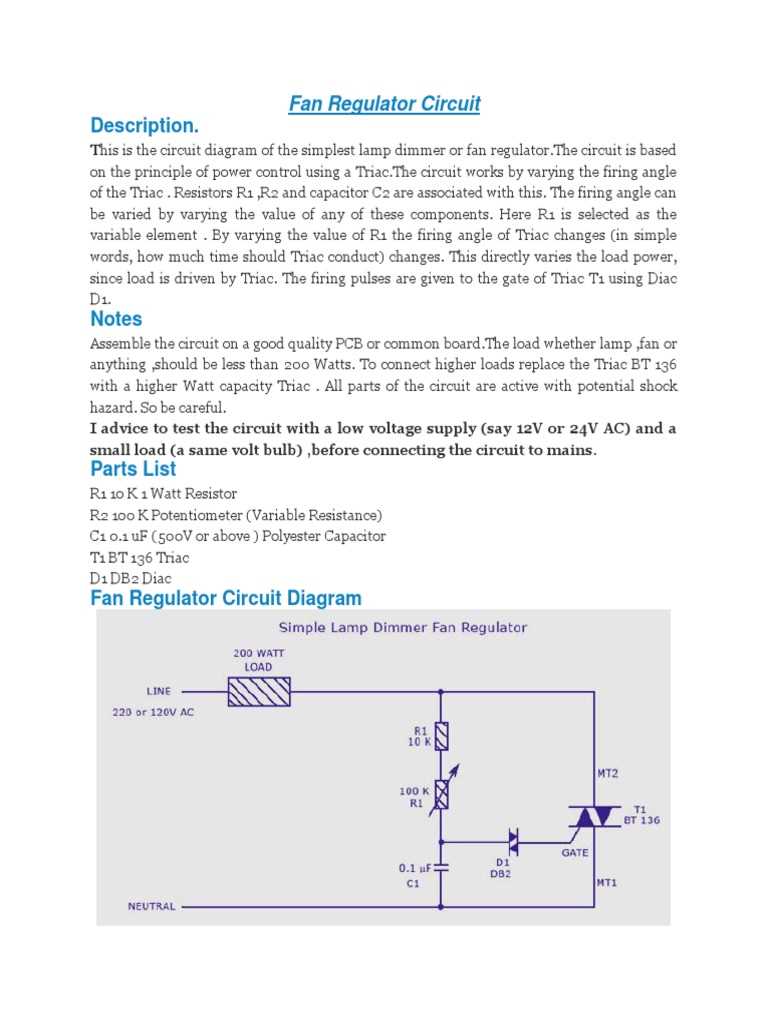
For optimal performance, the control section of the system should incorporate a variable resistor or potentiometer. This allows manual adjustment of the triggering point for the triac, enabling users to control the speed of the motor with ease. As the resistance changes, the timing of the triac’s triggering adjusts, thus controlling the motor’s speed.
Ensure that all components are rated for the specific voltage and current of the motor. Using components with higher ratings than necessary can improve reliability but may increase costs unnecessarily. On the other hand, undersized components could lead to overheating or failure under load.
Finally, when connecting the system to the motor, ensure that the layout minimizes interference from other electrical devices. Proper grounding and shielding are important to prevent electromagnetic interference, which could affect performance. This attention to detail ensures that the system functions smoothly and efficiently over time.
How to Design a Fan Regulator Using Triac and Diac
To create a variable-speed control system, start by using a triac and diac combination for efficient switching. The triac controls the power delivered to the motor, while the diac ensures smooth triggering of the triac by stabilizing the current flow. This combination allows for precise control over the motor speed by modifying the phase angle of the incoming AC power.
Place a resistor in series with the triac to limit the current flow and adjust the sensitivity of the control. This resistor should be chosen based on the desired speed range and the power requirements of the motor. A potentiometer can be used in place of a fixed resistor to offer manual control over the speed adjustment.
The diac helps to maintain stable triggering by preventing the triac from firing until the voltage reaches a specific threshold. This feature ensures that the triac is triggered at the correct time in the AC cycle, improving the accuracy and stability of the speed control. The diac’s role in preventing false triggering is key to maintaining smooth operation.
Ensure the triac and diac are properly rated for the motor’s voltage and current specifications. Using components with higher ratings increases the system’s reliability and longevity. Proper heat dissipation should also be considered, as the triac and diac will generate heat under load. Using heat sinks or cooling fans can help manage this heat and prevent component failure.