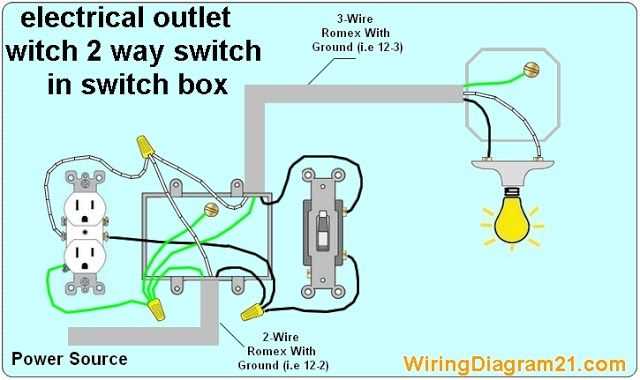
Turn off the breaker supplying the circuit and confirm zero voltage with a tester before touching any conductors. A standard wall power receptacle uses three conductors: line (hot), neutral, and ground. Correct placement on the device terminals prevents overheating, reversed polarity, and equipment damage.
Most residential branch circuits use 14/2 or 12/2 cable containing a black conductor, a white conductor, and a bare copper grounding lead. The black conductor carries the energized line from the panel and attaches to the brass-colored screw on the receptacle. The white conductor returns current to the service panel and connects to the silver terminal. The bare copper wire attaches to the green grounding screw and to the metal box when present.
Correct polarity allows appliances to route current through internal switches and protection components. Reversing the line and neutral conductors can leave energized parts inside connected equipment even while switched off. Use a plug-in tester after installation to confirm proper polarity and grounding.
Secure each conductor under the terminal screw rather than pushing it into back-stab holes, which often loosen after years of use. Tight connections reduce heat buildup and prevent intermittent power at the wall receptacle used by computers, kitchen devices, and lighting equipment.
Electrical Outlet Wiring Diagram With Hot Neutral and Ground Terminal Connections
Connect the energized conductor to the brass screw, attach the return conductor to the silver screw, and fasten the grounding lead to the green terminal. This terminal arrangement keeps polarity correct and allows appliances to route current through internal switches rather than leaving live parts exposed.
Typical residential circuits feeding a wall receptacle use a cable with three conductors. Their functions follow a consistent pattern:
- Black conductor – carries the energized supply from the breaker panel.
- White conductor – returns current back to the panel.
- Bare copper or green wire – provides a grounding path that directs fault current to earth.
Terminal placement on the device follows a clear layout. Brass screws sit on one side of the receptacle body and connect to the energized line. Silver screws sit on the opposite side and receive the neutral conductor. The green screw usually sits at the bottom or on the metal strap and bonds the device to the grounding conductor and metal wall box. If the circuit continues to another receptacle, attach the second cable to the same terminals so power passes through the device.
Check polarity after installation with a plug tester:
- Insert the tester into the receptacle.
- Verify that indicator lights show correct polarity.
- If lights signal reversed conductors, move the black and white wires to their correct terminals.
- Confirm grounding by checking the third indicator light.
Stable terminal contact and correct conductor placement prevent overheating and power interruption.
Hot Neutral and Ground Terminal Identification on a Standard Wall Outlet
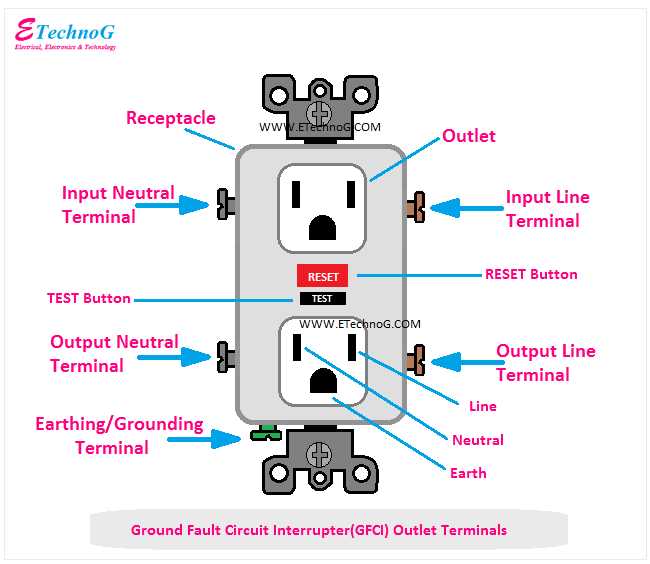
Locate the brass, silver, and green screws on the receptacle body before attaching any conductor. Each terminal corresponds to a specific conductor role, and mixing them changes polarity or removes the safety path designed to carry fault current away from devices.
Identifying the Hot Terminal
The energized conductor attaches to the brass screw. This terminal usually sits on the side where the smaller slot appears on the face of the receptacle. A black or sometimes red insulated conductor typically connects here. Voltage measured between this point and the grounding conductor usually reads around 120 volts in residential systems in North America.
Use a voltage tester to confirm which conductor carries the energized supply before attaching it to the brass terminal. In multi-cable boxes the energized line often enters from the breaker panel while another cable continues to the next receptacle in the circuit.
Identifying the Neutral Terminal
The return conductor attaches to the silver screw located on the opposite side of the device. The white insulated conductor normally performs this role. Current returning from plugged devices flows through this path back to the service panel, completing the circuit loop.
The grounding conductor connects to the green screw attached to the metal strap of the receptacle. This conductor is usually bare copper or green insulation. Its role is to route fault current safely toward the grounding system instead of allowing metal appliance housings to become energized.
Confirm correct terminal placement with a plug tester after installation. Indicator lights reveal reversed polarity, missing grounding connection, or open neutral conditions that prevent safe operation of connected equipment.