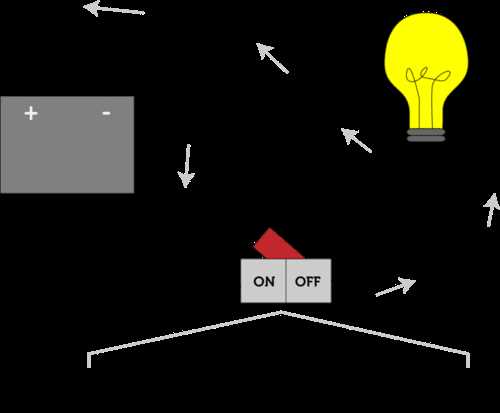
Use standardized graphical symbols to represent power sources, loads, switches, and conductors so the entire connection layout can be interpreted without inspecting the physical installation. A resistor appears as a zigzag line, a switch as a breakable contact, and a power supply as parallel lines with unequal lengths. Following these conventions allows technicians to identify current paths and connection points within seconds.
Place the power source on the left or top side of the schematic and arrange loads toward the right or bottom. This orientation helps readers trace current flow logically from supply through control elements to the load. For example, a 12-volt DC supply feeding a lamp may include a fuse rated 1–2 A, a control switch, and the load symbol connected in series along the same conductor path.
Label nodes and component values directly on the drawing. A resistor might show 220 Ω or 4.7 kΩ, while a capacitor could display 100 µF or 10 nF. These markings remove guesswork during assembly and troubleshooting. Keep conductor crossings clear by using junction dots where conductors join and avoiding ambiguous overlaps.
Check continuity across the drawn connections before building the system. Measuring resistance between nodes with a multimeter confirms that the layout represents a closed current path and prevents misconnection of power lines that could damage components or cause overheating.
Electric Circuit Diagram
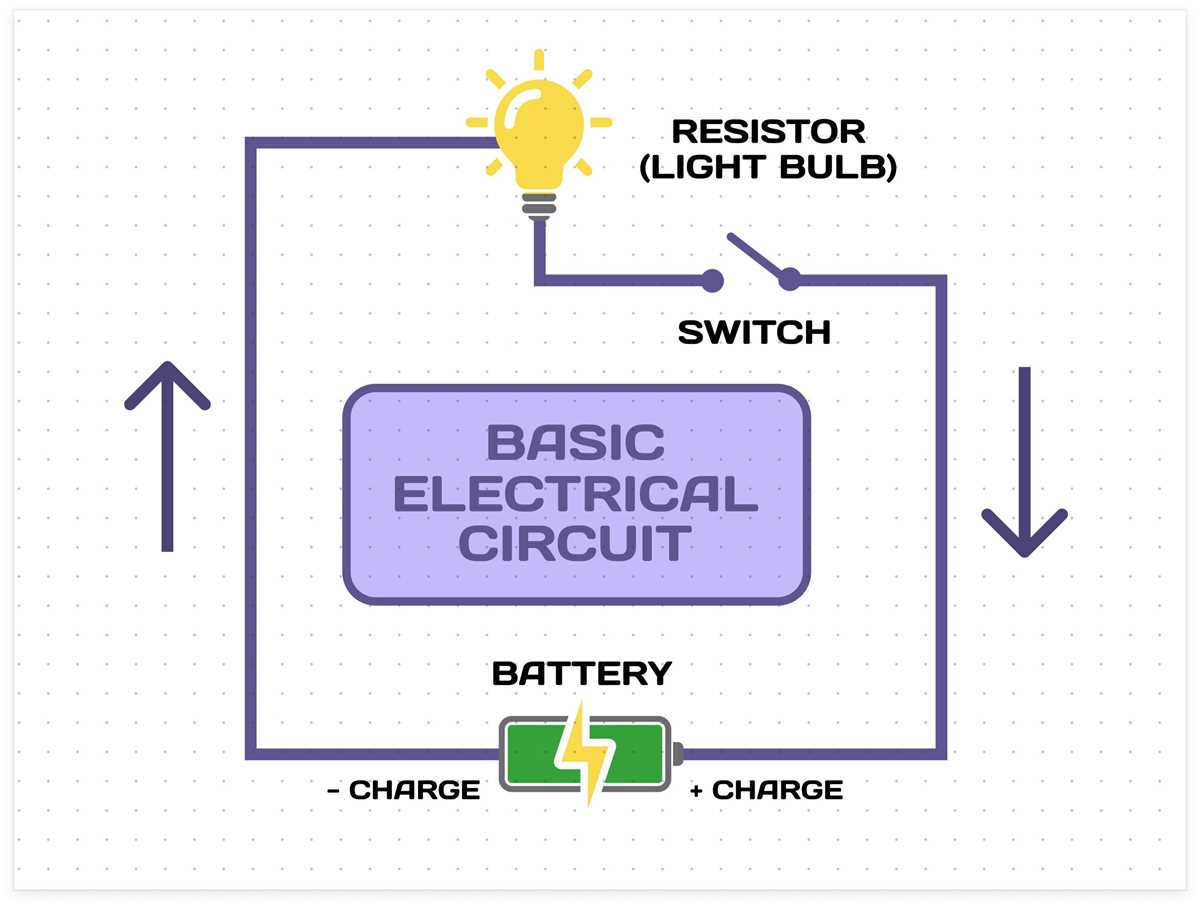
Place the power source symbol at the left side of the schematic and route conductors toward loads on the right. This layout helps readers trace current flow quickly. A DC supply often appears as long and short parallel lines, while an AC source uses a circle with a sine wave mark. Mark the voltage value beside the source, such as 12 V, 24 V, or 230 V, so installers select components with proper ratings.
Standard Symbols and Component Labels
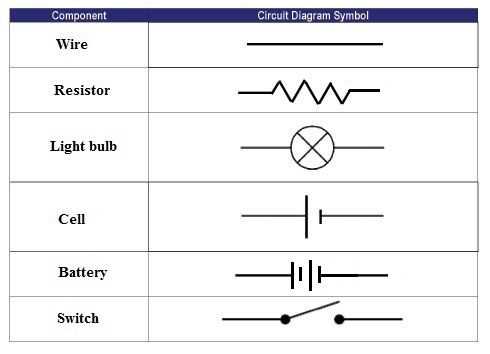
Use recognized graphical marks for components to avoid confusion. A resistor appears as a zigzag line, a capacitor as two parallel plates, and a diode as a triangle pointing to a line. Add numeric values directly beside each element: 1 kΩ, 10 µF, or 0.5 A fuse. These labels guide assembly and troubleshooting without checking external documentation.
Keep conductor intersections clear. When two conductors meet, add a filled node dot that indicates a connection. When lines cross without contact, draw one line jumping over the other. This prevents misinterpretation during maintenance or fault tracing.
Tracing Current Path
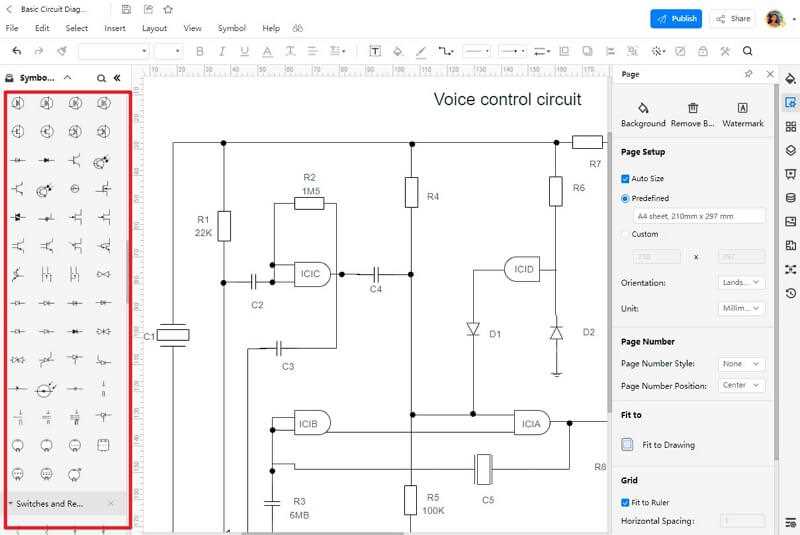
Follow the route from the supply through protection devices, control elements, and finally to the load. For instance, a small lighting system may contain a 2 A fuse, a toggle switch, and a lamp rated 12 W. Each component sits along the same conductor path so current passes sequentially through them.
Separate control and power sections if relays or motor starters appear in the layout. The control coil receives a low-current signal while the contact set handles larger current feeding the load. Distinguishing these sections prevents confusion during installation.
Verify connections with a multimeter before energizing the system. Measuring resistance between nodes confirms continuity and identifies unintended short paths. A reading near 0–0.3 Ω usually indicates a closed path, while an infinite reading signals an open connection.
Reading Electrical Symbols for Resistors Switches Power Sources and Loads
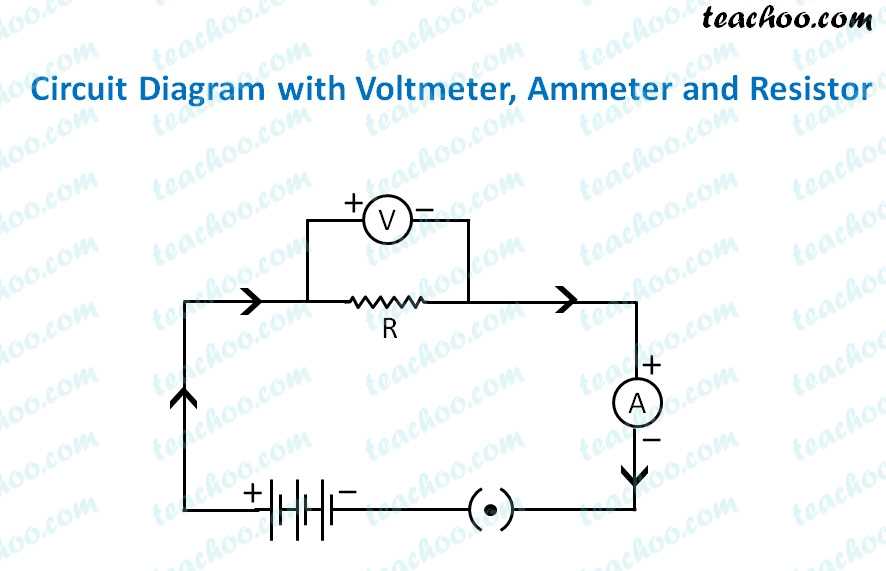
Identify component marks first by locating the supply symbol and tracing the conductor path toward the load. This approach reveals how current moves through each element and helps avoid misreading the schematic. Voltage values such as 5 V, 12 V, or 230 V normally appear next to the supply mark.
Recognize common component graphics used in technical drawings.
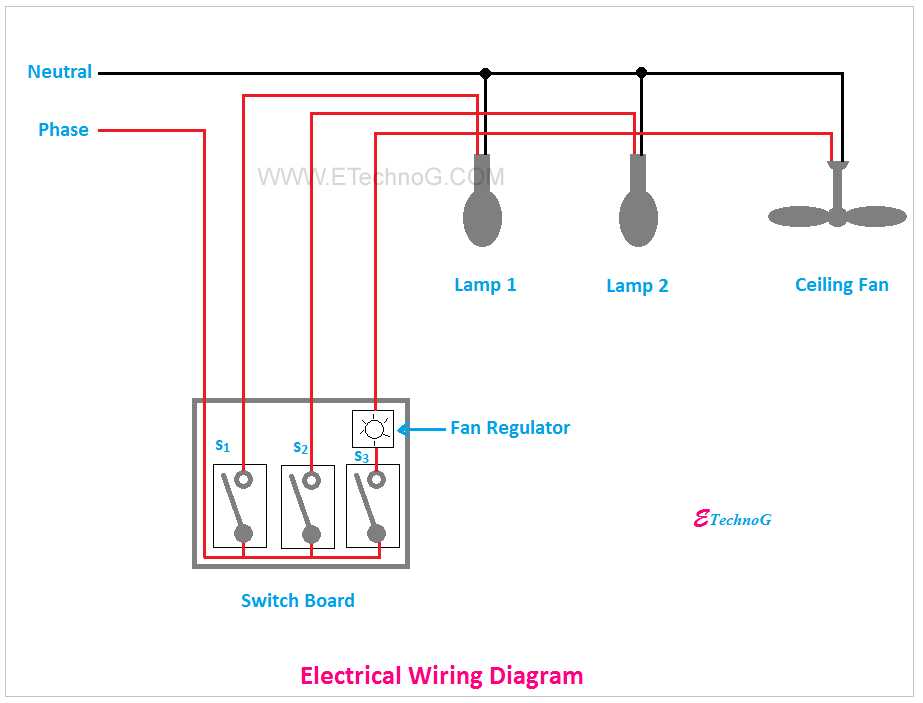
- Resistor – zigzag line or rectangular block with a value such as 220 Ω or 4.7 kΩ
- Switch – break in a conductor with a movable contact indicating open or closed position
- Power source – parallel lines for DC supply or a circle with a sine wave for AC input
- Load device – lamp symbol, motor circle, or rectangular module depending on equipment type
Follow the conductor path step by step.
- Locate the supply mark and note the voltage rating
- Trace the line through protection elements such as a 1–5 A fuse
- Observe control components like push buttons or toggle switches
- Finish at the load symbol such as a lamp rated 12 W or a motor marked 0.5 kW
Check value markings beside each symbol. A resistor labeled 10 kΩ limits current flow, while a capacitor labeled 100 µF stores charge for filtering or timing functions. Clear recognition of these marks allows technicians to assemble hardware and locate faults without examining the physical installation.